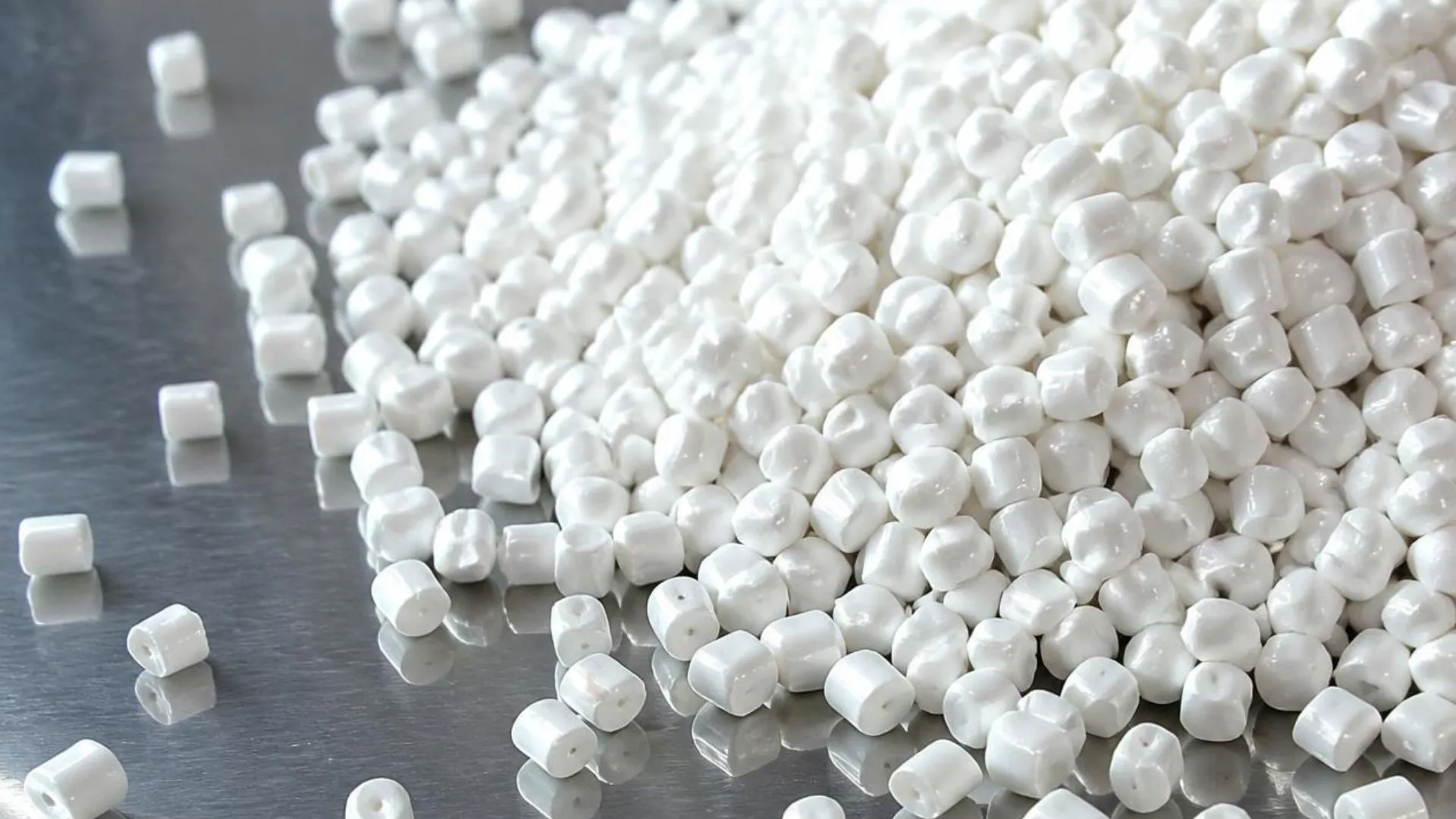

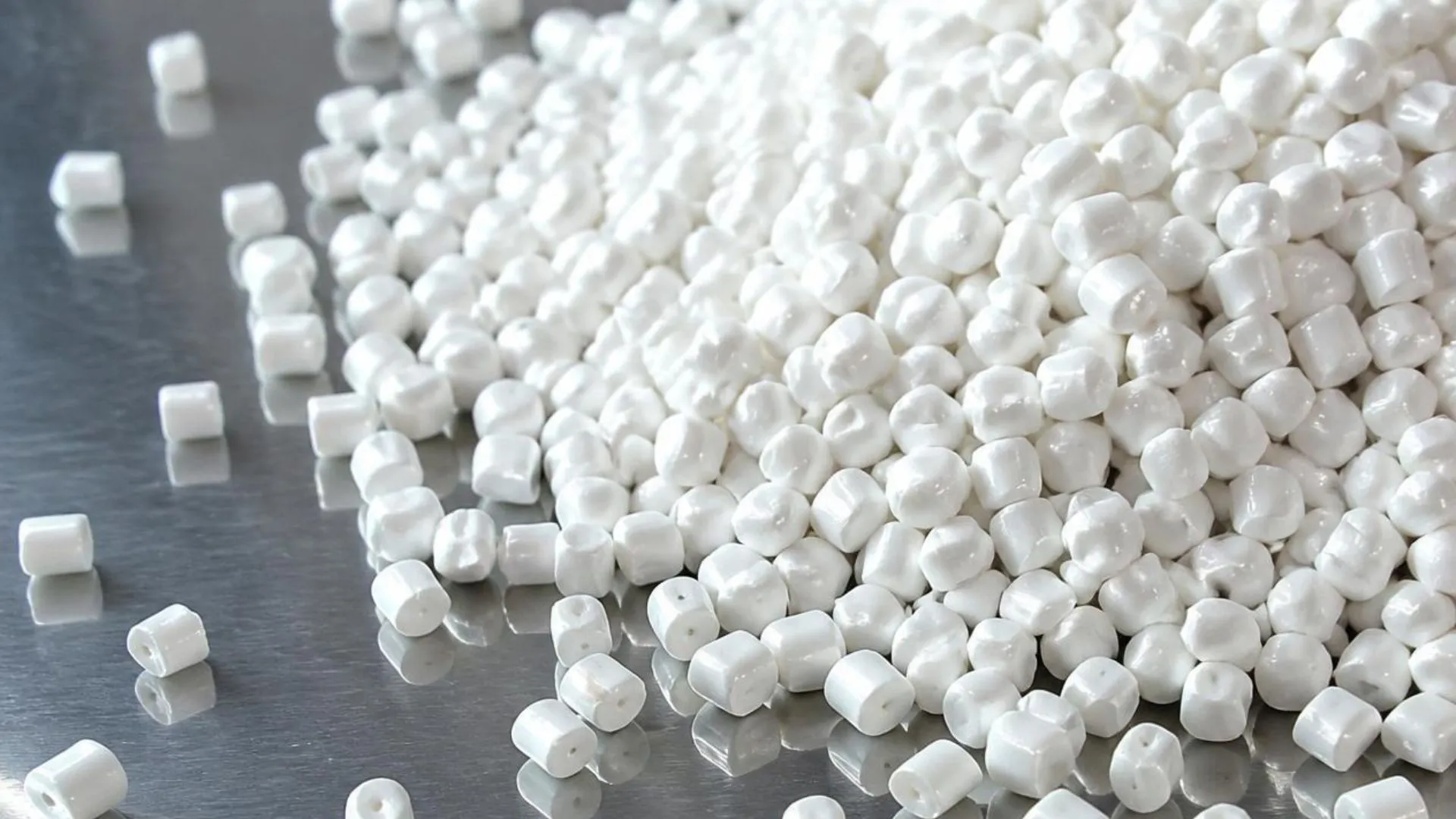
Chlorinated Polyethylene (CPE) is a versatile polymer widely used in wire and cable manufacturing where flexibility, durability, flame resistance, and protection from demanding environmental conditions are important. Its combination of physical and chemical properties makes it suitable for insulation, jacketing, and other cable components.
But why is CPE used in wire and cable applications, and what makes it different from conventional polymers? This guide explains its role, key properties, benefits, and factors to consider when selecting CPE for cable production.
What Is CPE?
Chlorinated Polyethylene is produced by chlorinating polyethylene, which changes the structure and properties of the original polymer. The resulting material offers a useful balance of flexibility, toughness, chemical resistance, and weatherability.
CPE can be formulated with other additives and polymers depending on the performance requirements of the final cable. Different grades can provide different levels of chlorine content, hardness, processing behaviour, and resistance properties.
For wire and cable manufacturers, this flexibility makes CPE useful across applications that require reliable performance under mechanical, thermal, electrical, or environmental stress.
Why Is CPE Used In Wire And Cable Applications?
Wire and cable materials need to do more than simply cover a conductor. Insulation and jacketing materials must withstand heat, moisture, chemicals, abrasion, sunlight, and mechanical movement while maintaining their performance over time.
CPE is valued because it can provide several of these properties within a single material system.
Excellent Weather And UV Resistance
Cables used outdoors can be exposed to sunlight, rain, humidity, and changing temperatures. CPE has good resistance to weathering and UV exposure, helping cable jackets maintain their physical properties for longer periods.
This makes CPE particularly useful for outdoor cables, industrial wiring, and applications where long-term environmental exposure is expected.
Good Oil And Chemical Resistance
Industrial cables may come into contact with oils, fuels, solvents, and other chemicals. CPE offers good resistance to many oils and chemicals, helping reduce deterioration of the cable jacket.
This property is particularly valuable in industrial environments, automotive applications, machinery, and equipment where cables may operate around oils and chemical substances.
Flexibility And Mechanical Strength
Cable jackets need to withstand bending, movement, impact, and abrasion. CPE can offer a useful combination of flexibility and mechanical strength, allowing cables to remain functional under demanding operating conditions.
Its toughness also helps protect the internal conductor and insulation from external mechanical damage.
CPE For Cable Jacketing And Insulation
One of the major applications of CPE is as a jacketing material. The jacket acts as the cable's outer protective layer and shields the internal components from moisture, abrasion, chemicals, and mechanical stress.
CPE can also be incorporated into insulation formulations where its specific properties are required. The exact formulation depends on the cable design, voltage requirements, operating temperature, flexibility, and applicable industry standards.
For this reason, selecting the appropriate CPE grade is important rather than treating all CPE materials as interchangeable.
Key Benefits Of CPE In Wire And Cable Manufacturing
The use of CPE can provide several practical advantages:
- Flame resistance: CPE can contribute to flame-resistant cable formulations and help meet specific fire-performance requirements when properly formulated.
- Weather resistance: It performs well in outdoor environments exposed to sunlight and changing weather conditions.
- Chemical resistance: It provides resistance to a range of oils and chemicals encountered in industrial applications.
- Flexibility: Suitable formulations can maintain flexibility while providing good mechanical protection.
- Abrasion resistance: CPE can help cable jackets withstand repeated mechanical wear.
- Thermal performance: Appropriate grades and formulations can support cable applications exposed to elevated temperatures.
- Electrical performance: When correctly formulated, CPE-based compounds can provide the electrical insulation properties required for particular cable designs.
Factors To Consider When Choosing CPE
Choosing a CPE grade should be based on the complete requirements of the cable rather than one property alone.
Consider factors such as chlorine content, Mooney viscosity, hardness, tensile strength, elongation, thermal stability, processing characteristics, and compatibility with other ingredients in the formulation.
The intended application also matters. An outdoor power cable may have different requirements from an automotive wire, control cable, industrial cable, or flexible cable. Manufacturers should therefore evaluate the grade against the required technical specifications and processing conditions.
Working with experienced CPE manufacturers can also help identify a suitable grade and formulation for the intended application.
Is CPE Suitable For Every Cable Application?
Not necessarily. While CPE offers a broad combination of useful properties, material selection should always depend on the cable's operating environment and performance requirements.
Other elastomers and thermoplastics may be more appropriate when a particular application prioritises properties such as extremely high-temperature performance, very low smoke generation, specialised electrical characteristics, or specific processing requirements.
CPE is best viewed as a versatile material option that can deliver a strong balance of performance when its properties match the application's needs.
Conclusion
CPE has become an important material for wire and cable applications because it combines flexibility, toughness, weather resistance, chemical resistance, and flame-retardant potential. These characteristics make it suitable for cable jacketing and selected insulation formulations across industrial, automotive, outdoor, and electrical applications.
For manufacturers, the key is choosing the right grade and formulation based on operating temperature, environmental exposure, mechanical demands, electrical requirements, and processing conditions. If you are evaluating CPE for wire and cable production, connect with a reliable CPE manufacturer to discuss the appropriate grade and formulation for your application.























Sign in to leave a comment.