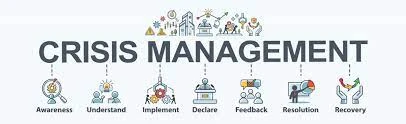

A crisis management plan is critical to your response to a crisis. It should be prepared in advance and can help you deal with potential problems that might arise during an emergency. In this blog, we'll cover all the steps necessary to create a crisis management plan so that you're ready when it comes time for your organization's next big challenge.
Reduce Risk by Making Changes to Practices and Processes
The first step to creating a crisis management plan is to review your existing practices and processes. Regularly reviewing your plan can help you identify areas where there are gaps or weak spots. You may find that you need to make adjustments related to the following:
Risk Assessment - How do the risks in the organization compare with those of other organizations? What can be done to reduce them?
Communications Strategy - What methods will fit best into an emergency? Are there any specific tools that need improvement or training for employees on communicating during an emergency (e.g., text messaging)?
Identify a Crisis That Can Strike Your Organization
The next step in creating a crisis management plan is identifying your organization's potential crises. By doing risk analysis, you can effectively identify crises such as legal issues, natural disasters, product safety issues, cyber-attacks, reputation damage, organization boycotts, extortion attempts, and many more that can threaten your organization. However, you don't need to analyze all the threats, only cover the most potential ones.
How to Identify Risks
Analyze the crises that your competitors have faced.Identify the potential threats to your organization.Analyze the process, system, and structure of your company.Consult an expert (such as a financial advisor or accountant) or ask for feedback from employees who may be aware of the risks they face regularly.Communicate With Staff About the Crisis Management Plan
Communicating with staff is essential in creating and implementing a crisis management plan. Your team needs to be clear on what's expected from them during times of crisis, so they can help ensure that the right thing happens at the right time.
Most importantly, communication should be clear, consistent, and timely. It should also include all staff members (not just senior leadership). The more you can do this upfront; the less confusion will occur when it comes time for action!
Identify Responses
When you've identified potential risks and assessed their possible impact on your business, you and your team can start identifying contingencies that will allow your company to respond effectively. Consider the various steps required to resolve or mitigate each issue, the resources required, and how employees and multiple departments can be involved.
Create the Plan
You can start building the plan when the three initial steps are complete. After identifying potential threats, assessing their impact, and identifying contingencies, you can begin fleshing out the plan in collaboration with key employees.
Share your views and ask those employees for feedback in significant conversations. Listen to everyone's ideas, challenge concepts that need further thought, and work together to determine the best action. If you listen and provide honest and constructive feedback, the plan will come together to deliver the best possible results for all parties involved.
If you are looking for bespoke crisis communication services, check out Seraphim Communications. Seraphim Communications can play an essential role in sustaining your organization's reputation and public image. Seraphim is a reliable strategic and crisis communications firm with solid client relationships and extensive networks in the industry.



























Sign in to leave a comment.