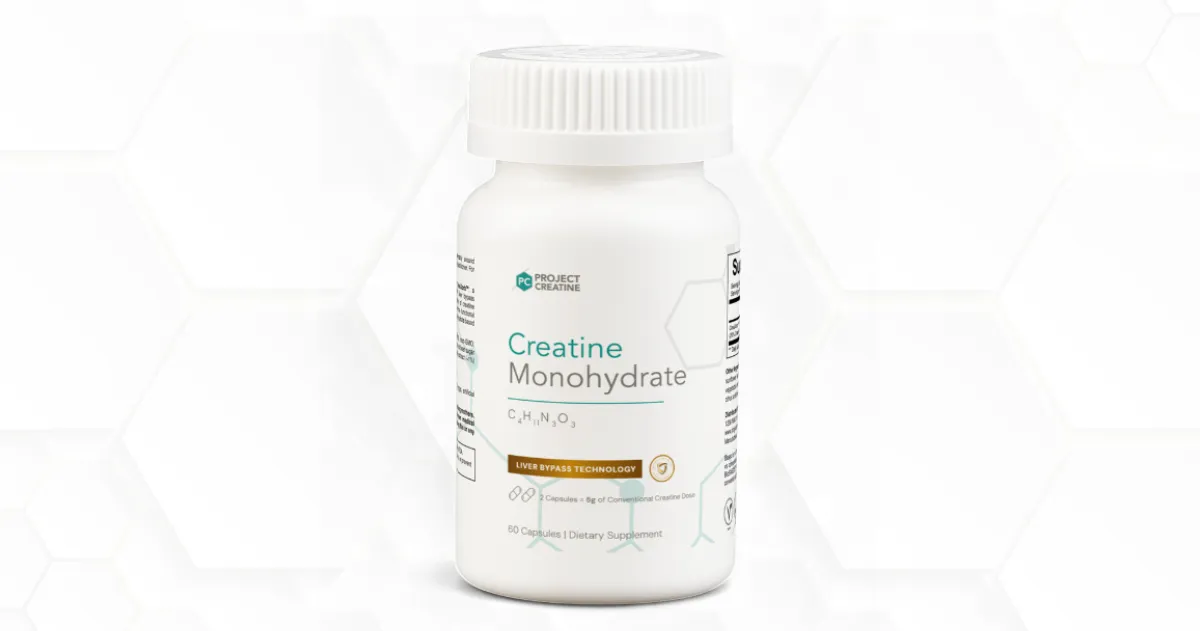

Walk into any gym, scroll through any fitness forum, or ask a trainer what supplement actually works, and one name keeps coming up: creatine monohydrate supplement. Not a fancy blend with ten ingredients you can't pronounce. Just one simple compound that's been studied for decades.
If you've ever wondered why so many people swear by it or what it even does inside your body, this guide breaks it down in plain, simple terms.
What is Creatine Monohydrate?
So, what is creatine monohydrate exactly? It's a natural substance your body already makes, mostly in the liver and kidneys, using amino acids. You also get small amounts from food like red meat and fish. A creatine monohydrate supplement just adds more of this compound so your muscles have extra fuel to work with, especially during short bursts of hard effort like sprinting or lifting weights.
There are other forms out there: creatine HCL, ethyl ester, buffered creatine; but monohydrate remains the most tested and the most trusted. A creatine monohydrate supplement is cheap, it works, and researchers have poked at it from every angle for over 30 years without finding major red flags.
How Creatine Works in the Body
Your muscles run on a molecule called ATP, which is basically their energy currency. During intense activity, ATP gets used up fast. Creatine helps your body regenerate ATP quicker, so you can push out a few more reps or a few extra seconds of effort before your muscles tap out. It also pulls water into muscle cells, which is part of why people notice a slightly fuller look after a few weeks of use.
Benefits of Creatine Monohydrate
Once you start using a creatine monohydrate supplement regularly, the benefits tend to show up in a few different areas of fitness and daily life.
Muscle Strength & Performance
This is the big one. Multiple studies link creatine to noticeable gains in strength and power output, especially for activities like sprinting, jumping, and weightlifting.
Exercise Recovery
Some research suggests creatine may reduce muscle damage and soreness after tough training sessions, helping you bounce back faster for your next workout.
Cognitive or Brain Health
Interestingly, creatine isn't just for muscles. Early research points to possible benefits for mental fatigue and focus, since the brain also uses ATP for energy.
Support for Aging Muscles
As people get older, muscle mass naturally declines. Creatine, especially when paired with resistance training, may help slow this process down.
Who Should Consider Taking Creatine?
Athletes, gym regulars, and anyone doing strength-based training benefit the most from a creatine monohydrate supplement. But it's not just a young athlete's supplement anymore.
Best Creatine for Men Over 40
Muscle loss speeds up after 40, and recovery takes longer too. This is exactly where creatine can pull its weight. When looking at the best creatine for men over 40, the priority isn't a flashy label; it's purity, third-party testing, and a dosage that matches your training routine.
A clean, well-tested product paired with regular resistance exercise tends to offer the most noticeable support for maintaining strength as the years add up.
How to Use Creatine Monohydrate (Dosage Guide)
Getting the dosage right matters just as much as picking a good product, so here's how most people approach it.
Standard Daily Dosage
Most research points to 3–5 grams of a creatine monohydrate supplement per day as the sweet spot for regular use.
Loading Phase vs. No Loading Phase
Some people start with a "loading phase" to saturate their muscles faster, while others skip straight to the maintenance dose. Both paths get you to the same place; one is just quicker.
| Method | Dosage | Duration |
| Loading phase | 20g/day (split doses) | 5–7 days |
| Maintenance | 3–5g/day | Ongoing |
| No-loading approach | 3–5g/day from day | Ongoing |
Best Time to Take Creatine
Timing matters less than consistency. Some people prefer taking it after workouts, believing the body absorbs it better alongside food, but taking it at any point in the day still works if you stay consistent.
Choosing the Right Creatine Supplement
With so many options on the shelf, picking a creatine monohydrate supplement can feel overwhelming at first. A few simple checks make the decision much easier.
Best Creatine Monohydrate Capsules
If mixing powder into water isn't your thing, the best creatine monohydrate capsules come up as a no-fuss alternative. They skip the chalky taste, make dosing more precise, and travel well if you're often on the move. Just check that the capsule count lines up with your daily gram target so you're not overpaying for a smaller dose.
Best Creatine Monohydrate Brands
Not all products are created equal. Among the best creatine monohydrate brands, look for ones using Creapure®-certified creatine, which is known for its purity, along with third-party lab testing that confirms what's on the label actually matches what's in the tub. Customer reviews and manufacturing transparency are also worth a quick check before you buy.
Safety, Side Effects & Precautions
Creatine has a long safety record when taken at recommended doses. In fact, a creatine monohydrate supplement is considered one of the more well-studied supplements available today. Common worries (like kidney damage) mostly come from outdated myths rather than solid evidence in healthy adults. Some people experience mild bloating or stomach discomfort, which usually settles once the body adjusts. Still, anyone with existing kidney issues, or who is pregnant or breastfeeding, should check with a doctor first.
Summing Up,
At the end of the day, a creatine monohydrate supplement is one of the simplest, most researched tools you can add to a fitness routine, whether you're chasing bigger lifts, faster recovery, or just trying to hold onto muscle as you age. The science backs it, the safety record is solid, and the cost won't break the bank.
Before you start, though, it's worth a quick chat with your doctor or a dietitian, especially if you have any existing health conditions. Once you're cleared, pick a trusted brand, stick to the recommended dose, and give it a few weeks to work its magic.
FAQs
Is creatine monohydrate safe for daily long-term use?
Yes, for most healthy adults. Long-term studies haven't shown major safety concerns at standard doses.
Does creatine cause weight gain?
It can cause a small increase in water weight inside muscle cells, not fat gain.
Can women take creatine monohydrate?
Absolutely. It works the same way in women's bodies and shows similar strength and recovery benefits.
How long does it take to see results?
Usually 2–4 weeks with consistent use and regular training.
Should I cycle off creatine?
Not necessary. Most research supports continuous daily use without breaks.




















Sign in to leave a comment.