

Creatine is often associated with gym workouts, muscle growth, and athletic performance. But its use is not limited to athletes. More women are now looking into creatine as part of a regular fitness and wellness routine, especially as research continues to explore its role in muscle strength, exercise performance, and healthy aging.
But with so many products available, choosing the right one can feel confusing. So, what is the best creatine supplement for women? The answer depends less on flashy product claims and more on the type of creatine, serving size, quality, and how well the supplement fits your routine.
What Is Creatine?
Creatine is a naturally occurring compound found mainly in muscle tissue. The body makes creatine on its own, and it can also be obtained through foods such as meat and fish.
One of its main roles is helping the body produce energy during short, high-intensity activities. This is why creatine has been widely studied in areas such as resistance training, strength, and exercise performance.
Women naturally have creatine stores too. However, factors such as diet, physical activity, age, and body composition can influence creatine levels and how much someone may benefit from supplementation.
What Makes a Good Creatine Supplement for Women?
There is no special type of creatine that is exclusively designed for women. In most cases, the same well-studied forms used by men can also be considered by women.
When comparing products, look for a supplement that provides:
- A clearly stated form of creatine
- A transparent serving size
- Reliable quality and testing
- Minimal unnecessary ingredients
- A dosage that is practical for regular use
For most people, creatine monohydrate is the form with the strongest research background. It has been studied for decades and remains a common choice for people who want to supplement their daily creatine intake.
Is Creatine Safe for Women?
A common question is whether creatine is safe for women. Research to date generally supports creatine supplementation as well tolerated when used appropriately in healthy adults.
Some people may notice a small increase in body weight when starting creatine. This can be related to increased water stored within muscle rather than an increase in body fat.
As with any supplement, individual circumstances matter. Women who are pregnant, breastfeeding, have a medical condition, or take medications should speak with a qualified healthcare professional before starting supplementation.
Creatine for Women Over 40
Creatine can also be relevant for women as they get older. Maintaining muscle strength and lean mass becomes increasingly important with age, particularly when combined with regular resistance training.
Research on creatine for women over 40 is growing, with studies examining areas such as muscle function, strength, body composition, and exercise responses. Creatine should not be viewed as a replacement for exercise or a balanced diet, but it may be one part of a broader approach to maintaining physical function.
For women in this age group, resistance training, adequate protein, sleep, and overall nutrition remain important foundations.
Is Creatine Monohydrate the Best Choice?
If you're comparing different forms of creatine, monohydrate is a practical place to start because of its extensive research history, availability, and relatively straightforward formulation.
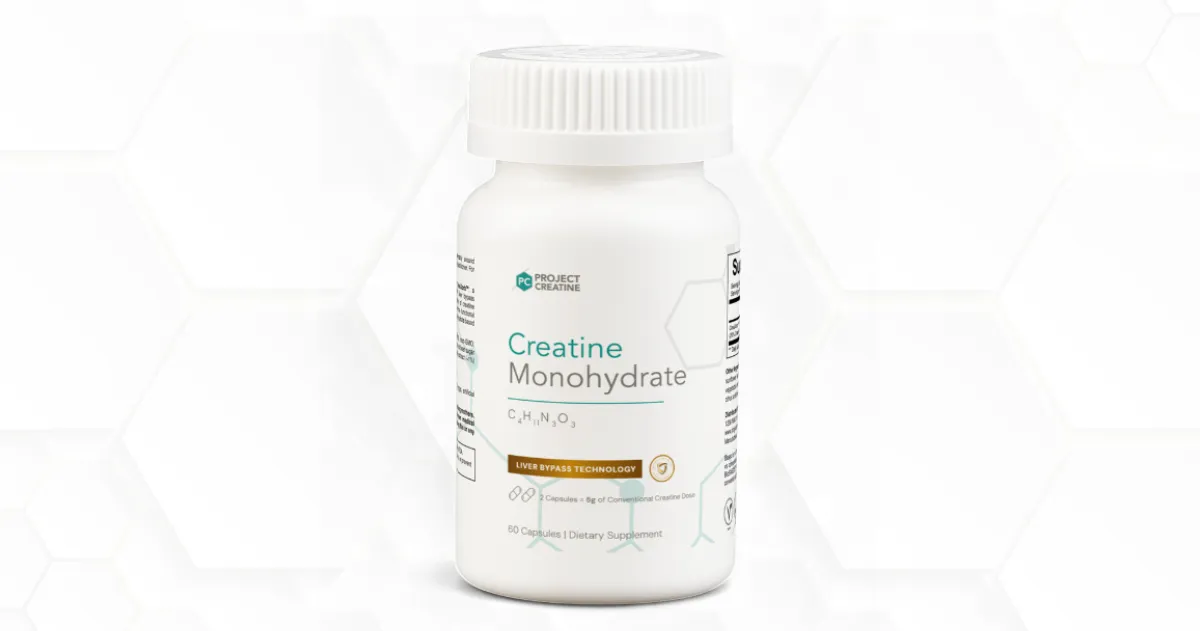
Some products come as powders, while others are available as creatine monohydrate capsules. The choice between the two is mostly about personal preference and convenience.
Capsules may be useful for people who don't want to mix powder into a drink or prefer a pre-measured serving. Powder, on the other hand, can make it easier to adjust the amount when needed.
The important thing is to look beyond the format and check how much actual creatine the product provides per serving.
Should You Take Creatine Before or After a Workout?
Another common question is creatine before or after workout—which is better?
Creatine does not work like a pre-workout stimulant that needs to be taken immediately before exercise. Its effects are associated with gradually increasing and maintaining creatine stores in the muscles.
For this reason, taking creatine consistently each day is generally more important than focusing too much on the exact timing.
Some people prefer taking it after a workout with a meal or shake, while others take it before exercising or at another convenient time. The best timing is often the one that makes it easier to stay consistent.
How Much Creatine Should Women Take?
A commonly studied daily amount for creatine supplementation is around 3–5 grams per day. However, individual needs can vary depending on the product, diet, training routine, and personal circumstances.
A loading phase is not required for everyone. Taking a regular daily serving can gradually increase muscle creatine stores over time.
Always check the serving information on the specific product rather than assuming that every creatine supplement contains the same amount.
What Should You Look for When Choosing a Supplement?
When shopping for creatine, don't feel pressured to choose a product simply because it is marketed specifically toward women.
Instead, consider:
1. The form of creatine:
Creatine monohydrate has a substantial research base.
2. The amount per serving:
Check how much creatine you are actually getting.
3. Ingredient transparency:
A straightforward ingredient list can make it easier to understand what you're taking.
4. Quality and testing:
Look for products from manufacturers that follow appropriate quality-control and testing practices.
5. Convenience:
Choose a format you can realistically use consistently, whether that is powder or capsules.
The Bottom Line
The best creatine supplement for women is not necessarily the one with the most complicated formula or the biggest marketing claims. A well-formulated product with a clearly stated creatine content, reliable quality, and a format that fits your lifestyle can be a sensible choice.
For many women, creatine monohydrate remains a straightforward option because it has been extensively studied. Whether you're training regularly, looking to support strength as you age, or simply exploring creatine for the first time, consistency and overall lifestyle habits matter more than chasing perfect timing or a trendy formula.
Before starting any supplement, consider your individual health needs and speak with a healthcare professional if you have questions about whether creatine is appropriate for you.






















Sign in to leave a comment.