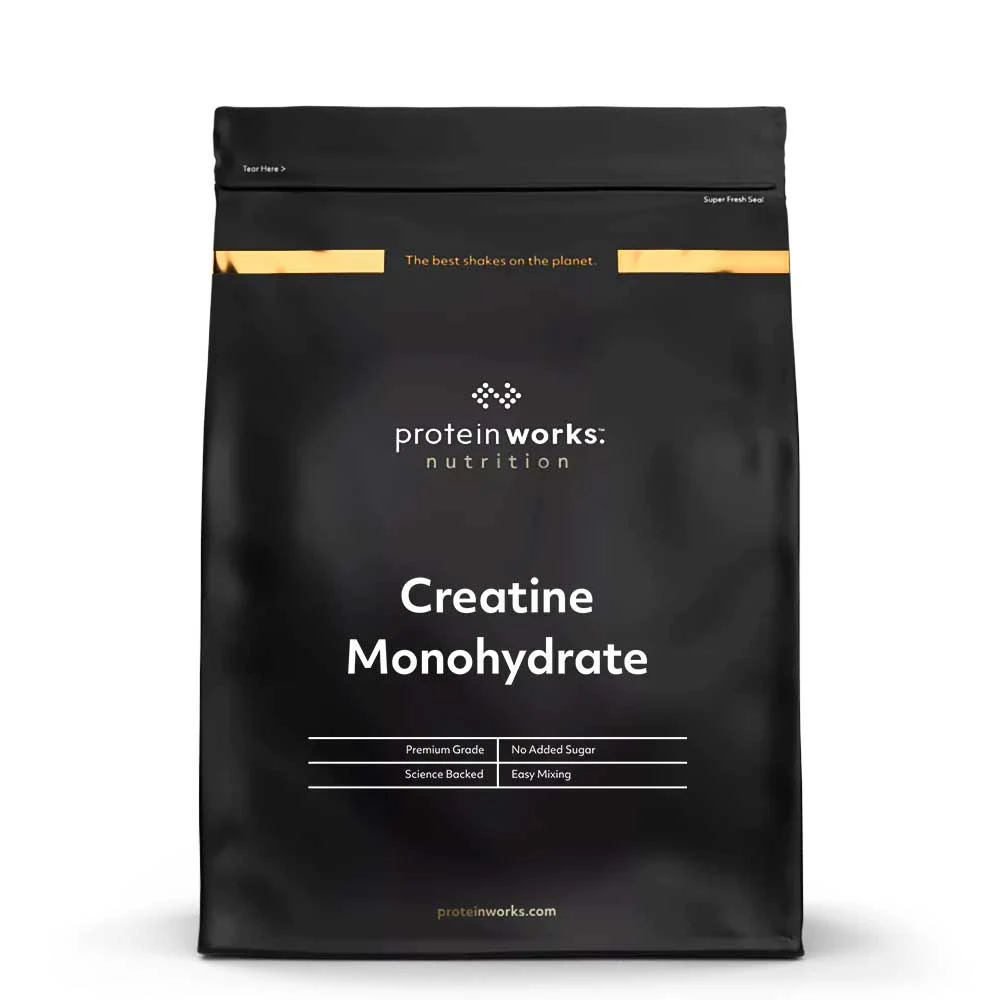

Creatine often hailed as a powerhouse in the world of fitness and bodybuilding, is indeed more than just a muscle enhancer. While it is true that creatine has gained notoriety for its ability to boost athletic performance and increase muscle mass, its potential extends far beyond the gym. This naturally occurring compound, found in small quantities in various foods and synthesized by the human body, has sparked the interest of researchers and health enthusiasts for its diverse range of benefits.
Creatine and Muscle Power
Before diving into the multifaceted world of creatine, it's essential to acknowledge its most renowned attribute: enhancing muscle performance. Creatine works by increasing the body's supply of adenosine triphosphate (ATP), the primary energy currency for muscle contractions. This boost in ATP availability enables athletes and fitness enthusiasts to push their limits, lift heavier weights, and sprint faster. It's no wonder that creatine is a staple in many athletes' supplement regimens.
Cognitive Advantages of Creatine
Beyond its influence on physical strength, creatine has been making waves in the realm of cognitive health. Recent studies have uncovered a connection between creatine supplementation and improved cognitive function. The brain, much like muscles, requires energy to function optimally. Creatine, with its ATP-boosting abilities, has shown promise in enhancing mental performance. Research suggests that it may benefit memory, attention, and overall cognitive processing speed. While more research is needed in this area, the potential for creatine as a mental enhancer is undoubtedly intriguing.
Neurological Disorders and Creatine
The implications of creatine in the realm of neurology extend even further. It has garnered attention for its possible role in the treatment of various neurological disorders. One such condition is amyotrophic lateral sclerosis (ALS), also known as Lou Gehrig's disease. Studies have shown that creatine might slow the progression of this devastating disease, providing hope to those affected by it. Additionally, creatine's potential in treating depression and bipolar disorder is currently under investigation. It's apparent that the applications of creatine are not limited to muscle-centric pursuits but are indeed wide-ranging and diverse.
Cardiovascular Health
Maintaining a healthy heart is a fundamental aspect of overall well-being. Recent research has unveiled creatine's potential to support cardiovascular health. Some studies suggest that creatine may help lower blood pressure, making it a promising addition to the arsenal against hypertension, a major risk factor for heart disease. Additionally, creatine has shown antioxidant properties, which can help reduce oxidative stress in the body, further benefiting heart health.
Metabolic Benefits
Weight management and metabolic health are ongoing concerns for many individuals. Creatine's role in enhancing muscle mass and metabolism is well-established. Increased muscle mass contributes to a higher resting metabolic rate, which, in turn, aids in burning more calories. For those looking to manage their weight or boost their metabolic health, creatine can be a valuable ally.
Aging Gracefully with Creatine
As we age, the body undergoes a natural decline in muscle mass and overall strength. This process, known as sarcopenia, can lead to frailty and a reduced quality of life. Creatine supplementation may help combat this age-related muscle loss, potentially assisting in maintaining independence and vitality in the later years of life.
Creatine and Vegans/Vegetarians
Creatine is primarily found in animal products like meat and fish, which poses a challenge for vegans and vegetarians who may not consume these sources. In such cases, creatine supplementation can be especially beneficial, as it helps bridge the dietary gap and ensures that these individuals receive the benefits that creatine offers.
Safe and Well-Tolerated
One of the most remarkable aspects of creatine is its safety profile. Extensively studied and utilized for several decades, creatine is considered safe for most individuals when taken within recommended doses. Side effects are generally mild and can include gastrointestinal discomfort or water retention. However, these effects are not severe and often diminish with time. It's essential to consult with a healthcare professional before starting any new supplement regimen, especially if you have underlying medical conditions.
Conclusion
Creatine is far more than just a muscle enhancer. While its role in boosting physical performance and muscle growth is well-documented, its diverse array of potential benefits spans cognitive enhancement, neurological disease treatment, cardiovascular support, and metabolic health. Creatine is a valuable ally in the quest for overall well-being, providing a holistic approach to health and vitality. Whether you're an athlete looking to maximize your physical performance or an individual striving for a healthier, more vibrant life, creatine has something to offer. As always, it's crucial to approach any supplement with care and consult with a healthcare professional to determine the best approach for your unique needs.



























Sign in to leave a comment.