
If you’ve recently started going to the gym, you’ve probably noticed that creatine and protein come up in conversations all the time. Both are popular in the fitness world, but they aren’t the same thing and they don’t serve the same purpose.
This can get confusing, especially when you’re trying to figure out which supplements actually make sense for your routine.
The simplest way to understand it is this: protein is a nutrient your body needs, while creatine is a compound involved in energy production.
What Does Protein Do?
Protein is one of the three major macronutrients, along with carbohydrates and fats. Your body uses the amino acids from protein for many different functions, including maintaining and repairing muscle tissue.
If you're working out regularly, getting enough protein through foods such as eggs, dairy, meat, fish, legumes, and other protein-rich foods can be an important part of your diet.
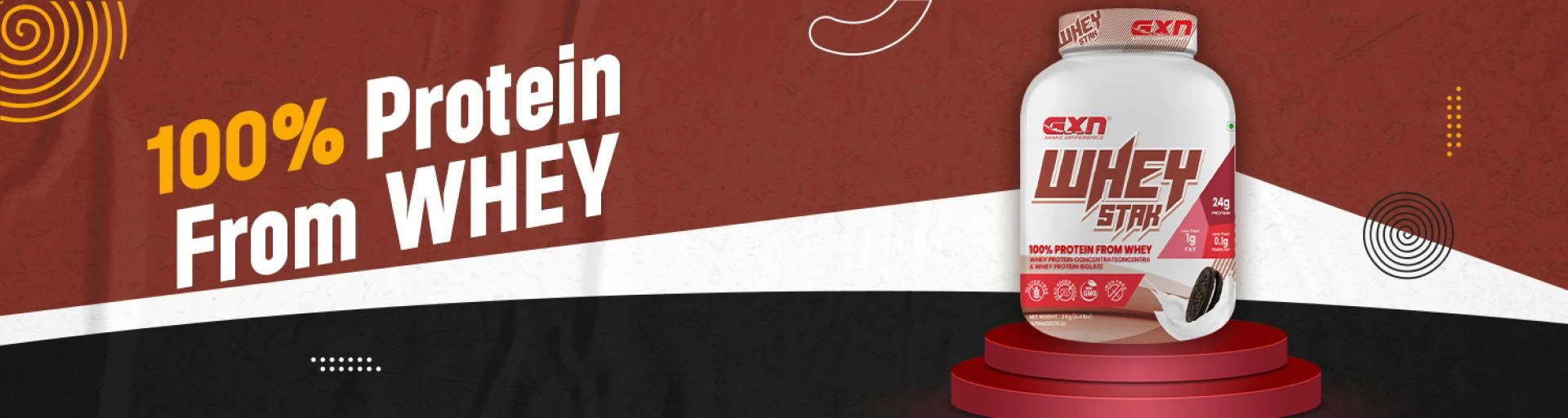
Protein supplements can also be convenient when you're struggling to meet your daily protein needs through food alone.
So, What Does Creatine Do?
Creatine works differently. Your body naturally produces creatine, and it is also found in certain foods. Most of the creatine in your body is stored in your muscles.
It plays a role in producing energy during short, intense activities. This is one reason creatine is so popular among people who lift weights, sprint, or participate in other high-intensity forms of exercise.
Rather than thinking of creatine as another form of protein, it's better to understand that it supports a different part of your fitness routine.
Can You Take Creatine and Protein Together?
Yes, creatine and protein don't need to be treated as competing supplements. Since they have different roles, some people include both in their overall nutrition plan.
For example, someone who regularly strength trains might focus on getting enough protein through their diet while also using creatine as part of their supplementation routine.
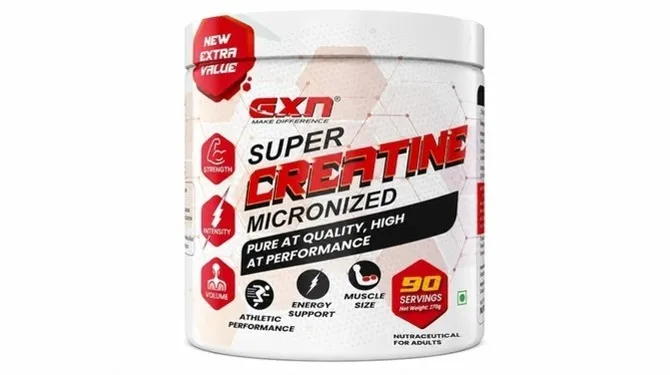
If you're looking for a straightforward option, creatine monohydrate powder can be incorporated into your daily routine alongside a balanced diet.
The important thing is to first look at your overall nutrition rather than assuming you need every supplement available.
What About “Creatine Protein”?
You may have come across the term creatine protein while searching for fitness supplements. It can be confusing because creatine and protein are separate things.
If you're choosing supplements, pay attention to what the product actually contains and what you're trying to achieve. A protein product is generally intended to help you increase your protein intake, while creatine is used for a different purpose related to the body's energy system.
Understanding the difference makes it easier to choose products based on your actual needs instead of simply following what's trending.
Which One Should You Take?
There's no universal answer.
If your diet is already providing enough protein, you may not need a protein supplement. Similarly, whether creatine makes sense depends on your training, goals, and individual circumstances.
For people interested in creatine, GXN Super Creatine Monohydrate Powder is one option to consider when looking for a simple creatine monohydrate product.
Before adding supplements, it's worth getting the basics right first: eat a balanced diet, train consistently, stay hydrated, and get enough sleep.
Final Thoughts
Creatine and protein are often mentioned together, but they're not interchangeable. Protein provides amino acids that your body needs for various functions, while creatine plays a role in energy production during high-intensity activity.
Understanding this difference can help you make smarter decisions about your supplement routine.
Instead of asking whether creatine or protein is "better," think about what your diet and training routine are actually missing. Once you have that figured out, supplementation becomes much simpler.





























Sign in to leave a comment.