
A traumatic brain injury (TBI) can be a life-altering event, not only for the person who experiences it but also for their family and loved ones. The journey to recovery can be challenging and requires a multi-faceted approach that includes medical care, therapy, and, perhaps most importantly, a safe and supportive home environment.
There are several critical aspects to creating a home environment that promotes the well-being and rehabilitation of TBI patients. From adapting living spaces to establishing daily routines, you can take multiple steps to bring a significant difference in the recovery process.
Here’s everything you need to know about creating the perfect home environment for TBI patients.
Understanding Traumatic Brain Injury
Before diving into the details of creating a supportive home environment, it's essential to understand what TBI entails. A traumatic brain injury occurs when a sudden trauma or external force causes damage to the brain. This can result from a variety of incidents, such as falls, car accidents, sports injuries, or violence.
TBI symptoms can vary widely, ranging from mild to severe, including cognitive, emotional, and physical impairments. In many cases, the effects of TBI are long-lasting, making the rehabilitation process crucial for regaining a high quality of life.
Here’s how you can go about that process.
Safety First: Home Modifications
TBI patients' safety is the top priority when adapting to your home. Here are some essential modifications to consider:
Fall Prevention
Install handrails on staircases and in the bathroom. Secure rugs with non-slip mats and ensure no tripping hazards like loose cords or clutter.
Lighting
Adequate lighting is essential to prevent accidents. Install bright, energy-efficient LED lights throughout the house, especially in hallways, stairs, and the kitchen.
Bathroom Accessibility
Consider installing grab bars in the shower and near the toilet. A shower bench and handheld showerhead can make bathing more accessible.
Kitchen Adaptations
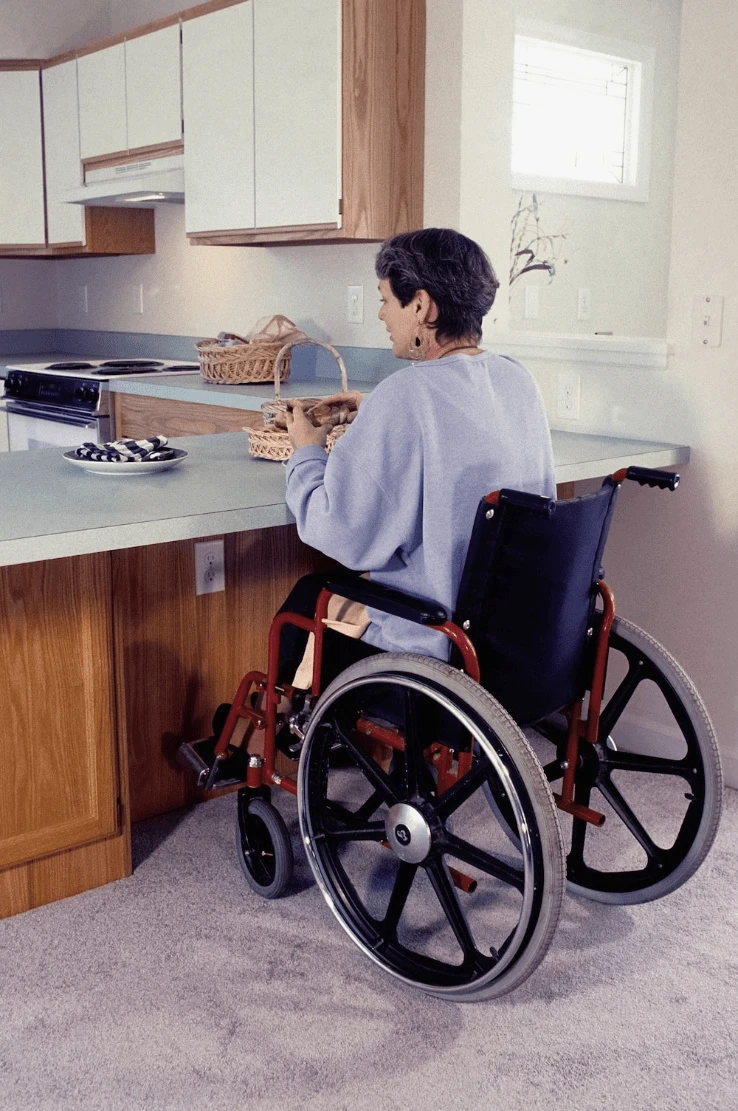
Lowering countertops and installing pull-out shelves can make meal preparation easier. Store commonly used items within reach.
Bedroom Comfort
Choose a comfortable mattress and ensure easy access to the bed. Use bed rails if necessary to prevent falls.
Wider Doorways
If the patient uses a wheelchair or mobility aid, widening doorways can improve accessibility.
Creating a Calm and Organized Space
TBI patients often struggle with sensory overload and may find it challenging to concentrate. To create a more calming and organized living space:
Declutter
Remove unnecessary items from living areas to reduce visual distractions. Keep surfaces clear and organized.
Noise Reduction
Invest in noise-cancelling curtains or rugs to minimize outside noise. Create a quiet space where the patient can retreat when needed.
Color and Décor
Choose soothing colors for walls and decor. Avoid overly stimulating patterns or bright colors that might be overwhelming.
Furniture Arrangement
Arrange furniture to create clear pathways and minimize obstacles. Ensure the seating is comfortable and supportive.
Establishing Supportive Daily Routines
Routine and structure can greatly benefit TBI patients by providing predictability and a sense of control. Here's how to establish supportive daily routines:
Daily Schedule
Create a daily schedule that includes regular mealtimes, therapy sessions, and rest breaks. Write it down or use visual aids like whiteboards or digital calendars.
Medication Management
If the patient requires medication, set up a medication management system. Use pill organizers or smartphone apps to track dosages.
Therapy Integration
Incorporate therapy exercises and activities into the daily routine. Encourage independence while offering support as needed.
Meal Planning
Plan nutritious meals and snacks to support brain health. Involve the patient in meal planning and preparation if possible.
Physical Activity
Include light exercises or physical therapy as part of the daily routine. Ensure that activities are safe and appropriate for the patient's condition.
Mindfulness and Relaxation
Teach relaxation techniques and mindfulness practices to help manage stress and anxiety.
Monitoring Progress and Adjusting
Recovery from a TBI is dynamic, and the patient's needs may change over time. Regularly monitor their progress and be prepared to adapt:
Check-Ins
Have regular check-ins with medical professionals to assess the patient's progress and adjust their treatment plan as needed.
Family Meetings
Hold family meetings to discuss changes in the patient's condition or needs. This ensures everyone is on the same page and can provide the necessary support.
Flexibility
Be flexible and open to adjusting the home environment, routines, and support systems as the patient's condition evolves.
Emotional Support and Communication
TBI patients may experience mood swings, frustration, or difficulty expressing themselves. Effective communication and emotional support are crucial:
Open Dialogue
Encourage open and honest communication within the family. Allow the patient to express their feelings and frustrations.
Active Listening
Practice active listening when the patient communicates. Be patient and empathetic, even if their speech is impaired.
Support Groups
Consider joining TBI support groups in person or online to connect with others facing similar challenges.
Professional Help
If necessary, seek the assistance of a mental health professional who works with TBI patients and their families.
One way you can go about this is through assisted living for TBI patients, like what’s offered by King’s Grace Homecare. As a caregiving facility providing traumatic brain injury assistance, their team can help care for TBI patients at home.
Contact them for more information today!
About the Author
The author is a dedicated healthcare professional with over 30 years of experience in neurorehabilitation. Passionate about improving the lives of TBI patients, they share expert insights and compassionate guidance to help families create supportive environments for their loved ones on the road to recovery.





























Sign in to leave a comment.