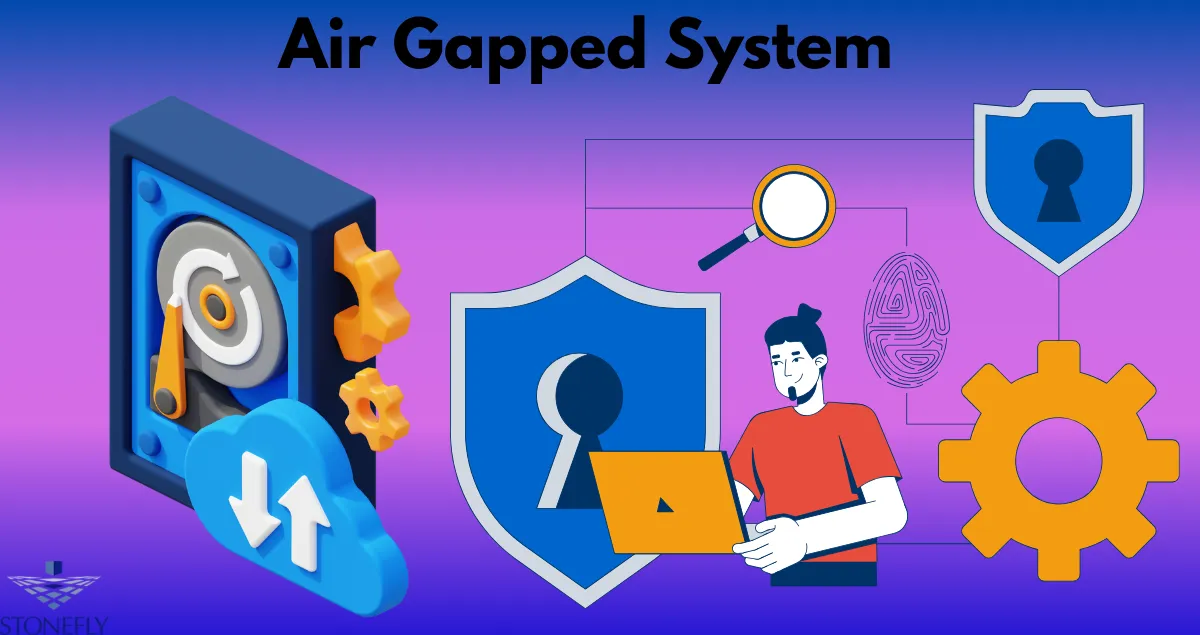

As businesses continue to expand their digital operations, protecting valuable information has become a top priority. Every day, organizations generate vast amounts of customer data, financial records, operational reports, and application workloads. A single cyberattack or system failure can interrupt business operations and cause significant financial damage. This is why an Air Gapped System has become an effective solution for organizations seeking stronger protection against modern cybersecurity threats. By separating critical backup environments from daily network activity, businesses can greatly improve their ability to recover from unexpected incidents.
Why Modern IT Environments Face Greater Risks
Technology has made organizations more productive, but it has also increased the number of potential security vulnerabilities. Connected devices, remote employees, virtual infrastructure, and growing data volumes create additional opportunities for cybercriminals.
Traditional security tools remain important, yet they cannot always prevent every attack. Once attackers gain access to a network, they often search for backup repositories to eliminate recovery options. Organizations therefore need additional layers of protection that continue working even if primary defenses are compromised.
The Value of Infrastructure Isolation
One of the most effective ways to strengthen backup security is by reducing unnecessary connectivity between production environments and backup repositories.
An isolated infrastructure offers several advantages:
- Greater protection against ransomware attacks
- Reduced risk of unauthorized data modification
- Improved disaster recovery preparedness
- Enhanced operational resilience
- Better support for long-term business continuity
Rather than depending on a single security measure, organizations build multiple defensive layers that complement one another.
Key Elements of a Reliable Backup Environment
A well-designed backup environment combines technology, policies, and ongoing management. Organizations should regularly evaluate their infrastructure to ensure it continues meeting both operational and security requirements.
Secure Access Management
Only authorized administrators should manage backup infrastructure. Role-based permissions, strong authentication, and regular account reviews help minimize security risks.
Automated Backup Scheduling
Automation ensures critical information is backed up consistently without relying on manual intervention. Scheduled processes also reduce the likelihood of human error.
Continuous Health Monitoring
Monitoring tools provide early visibility into backup failures, storage capacity issues, and unusual activity. Early detection allows administrators to resolve problems before they affect recovery readiness.
Best Practices for Long-Term Protection
Organizations can strengthen their backup strategy by following proven operational practices.
Maintain Multiple Backup Copies
Storing multiple versions of important information increases the likelihood of successful recovery after accidental deletion, corruption, or cyberattacks.
Test Recovery Procedures
Backup systems should be tested regularly to confirm that files, applications, and databases can be restored successfully. Recovery exercises also help IT teams become familiar with emergency procedures.
Keep Documentation Updated
Well-documented recovery plans allow organizations to respond more efficiently during outages while reducing confusion among technical teams.
Supporting Business Continuity
Business continuity planning focuses on minimizing downtime while restoring critical operations as quickly as possible. Backup infrastructure plays an essential role in achieving this objective.
A complete continuity strategy should include:
- Clearly defined recovery objectives
- Prioritized restoration processes
- Employee awareness training
- Security monitoring
- Routine backup verification
These practices help organizations recover faster while maintaining customer confidence and operational stability.
Adapting to Future Security Challenges
Cyber threats continue evolving, requiring organizations to update their security strategies on a regular basis. Businesses that proactively improve backup protection are better prepared for emerging attack techniques and changing regulatory requirements.
Combining endpoint security, encryption, access controls, employee education, and an Air Gapped System creates a comprehensive defense strategy that reduces the likelihood of catastrophic data loss. Continuous improvement ensures backup infrastructure remains effective as technology and business needs evolve.
Conclusion
Protecting business data requires more than traditional backup processes. Organizations must build resilient infrastructure capable of withstanding cyberattacks, hardware failures, and unexpected disruptions. By implementing an Air Gapped System within a layered security strategy, businesses can strengthen data protection, improve disaster recovery capabilities, and ensure critical information remains available when recovery is needed most.
FAQs
1. How often should organizations review their backup infrastructure?
Backup infrastructure should be reviewed regularly, especially after major technology upgrades, security incidents, or changes in business requirements. Periodic assessments help ensure recovery plans remain effective.
2. Can an Air Gapped System support compliance requirements?
Yes. Air Gapped System can help organizations meet various data protection and retention requirements by providing secure, isolated backup environments that reduce the risk of unauthorized access or data compromise.
3. What industries benefit the most from an Air Gapped System?
Industries that manage sensitive or mission-critical data—such as healthcare, finance, government, manufacturing, and education—benefit greatly from an Air Gapped System because it enhances protection against cyber threats and supports reliable disaster recovery.
4. How does an Air Gapped System improve ransomware protection?
An Air Gapped System isolates backup data from production networks, making it much harder for ransomware or other malicious software to access, encrypt, or delete backup copies. This helps ensure clean data is available for recovery after an attack.
5. What should organizations consider before implementing an Air Gapped System?
Organizations should evaluate their recovery objectives, storage capacity requirements, backup frequency, access controls, scalability, and disaster recovery processes. Proper planning ensures the Air Gapped System integrates effectively with the overall cybersecurity and business continuity strategy.





























Sign in to leave a comment.