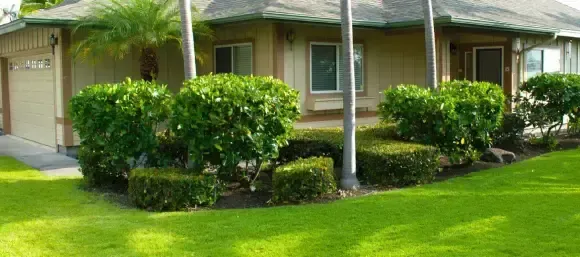

Owners of large residential or commercial estates on the Big Island have a highly unique opportunity that extends far beyond standard aesthetic gardening. Expansive acreage provides the canvas to do something deeply meaningful for the local culture and ecology. A growing movement among property owners involves shifting away from generic tropical designs and actively transforming their land into living botanical museums. By dedicating significant space to cultivating historical Kailua-Kona canoe plants, these estates become active sites of cultural preservation. Walking through one of these highly curated properties is no longer just a visual experience; it becomes a deeply engaging, educational journey through the ancient history of Polynesian voyaging.
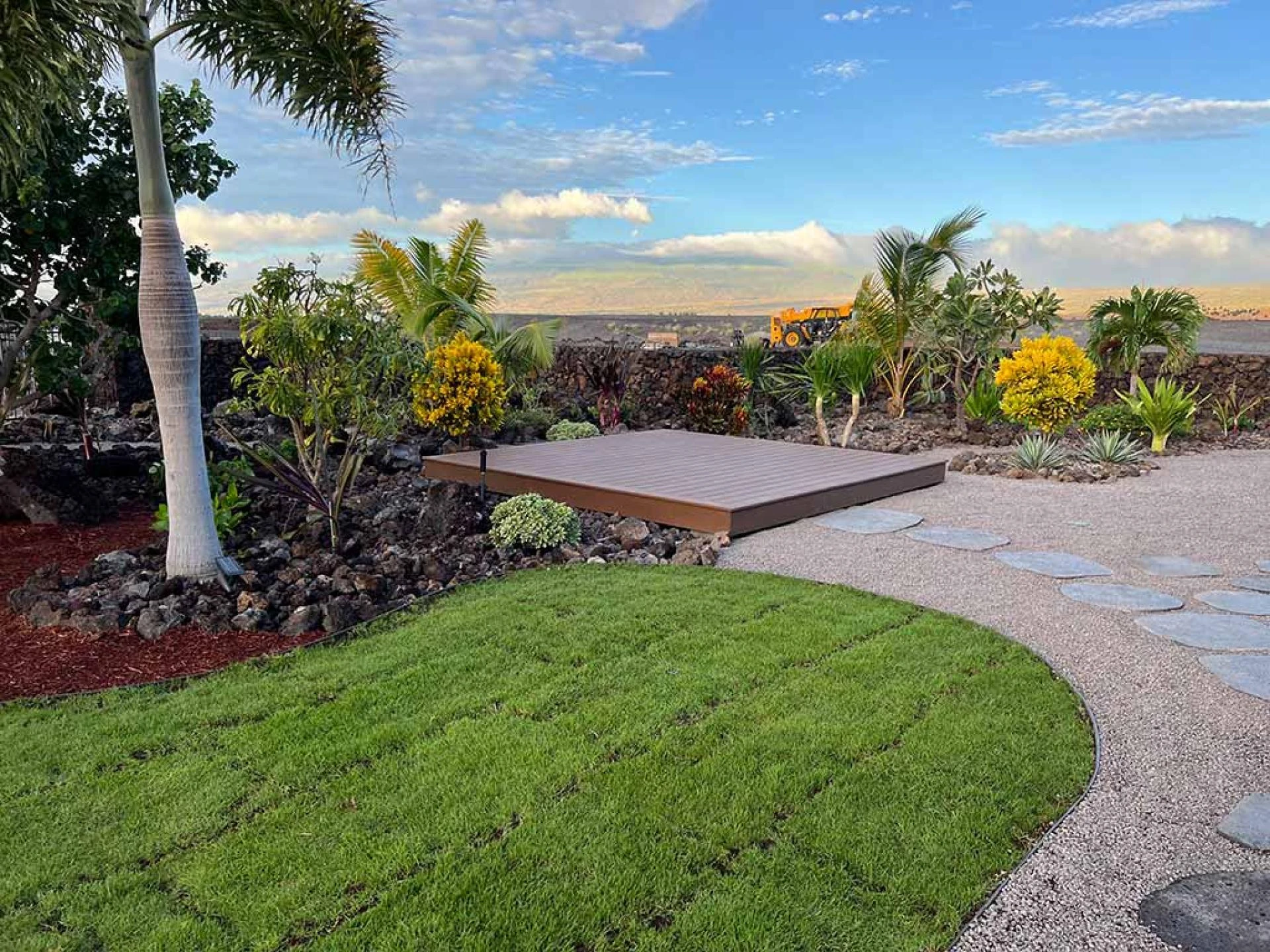
Designing a functional botanical trail requires highly intentional spatial planning. You cannot simply scatter historical plants randomly across a massive field and expect the history to translate to the viewer. A successful living museum relies on a carefully mapped, winding pathway that guides the walker through a highly deliberate sequence of botanical discoveries. Constructing these trails using natural, crushed volcanic cinders ensures the path blends perfectly into the earth while providing a highly stable walking surface. The route should curve gently around large trees and through dense plantings, encouraging the walker to slow down, observe closely, and completely immerse themselves in the surrounding environment.
Categorising the planting zones based on historical usage creates a highly coherent narrative for the garden. Early settlers did not bring these plants for decoration; they brought them for absolute survival. Grouping the flora by their primary function helps tell this incredible story. Creating a specific medicinal zone featuring Noni and Olena allows visitors to understand ancient healing practices. Further along the trail, an agricultural zone heavily planted with Ulu (breadfruit), Uala (sweet potato), and dryland Kalo (taro) demonstrates how massive populations were fed. This highly structured layout turns a simple walk into an engaging, structured lesson in historical survival and ingenuity.
Integrating physical storytelling elements is highly necessary for a true museum experience. Without context, a rare native plant simply looks like another green shrub to the untrained eye. Installing beautiful, weather-resistant botanical plaques made from carved wood or etched metal provides the critical information required for education. These discreet signs should detail both the scientific name and the traditional Hawaiian name of the species, along with a brief explanation of its historical significance. Offering this information allows guests, children, and visitors to completely understand the immense cultural weight of the living artifacts they are standing next to.
Maintaining the biological integrity of a large heritage garden requires a commitment to traditional, chemical-free agriculture. A living museum dedicated to ancient flora must rely on ancient, highly sustainable methods of care. Employing heavy synthetic fertilisers and toxic weed killers completely disrespects the ecological balance that these plants represent. Instead, property managers utilise massive, on-site composting systems to generate rich, organic soil amendments. Encouraging the growth of nitrogen-fixing ground covers and allowing natural leaf litter to protect the root zones ensures the entire estate functions as a closed-loop, highly sustainable biological system that requires very little artificial input.
The long-term impact of establishing these living museums is incredibly profound. As the island continues to experience rapid commercial development, large tracts of open, historically relevant land are becoming increasingly rare. Private property owners who choose to dedicate their acreage to cultural preservation are performing a highly necessary public service. These curated heritage trails act as massive, living seed banks, ensuring that the incredible botanical legacy of the original voyagers survives the pressures of the modern world. Building a living museum proves that large-scale property ownership can be an act of profound respect, education, and lasting environmental stewardship.
Conclusion
Large properties hold the incredible potential to serve as active sites of cultural and ecological preservation. By designing structured walking trails, grouping plants by their historical functions, and providing clear educational context, estates can operate as living botanical museums. Cultivating these ancient voyaging plants on a massive scale ensures that the rich, biological history of the island is protected, respected, and shared with future generations.
Call to Action
Transform your expansive acreage into a deeply meaningful, highly educational botanical preserve. Contact our design experts today to plan a stunning walking trail that honours the rich agricultural history of the island.
Visit: https://aina-landscaping.com/canoe-plants-big-island-landscaping/

























Sign in to leave a comment.