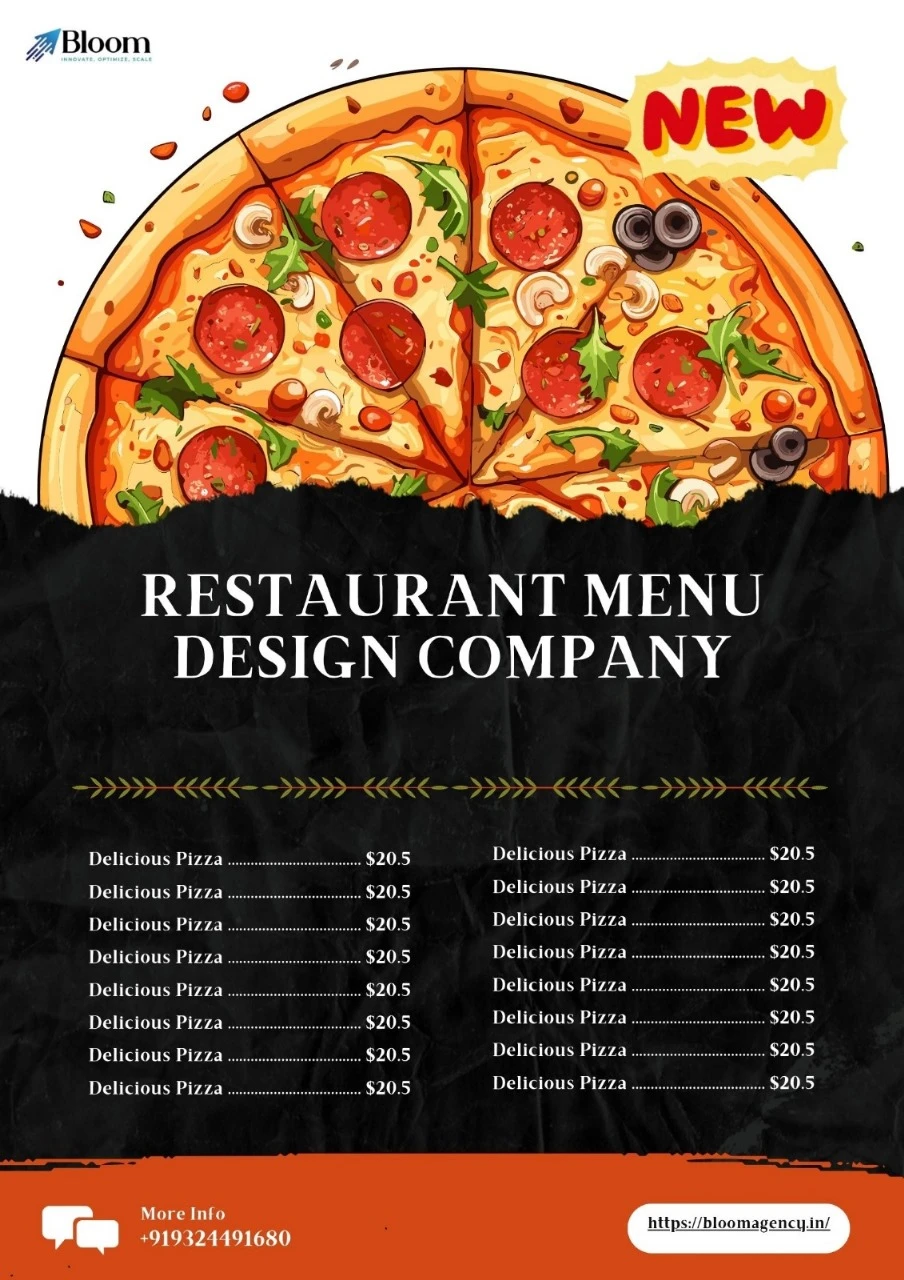

In the restaurant industry, first impressions matter just as much as the food itself. A creative menu card design is not just a list of dishes—it’s a reflection of your brand’s personality, culinary style, and customer experience. Whether you run a fine dining restaurant, a cozy café, or a quirky food truck, the way your menu is designed can significantly impact how customers perceive your offerings and make their ordering decisions.
Why Creative Menu Card Design Matters
A well-designed menu card does more than display food items. It:
- Influences Ordering Behavior – Eye-catching visuals and strategic layouts can encourage customers to order high-margin items.
- Enhances Brand Identity – Colors, fonts, and imagery should align with your restaurant’s theme, whether it’s rustic, modern, or luxurious.
- Improves Readability – A clean design with logical sections makes it easier for diners to navigate.
- Creates a Memorable Experience – A unique design leaves an impression that customers remember and share with others.
Elements of a Successful Creative Menu Design
- Brand-Consistent Aesthetics
- Use your logo, brand colors, and signature style to maintain consistency across all marketing materials.
- Strategic Layout
- Organize dishes into logical sections—starters, mains, desserts—making it easier for customers to find what they want.
- Typography Choices
- Select fonts that match your restaurant’s vibe. A modern café might choose clean sans-serif fonts, while a vintage diner could go for retro typefaces.
- High-Quality Images
- Professional photography can make your dishes irresistible. However, avoid overcrowding the menu with too many pictures.
- Highlighting Specials
- Use boxes, icons, or color pops to draw attention to chef specials or seasonal dishes.
Creative Trends in Menu Card Design
- Minimalist Layouts – Simple designs with lots of white space for a sleek, modern look.
- Hand-Drawn Illustrations – Adds a personalized, artistic touch.
- Interactive QR Menus – Blend print design with digital menus for a modern dining experience.
- Thematic Designs – Menus that match the restaurant’s cultural or seasonal theme.
Printing & Material Considerations
- Paper Quality – Thick, textured paper gives a premium feel.
- Finishing Options – Matte, glossy, or laminated finishes can protect your menu and enhance its appearance.
- Sustainable Materials – Eco-friendly menus appeal to environmentally conscious diners.
Conclusion
A creative menu card design can transform the dining experience, making your restaurant stand out in a competitive market. By blending strategic design, quality materials, and brand identity, you can create a menu that not only informs but also excites and inspires customers to explore your culinary creations.
If you want, I can also create a second blog on creative menu card design focusing purely on modern digital trends and QR integration so you can target a different audience segment. Would you like me to prepare that next?































Sign in to leave a comment.