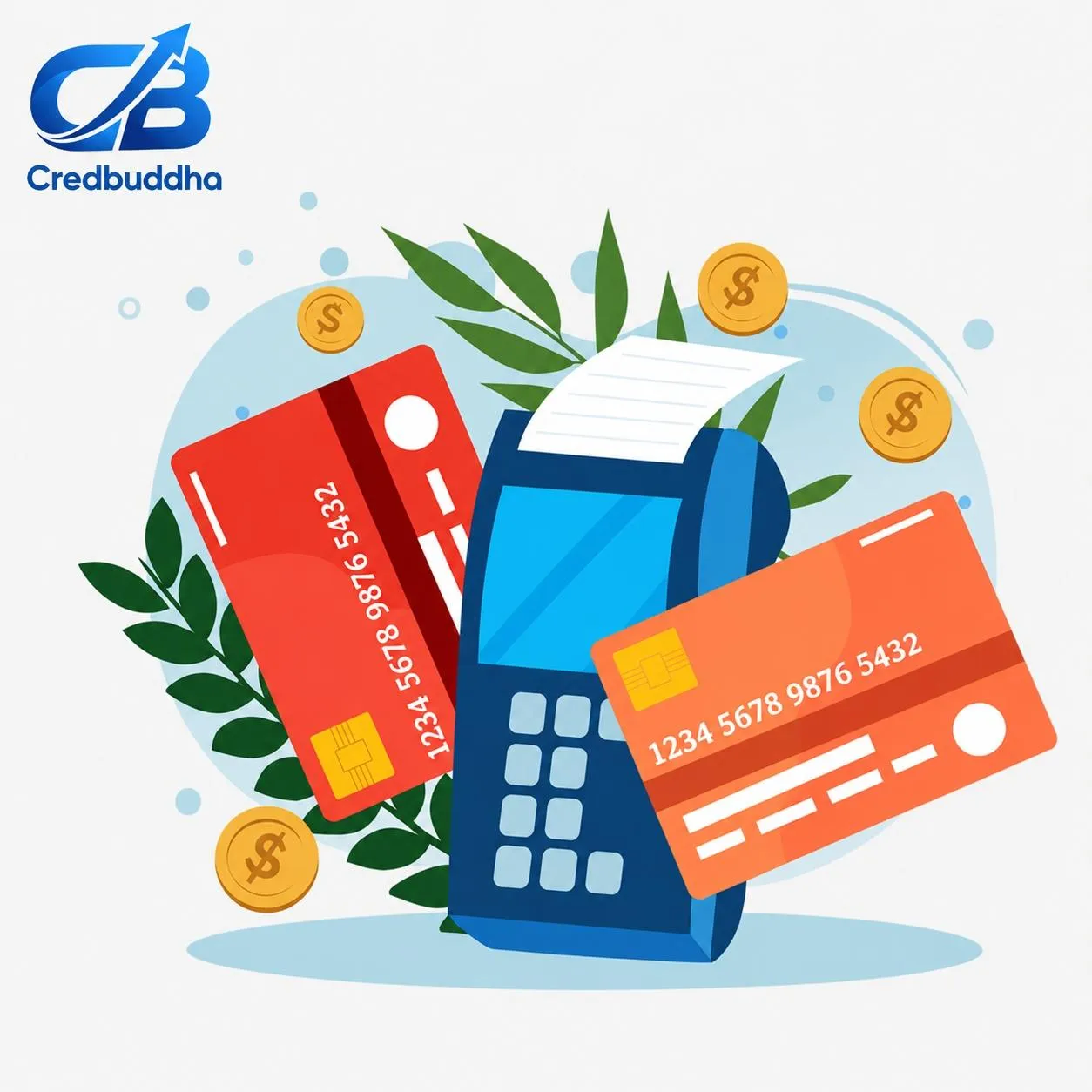

Credit cards can be a convenient way to manage everyday spending, handle short-term expenses, and build a credit history. But they can also become expensive if balances are carried without a repayment plan.
The key to using a credit card effectively is understanding how it works and treating the available credit as borrowed money not as additional income.
What Is a Credit Card?
A credit card allows you to make purchases using a predetermined credit limit provided by the card issuer.
Instead of paying immediately from your bank account, you can repay the amount later according to the card's billing cycle and payment terms.
Your statement typically shows:
- Purchases
- Previous balance
- Payments made
- New balance
- Minimum amount due
- Total amount due
- Payment due date
Understanding these details can help you avoid unnecessary charges.
How Does a Credit Card Billing Cycle Work?
Credit cards generally operate through a billing cycle.
During the cycle, your purchases are recorded. At the end of the cycle, the issuer generates a statement showing the amount payable and the due date.
For example:
Billing period → Statement generated → Payment due date
If you pay the full statement balance by the due date, you can generally avoid interest on eligible purchases, subject to the card's terms.
Why Paying the Full Bill Matters
One of the most important credit-card habits is paying the total amount due rather than repeatedly paying only the minimum amount.
The minimum payment may keep the account from being considered overdue, but carrying the remaining balance can result in interest and extend the time needed to repay the debt.
If you regularly pay the full statement balance, you can use the card as a payment tool without allowing revolving debt to accumulate.
What Happens If You Pay Only the Minimum?
Paying only the minimum amount can make your immediate payment easier, but the remaining balance may continue to attract finance charges according to the card's terms.
This can turn a relatively small purchase into a much more expensive one over time.
For example, buying an expensive electronic product on credit and then carrying the balance for several months could result in substantial additional costs.
That's why the minimum payment should generally be viewed as a safety net—not your regular repayment strategy.
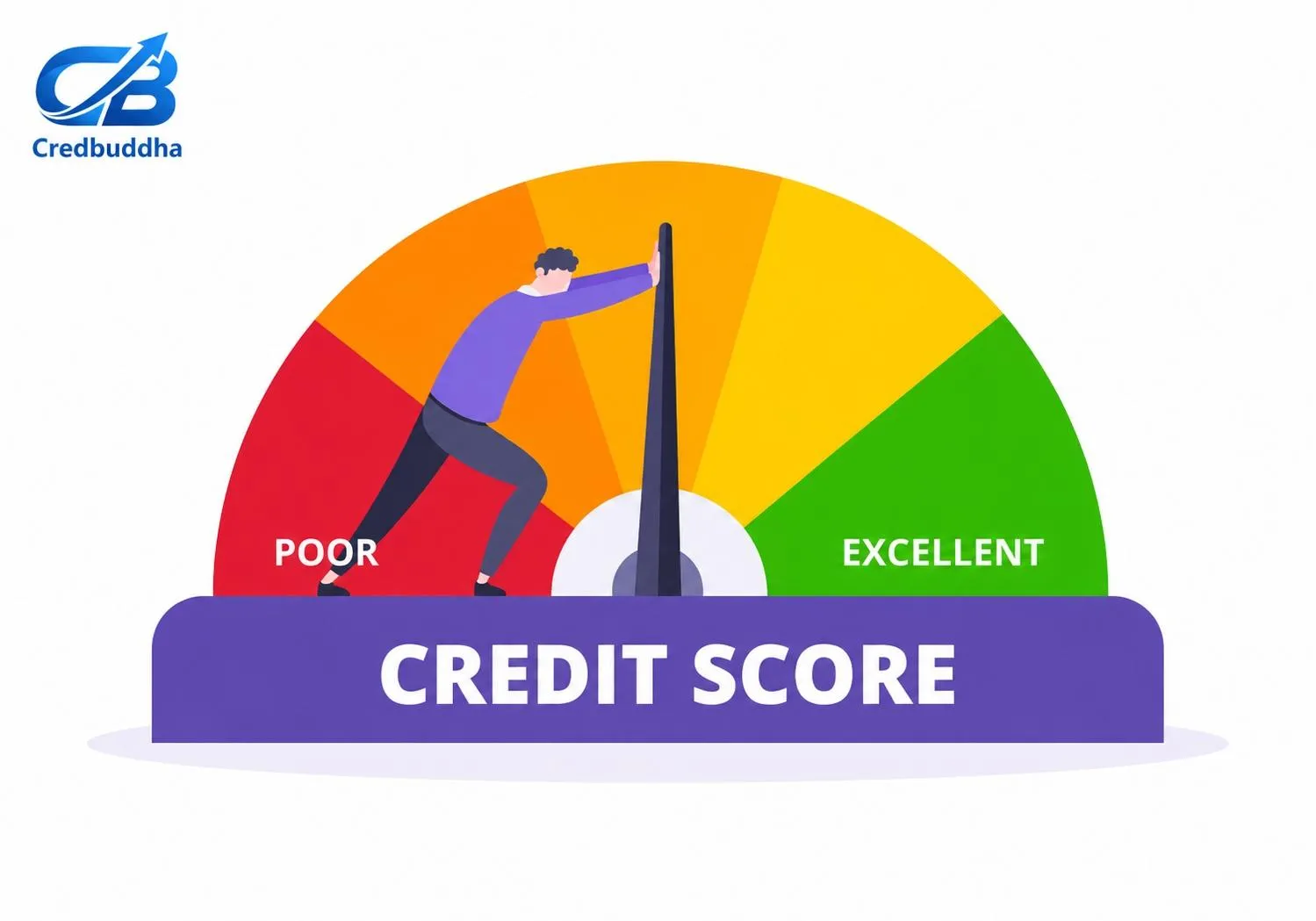
Credit Cards and Your Credit Score
Responsible credit-card usage can contribute to building a positive credit history.
Factors that can matter include:
- Paying bills on time
- Managing outstanding balances
- Credit utilisation
- Length of credit history
- Number of recent credit applications
Missing payments or consistently carrying very high balances can negatively affect your credit profile.
Keep Credit Utilisation Under Control
Credit utilisation refers to the amount of your available revolving credit that you're currently using.
For example, if your credit limit is ₹1,00,000 and your outstanding balance is ₹30,000, your utilisation is 30%.
Keeping your balances manageable can support responsible credit usage.
However, don't spend more simply to maintain a particular utilisation percentage. Your actual repayment capacity should always come first.
Credit Card Rewards: Are They Really Worth It?
Many credit cards offer rewards such as:
- Cashback
- Reward points
- Travel benefits
- Discounts
- Fuel-related benefits
- Shopping offers
These rewards can be useful if they match your normal spending habits.
However, spending ₹10,000 unnecessarily just to earn rewards worth a small amount doesn't make financial sense.
The best rewards are those you earn from purchases you would have made anyway.
Be Careful With Cash Withdrawals
Credit-card cash withdrawals can have different charges and interest rules from regular purchases.
Before using a card to withdraw cash, check:
- Cash withdrawal fee
- Interest rate
- When interest begins
- Other applicable charges
A credit card should generally not be treated like a regular ATM account.
Credit Card Fees You Should Know
Before choosing a card, review its fee structure.
Potential charges may include:
- Annual fee
- Joining fee
- Late-payment charges
- Cash withdrawal charges
- Foreign transaction fees
- Over-limit charges, where applicable
- Interest or finance charges
A card with attractive rewards may not be suitable if its fees outweigh the benefits you actually use.
Should You Have Multiple Credit Cards?
Having multiple cards isn't automatically good or bad.
It can provide different benefits, but managing several payment dates and credit limits can also become complicated.
If you have multiple cards, maintain a simple system for tracking:
Statement dates
Payment due dates
Outstanding balances
Annual fees
Rewards
Don't take additional cards simply because you're offered a higher total credit limit.
Avoid Using Credit Cards for Unplanned Debt
Credit cards are convenient, but convenience can encourage impulsive spending.
Before making a large purchase, ask:
"Can I comfortably repay this amount when the bill arrives?"
If the answer is no, consider whether the purchase should be delayed.
This simple question can prevent many unnecessary debt problems.
What Should You Do If You Already Have Credit Card Debt?
Start by understanding the total amount you owe.
List:
- Outstanding balance
- Interest rate
- Minimum payment
- Due date
- Other debts and EMIs
Then create a realistic repayment strategy.
Avoid taking on additional unnecessary purchases while trying to reduce the balance.
Depending on your circumstances, you may also explore whether a suitable debt-consolidation or personal-loan option could reduce your overall borrowing cost—but compare the total cost carefully before making a switch.
Credit Cards vs Debit Cards
Both can be useful, but they work differently.
Credit Card
You borrow from the card issuer and repay later.
Debit Card
The money is generally deducted directly from your linked bank account.
Credit cards may provide rewards and can help build credit history when used responsibly. Debit cards can help you spend money you already have.
The better choice depends on your financial habits and needs.
How to Choose a Credit Card
Don't choose a card only because of its advertised rewards.
Consider:
Spending Pattern
Choose benefits that match your regular expenses.
Fees
Compare annual and other applicable charges.
Interest Rate
Understand the cost if you carry a balance.
Rewards
Check whether points or cashback are genuinely useful to you.
Credit Limit
Make sure the limit doesn't encourage unnecessary spending.
Additional Benefits
Travel, dining, insurance, or other benefits may matter depending on your lifestyle.
Where Can You Explore Credit Card Options?
If you're comparing financial products, platforms such as CredBuddha can help you explore available financial options and understand different borrowing-related products.
Always review the issuer's official terms, fees, eligibility requirements, and conditions before applying for a credit card.
Conclusion
A credit card can be a useful financial tool when used with discipline.
Paying bills on time, keeping balances manageable, understanding fees, and avoiding unnecessary purchases can help you get the benefits of credit without allowing debt to grow.


























Sign in to leave a comment.