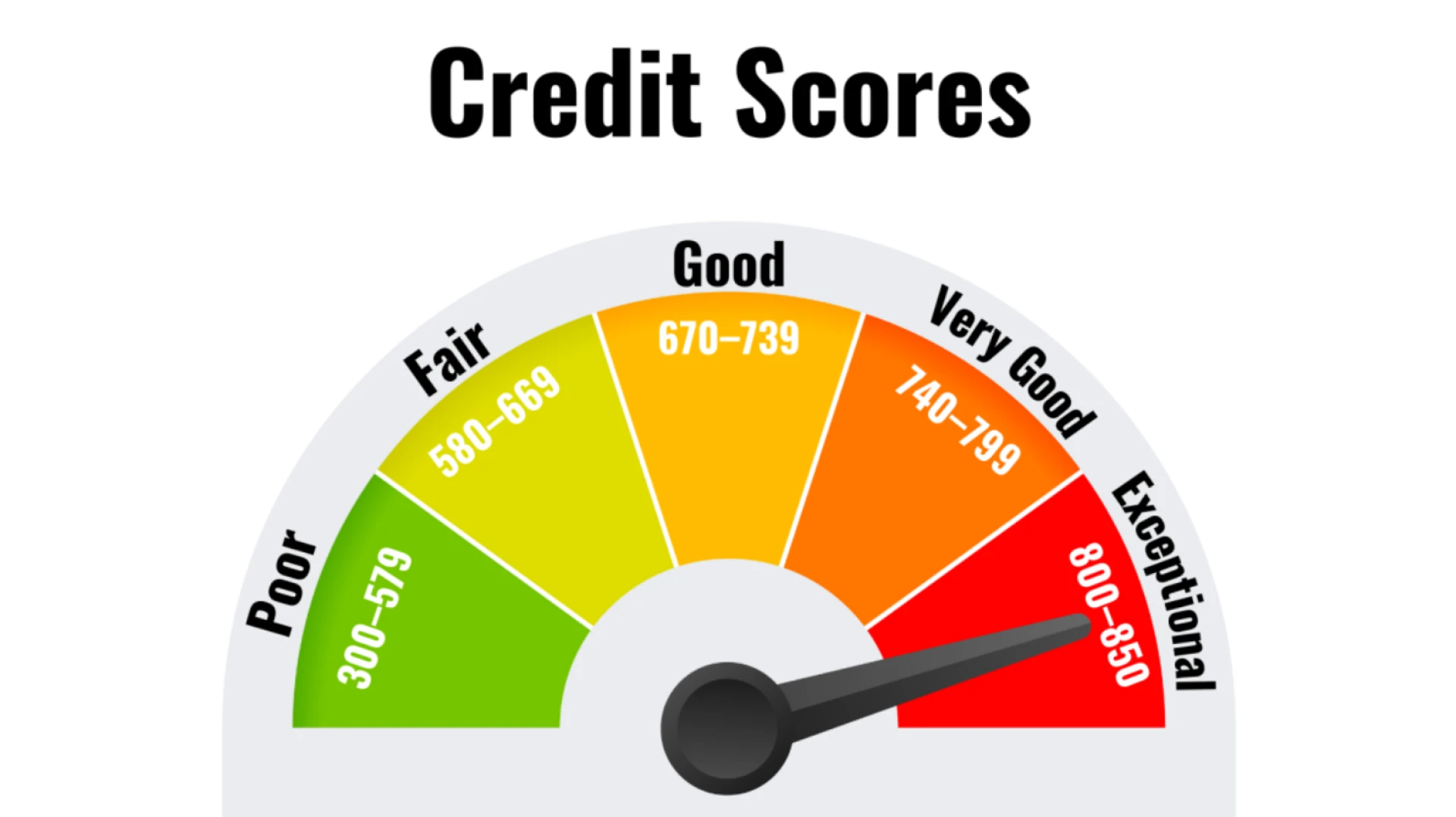

A good credit score is essential for securing loans, credit cards, and favorable interest rates. Yet many individuals find that despite timely payments and responsible spending, their credit score seems stuck. Understanding the factors that influence your credit score is the first step toward improvement. Here are five common mistakes that could be holding your credit score back and how to fix them.
1. Missing or Late Payments
Even one missed payment can have a significant impact on your credit score. Payment history accounts for a large portion of your credit rating, and consistently paying bills late signals to lenders that you might be a higher risk. To avoid this
- Set up automatic payments for recurring bills
- Use reminders or calendar alerts to ensure you never miss a due date
- If you do miss a payment, make it as soon as possible to minimize the damage
Regular, on-time payments are the most effective way to build and maintain a strong credit profile.
2. High Credit Utilization
Credit utilization refers to the percentage of your available credit that you are using. A high utilization rate indicates higher risk and can lower your score, even if you pay off balances in full each month. Best practices include
- Keeping credit card balances below 30 percent of the credit limit
- Paying off balances in full or multiple times a month
- Requesting a higher credit limit if your spending habits remain consistent
Managing credit utilization demonstrates financial responsibility and helps improve your score over time.
3. Applying for Too Much Credit at Once
Each time you apply for credit, a hard inquiry is generated, which can temporarily lower your credit score. Multiple inquiries in a short period may signal that you are overextending yourself financially. To avoid this
- Only apply for new credit when necessary
- Space out applications over several months
- Monitor your credit report to ensure inquiries are accurate
Being selective with credit applications reduces the risk of unnecessary score dips.
4. Ignoring Errors on Your Credit Report
Errors on credit reports are more common than many people realize. Mistakes such as incorrect late payments, wrong account details, or unrecognized inquiries can drag your score down. To protect your credit
- Check your credit report regularly for inaccuracies
- Dispute any errors with the credit reporting agency immediately
- Keep records of all correspondence for reference
Addressing errors promptly can result in a noticeable improvement in your credit score.
5. Closing Old Accounts
While it may seem logical to close old or unused accounts, doing so can actually hurt your credit score. The length of your credit history is a factor in your rating, and closing long-standing accounts shortens the average age of your credit. Consider these tips
- Keep older accounts open, even if you rarely use them
- Use old accounts occasionally to maintain activity
- Focus on responsible use rather than closing accounts to reduce clutter
Maintaining long-term accounts demonstrates stability and positively impacts your credit profile.
Steps to Improve Your Credit Score
- Diversify your credit by having a mix of credit types such as a mortgage, personal loan, or credit card
- Monitor your score with free or paid credit tracking services
- Build an emergency fund to reduce reliance on credit during unexpected expenses
- Be patient since improving a credit score takes time and consistent, responsible behavior will gradually yield results
Improving Your Credit Starts Today
A credit score reflects your financial behavior and affects your ability to secure loans and favorable terms. By avoiding these common mistakes including late payments, high credit utilization, frequent credit applications, ignoring errors, and closing old accounts, you can take control of your credit profile. Regular monitoring, disciplined financial habits, and patience are key to moving your score in the right direction. With careful attention, you can improve your credit score and unlock better financial opportunities.



























Sign in to leave a comment.