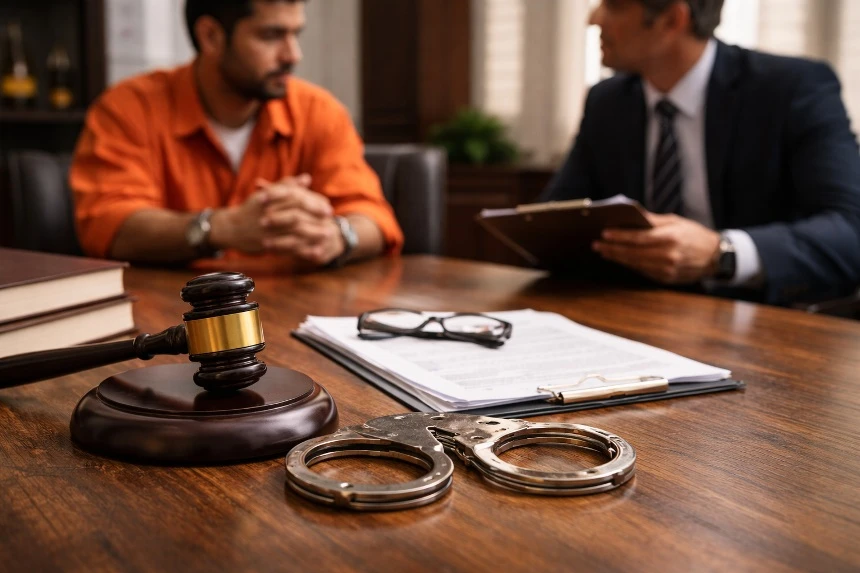

When someone is accused of a crime, the situation can feel overwhelming and life-altering. From the moment of arrest, every decision, statement, and legal step can shape the outcome of the case. This is where criminal defense attorneys play a critical role. Their job is not only to represent the accused in court but also to protect constitutional rights, investigate the facts, and build a defense strategy that gives the client the best possible chance of a fair result.
Criminal defense attorneys handle a wide range of cases, from minor misdemeanors to serious felony charges. They work closely with clients to understand what happened, explain legal options, and challenge the prosecution’s evidence. In a legal system that can be complex and intimidating, having experienced legal representation can make the difference between a conviction and an acquittal, or between harsh penalties and reduced charges.
The Role of Criminal Defense Attorneys in the Justice System
Criminal defense attorneys serve as a safeguard against unfair treatment and procedural errors. Their first responsibility is to ensure that law enforcement and prosecutors follow the law at every stage of the process. This includes reviewing how evidence was collected, whether the arrest was lawful, and if the defendant’s rights were respected during questioning.
They also analyze police reports, witness statements, forensic evidence, and surveillance footage. By identifying inconsistencies or weaknesses, a defense lawyer can challenge the prosecution’s case and, in some situations, have evidence excluded or charges dismissed. Beyond the courtroom, criminal defense attorneys often negotiate with prosecutors, seeking reduced charges or alternative sentencing options such as probation, diversion programs, or plea agreements.
Understanding Different Types of Criminal Charges
Criminal cases vary widely in complexity and severity. Misdemeanors may involve offenses like petty theft, simple assault, or driving under the influence, while felonies can include violent crimes, drug trafficking, fraud, or weapons charges. Each category carries different penalties and long-term consequences.
Defense strategies also differ based on the type of charge. For example, a drug possession case may focus on unlawful search and seizure, while a white-collar crime case might involve detailed financial records and expert testimony. Criminal defense attorneys must tailor their approach to the unique facts of each case, ensuring that no detail is overlooked.
How Defense Strategies Are Built
Every strong defense begins with a thorough investigation. Criminal defense attorneys interview witnesses, consult experts, and reconstruct the events leading up to the arrest. They may hire private investigators, forensic specialists, or medical professionals to provide independent analysis.
Legal research is another key component. Attorneys review statutes, case law, and procedural rules to find legal arguments that support their client’s position. In court, they present motions, cross-examine witnesses, and challenge the credibility of the prosecution’s evidence. The goal is to create reasonable doubt or demonstrate that the charges do not meet the legal standard required for conviction.
Choosing the Right Legal Representation
Selecting the right criminal defense attorney is one of the most important decisions an accused person can make. Experience with similar cases, knowledge of local courts, and a strong reputation for courtroom advocacy are all crucial factors. Communication is equally important. A good attorney explains complex legal issues in plain language and keeps the client informed at every stage of the process.
In regions with diverse populations and busy court systems, such as South Florida, local experience can be especially valuable. For example, individuals facing charges in Broward County may seek guidance from Hollywood, FL Criminal Defense Lawyers who understand local procedures, judges, and prosecutors, allowing them to craft defense strategies that are both legally sound and strategically effective.
The Importance of Early Legal Intervention
The earlier a criminal defense attorney becomes involved, the better the chances of a favorable outcome. Early intervention allows the lawyer to protect the client during police questioning, preserve critical evidence, and begin building a defense before the prosecution’s case is fully developed.
In some cases, timely legal action can prevent formal charges from being filed or lead to reduced accusations. It can also help secure bail, challenge unlawful detention, and ensure that the client’s rights are not compromised during the investigation.
Long-Term Impact of Criminal Cases
A criminal conviction can have lasting effects beyond fines or jail time. It can influence employment opportunities, professional licenses, housing applications, and even immigration status. Criminal defense attorneys understand these broader consequences and often work to minimize the long-term impact on their clients’ lives.
Through strategic negotiations and courtroom advocacy, they may seek outcomes that avoid permanent records or reduce the severity of penalties. For first-time offenders, this could include diversion programs or expungement options that allow for a fresh start.
Why Professional Defense Matters
The legal system is built on the principle that every person is presumed innocent until proven guilty. Criminal defense attorneys are the professionals who ensure this principle is upheld in practice. They stand between the individual and the full power of the state, demanding that the prosecution meet its burden of proof and that justice is administered fairly.
Whether dealing with minor allegations or serious criminal charges, skilled legal representation provides clarity, protection, and a structured path forward. By combining legal knowledge, investigative skills, and courtroom experience, criminal defense attorneys play an essential role in maintaining the balance and integrity of the justice system.






























Sign in to leave a comment.