Cosmetic surgery has evolved into one of the most sought-after fields in modern medicine—driven by advancements in both surgical techniques and instrument technology. From facial rejuvenation to body contouring, each procedure demands precision, reliability, and meticulous attention to detail. At the core of every successful cosmetic outcome lies a set of specialized instruments designed to support surgeons in achieving predictable and beautiful results.
The Foundation of Successful Cosmetic Procedures
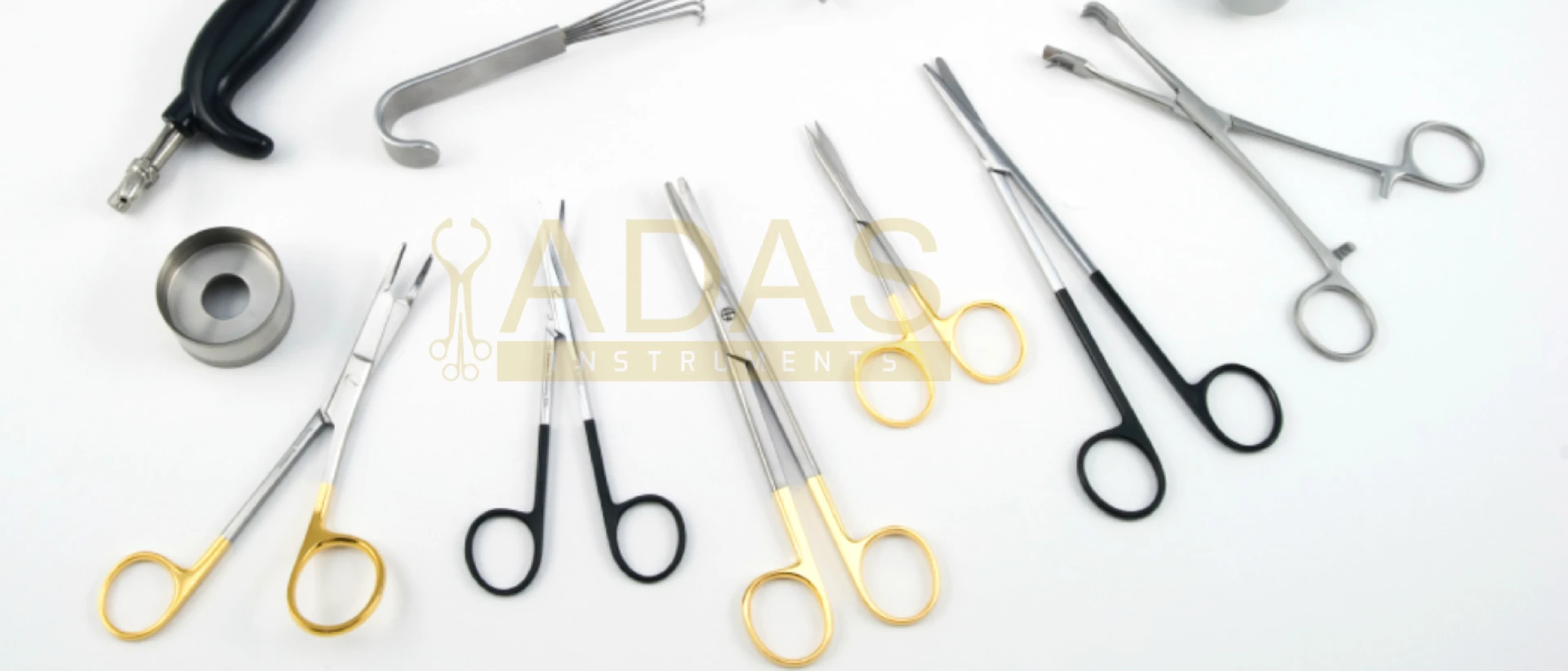
Cosmetic surgery instruments are not just tools—they are extensions of a surgeon’s skill. Whether performing a facelift, rhinoplasty, blepharoplasty, or liposuction, surgeons depend on instruments that offer smooth performance, excellent control, and consistent reliability. Precision in instrument design improves surgical accuracy, reduces trauma to tissues, and enhances overall patient safety.
For example, fine-edge scissors and delicate forceps allow for precise dissection and suturing in procedures like brow lifts or ear reshaping. Meanwhile, specialized retractors provide better exposure of operative fields during deeper or more complex surgeries. Each instrument plays a vital role in enabling surgeons to manipulate tissues gently and accurately.
How Quality Instruments Improve Patient Outcomes
In cosmetic surgery, even the smallest error can affect symmetry and aesthetic balance. That’s why high-quality instruments are essential—they reduce the risk of complications and support optimal healing. Superior instruments offer:
- Greater surgical precision, thanks to ergonomic design and fine tips
- Improved control, reducing hand fatigue during lengthy procedures
- Better durability, resisting wear and corrosion over time
- Enhanced sterilization compatibility, essential for infection prevention
These benefits translate to smoother procedures, reduced postoperative complications, and more predictable cosmetic outcomes.
Advancements in Cosmetic Surgery Tools
Modern cosmetic surgery instruments benefit from technological progress. Innovations such as tungsten carbide-tipped handles, laser-compatible instruments, and advanced alloy materials have elevated tool performance. These enhancements provide sharper cutting surfaces, longer tool life, and improved tactile feedback—allowing surgeons to work with confidence and finesse.
Additionally, specialized sets are now available for various procedures, ensuring surgeons have the right tools for specific surgical goals. From delicate eyelid surgery to comprehensive facial restructuring, dedicated instrument sets streamline workflow and support surgical accuracy.
Choosing Instruments That Match Surgical Needs
Selecting the right instruments is as important as mastering surgical technique. Healthcare facilities and surgical centers should choose instrument sets that meet strict quality standards and provide reliability even under frequent sterilization. Instruments should be sourced from reputable manufacturers and designed with ergonomic features that support both surgeon comfort and clinical excellence.
Instrument Care and Maintenance
Maintaining cosmetic surgery instruments is also vital. Regular cleaning, proper storage, and adherence to sterilization protocols preserve instrument functionality and safety. Investing in quality instruments and maintaining them properly reduces long-term costs and ensures they remain dependable over years of use.
In a field where precision defines outcomes, having high-quality cosmetic surgery instruments is indispensable. They support the surgeon’s expertise, contribute to better surgical performance, and ultimately enhance patient satisfaction.
For premium cosmetic surgery instrument sets that combine durability, precision, and clinical excellence, explore the offerings from Adas Instruments at adasinstrumentsonline.com — the trusted source for professional surgical tools.


























Sign in to leave a comment.