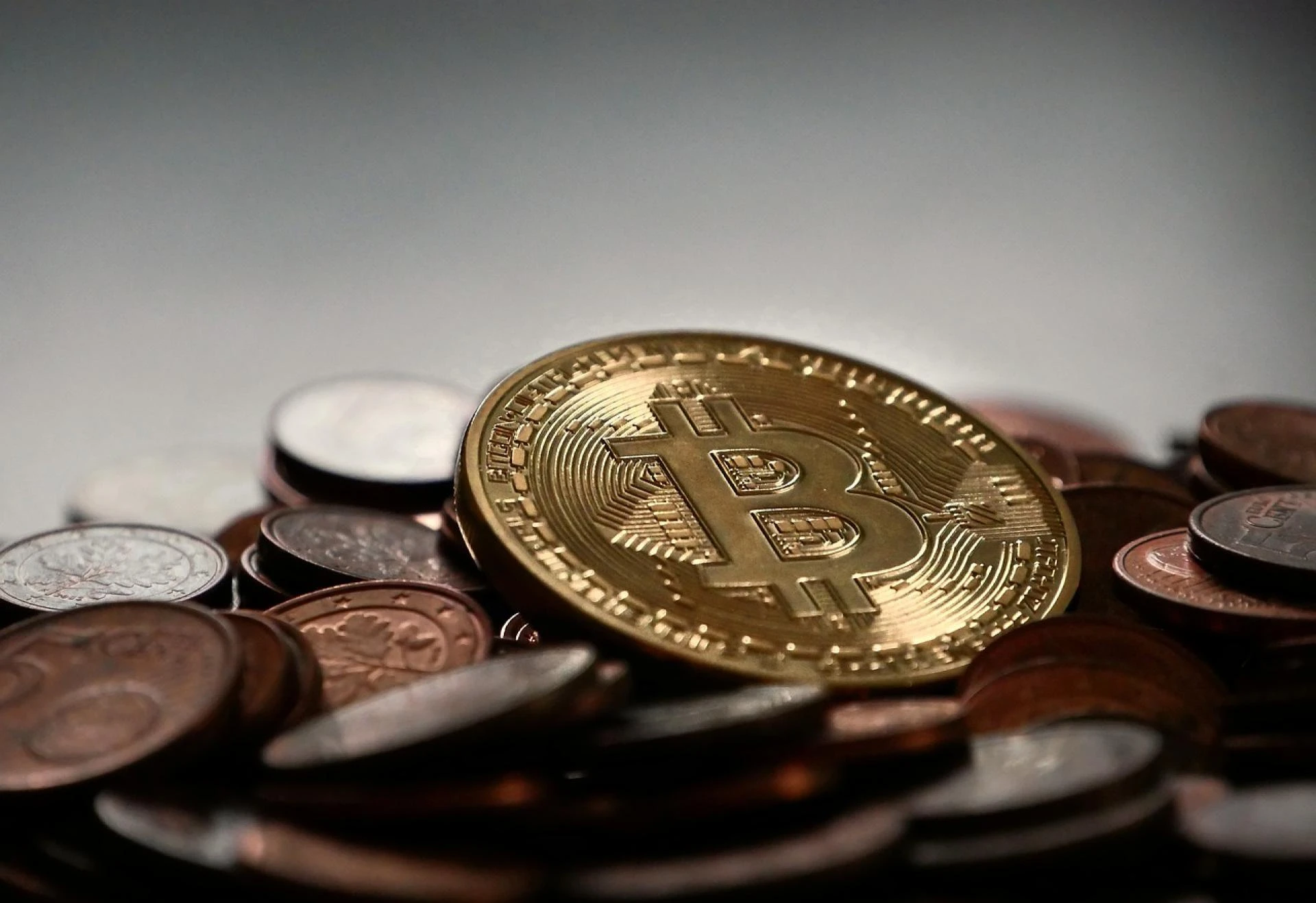

Introduction
Cryptocurrency, a digital or virtual form of currency that utilizes cryptography for secure financial transactions, has been gaining significant popularity worldwide. In Pakistan, this trend has also caught the attention of many individuals and investors. In this article, we will explore the growing adoption of cryptocurrency in Pakistan and address important questions surrounding its use, including the perspective of Waqar Zaka and its compatibility with Islamic principles.
Understanding Cryptocurrency
1.1 What is Cryptocurrency?
Cryptocurrency is a decentralized form of digital or virtual currency that uses cryptography for secure transactions. Unlike traditional currencies issued by governments, cryptocurrencies operate on a technology called blockchain, which ensures transparency and immutability.
1.2 How Does Cryptocurrency Work?
Cryptocurrencies work on a decentralized network of computers, where transactions are recorded on a public ledger called the blockchain. Each transaction is encrypted and linked to the previous one, forming a chain of blocks. This technology ensures that transactions are secure and cannot be altered fraudulently.
1.3 Types of Cryptocurrencies
There are thousands of cryptocurrencies available, with Bitcoin being the first and most well-known. Other popular cryptocurrencies include Ethereum, Ripple, Litecoin, and many more, each with its unique features and use cases.
The Rise of Cryptocurrency in Pakistan
2.1 Cryptocurrency Trends in the Country
In recent years, Pakistan has witnessed a surge in cryptocurrency adoption. More people are showing interest in digital assets as an alternative investment and means of payment.
2.2 Factors Driving Adoption in Pakistan
Several factors contribute to the growing popularity of cryptocurrencies in Pakistan. These include increasing internet penetration, the ease of access to cryptocurrency platforms, and the potential for high returns on investment.
2.3 Key Players in the Pakistani Cryptocurrency Market
As the demand for cryptocurrencies rises, various cryptocurrency exchanges and platforms have emerged in Pakistan. These platforms play a vital role in facilitating the buying, selling, and trading of digital assets.
Challenges and Opportunities
3.1 Regulatory Concerns
The lack of clear regulations surrounding cryptocurrencies in Pakistan poses challenges for both users and businesses operating in the crypto space. Regulatory uncertainties can lead to potential risks and hinder the industry's growth.
3.2 Security and Cybersecurity Issues
The decentralized nature of cryptocurrencies can make them attractive targets for hackers and cybercriminals. Ensuring the security of digital assets and personal information remains a crucial concern.
3.3 Opportunities for Economic Growth
Despite challenges, the adoption of cryptocurrencies also presents opportunities for economic growth. By embracing blockchain technology and innovative financial solutions, Pakistan can potentially enhance financial inclusion and attract investment.
Waqar Zaka's Influence on Cryptocurrency
4.1 Waqar Zaka's Advocacy for Cryptocurrency
Waqar Zaka, a prominent media personality and social influencer in Pakistan, has been a vocal advocate for cryptocurrency adoption. He has played a significant role in promoting awareness and education about digital assets.
4.2 His Efforts to Promote Cryptocurrency in Pakistan
Waqar Zaka has been actively involved in various initiatives to encourage the use of cryptocurrencies in Pakistan. His efforts include organizing educational campaigns, advocating for friendlier regulations, and encouraging businesses to accept digital assets.
Cryptocurrency and Islamic Finance
5.1 Is Cryptocurrency Halal in Islam?
The compatibility of cryptocurrencies with Islamic principles has been a subject of debate among scholars. While some argue that cryptocurrencies can be Halal (permissible) under certain conditions, others raise concerns about their speculative nature.
5.2 Scholarly Opinions on Cryptocurrency in Islamic Finance
Various Islamic scholars have expressed their opinions on the use of cryptocurrencies from an Islamic finance perspective. These opinions may vary, and it is essential for individuals to seek guidance from reputable religious authorities.
Educating the Masses about Cryptocurrency
6.1 Importance of Awareness and Education
To ensure responsible adoption of cryptocurrencies, raising awareness and providing education about blockchain technology, trading practices, and security measures are vital.
6.2 Initiatives for Spreading Awareness in Pakistan
Several organizations and individuals, including Waqar Zaka, are actively involved in initiatives to spread awareness about cryptocurrencies in Pakistan. Workshops, seminars, and online campaigns are conducted to educate the masses.
The Role of Government and Regulations
7.1 Government's Stance on Cryptocurrency
The Pakistani government is carefully considering the regulation of cryptocurrencies to balance innovation with investor protection and financial stability.
7.2 Potential Regulatory Framework in Pakistan
Establishing a well-defined regulatory framework for cryptocurrencies can provide clarity to users and businesses, encouraging responsible adoption and fostering the growth of the industry.
Cryptocurrency Exchanges and Wallets
8.1 Popular Cryptocurrency Exchanges in Pakistan
Several cryptocurrency exchanges operate in Pakistan, providing platforms for users to buy, sell, and trade digital assets. Users should use reputable exchanges with robust security measures.
8.2 Securing Your Cryptocurrency with Wallets
Cryptocurrency wallets play a crucial role in safeguarding digital assets. Hardware wallets, software wallets, and paper wallets are some of the options available to users for securely storing their cryptocurrencies.
Future Prospects of Cryptocurrency in Pakistan
9.1 Projected Growth and Development
With the growing interest in cryptocurrencies, Pakistan's crypto market is expected to witness continued growth, attracting more investors and businesses.
9.2 Challenges to Overcome for Mass Adoption
Addressing regulatory uncertainties, enhancing cybersecurity, and educating the public are essential steps to overcome challenges and achieve widespread cryptocurrency adoption in Pakistan.
Conclusion
Cryptocurrency adoption in Pakistan has seen remarkable progress, driven by a combination of factors, including technological advancements, increasing awareness, and influential personalities like Waqar Zaka advocating for digital assets. As the nation moves forward, addressing regulatory concerns and fostering financial literacy will be crucial for harnessing the full potential of cryptocurrencies and blockchain technology. Embracing this transformative technology responsibly can contribute to a more inclusive and digitized financial ecosystem in Pakistan.
FAQs
Q1: Is cryptocurrency legal in Pakistan? A1: As of the latest information, the legal status of cryptocurrencies in Pakistan is not clearly defined. The government has shown cautious interest in regulating digital currencies.
Q2: How can I buy cryptocurrency in Pakistan? A2: There are several cryptocurrency exchanges operating in Pakistan where you can buy and trade digital assets. However, ensure that you comply with any potential regulations and use reputable platforms.
Q3: Is cryptocurrency trading safe? A3: Cryptocurrency trading carries risks, including market volatility and security concerns. It is essential to educate yourself, use secure wallets, and exercise caution while trading.
Q4: Can I use cryptocurrency for online transactions in Pakistan? A4: Some businesses in Pakistan have started accepting cryptocurrencies as a form of payment. However, it is not yet widely adopted, and traditional payment methods remain dominant.
Q5: What are the tax implications of cryptocurrency transactions in Pakistan? A5: As cryptocurrency regulations are still evolving, the tax treatment of digital assets may vary. It is advisable to consult with a tax expert for accurate guidance











Sign in to leave a comment.