
Custom apparel plays a clear role in sports, community events, schools, and casual group activities across Canada. People use printed clothing to show team identity, support causes, and create a sense of belonging. When clothing is well made and fits properly, it becomes something people want to wear again, not just once.
Printed apparel needs to balance comfort, durability, and clear design. Poor fabric choice or weak print quality leads to fading, cracking, and clothing that sits unused. Careful planning helps avoid these issues and leads to better long-term results.
Understanding T-shirt Printing for Everyday Use
T-shirt printing remains one of the most common ways to create custom clothing. T-shirts suit many settings, from school activities to charity events and casual team wear. They are easy to size, simple to distribute, and comfortable in different seasons.
Good printing starts with the right shirt material. Cotton blends feel soft and breathe well. Heavier fabric holds shape better after washing. Print placement matters too. Chest prints stay visible. Back prints work well for team names or numbers.
Clear artwork helps prints last longer. Designs with clean lines tend to age better than very fine detail. This keeps shirts looking neat after repeated use.
Sports Jerseys and Team Identity
Team jerseys carry strong meaning. Players wear them during games, training, and travel. Supporters wear them to show loyalty. Jerseys need to handle movement, sweat, and regular washing.
Custom hockey jerseys are designed for colder environments and physical play. They use thicker fabric and allow room for protective gear. Names and numbers must stay readable even during fast action.
Hockey jerseys often include layered designs. This requires accurate printing so colours stay solid and edges remain sharp. A well-made jersey becomes part of the team’s image both on and off the ice.
Versatility of Custom Jerseys Across Sports
Many teams prefer custom jerseys that work for multiple uses. These jerseys suit training sessions, friendly matches, and promotional events. Flexibility helps teams manage costs while keeping a consistent look.
Fit matters across age groups. Youth teams need lighter fabric and simpler sizing. Adult teams often prefer a more fitted style. Breathable material improves comfort during long sessions.
Clear logos and numbering support easy identification. This helps officials, spectators, and team staff during events.
Baseball Jerseys and Seasonal Use
Baseball jerseys have a distinct style and purpose. Custom baseball jerseys often feature button fronts and lighter fabric. These features help players stay comfortable during warm weather.
Team branding usually appears across the chest. Player names and numbers appear on the back. Balance is important so the jersey does not feel crowded.
Baseball teams often use jerseys for both games and public appearances. Strong stitching and colour stability help maintain a clean look across the season.
Soccer Jerseys and Performance Needs
Soccer requires constant movement and endurance. Custom soccer jerseys focus on lightweight fabric and moisture control. Players need clothing that stays comfortable for full matches.
Designs tend to stay simple so team colours stand out clearly. Sponsors and numbers must remain visible from a distance. Tight spacing between elements can cause confusion during play.
Soccer jerseys often see heavy use. Good printing resists cracking and peeling even with frequent washing.
Choosing the Right Printing Method
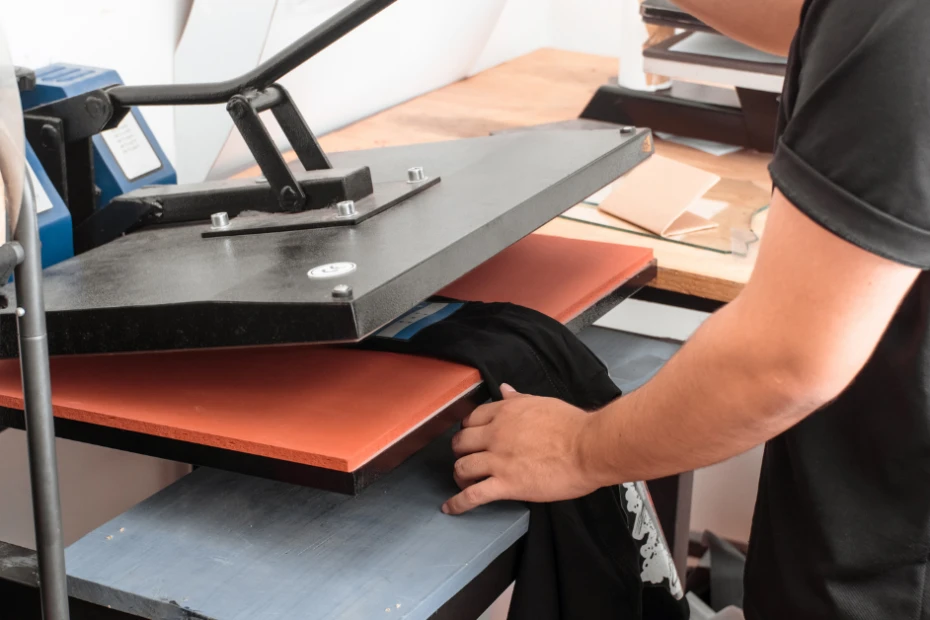
Different printing methods suit different needs. Screen printing works well for large orders with simple designs. Heat transfer suits smaller batches and detailed graphics. Each method affects feel, durability, and cost.
Colour count plays a role. Fewer colours reduce complexity and help prints last longer. Bright colours need proper curing to avoid fading.
Artwork preparation matters. High-quality files lead to cleaner prints. Low-resolution images reduce clarity and detail.
Fabric Selection and Comfort
Fabric choice impacts how often clothing gets worn. Rough material discourages use. Breathable fabric improves comfort during activity.
Sports jerseys often use synthetic blends for moisture control. Casual shirts may use cotton blends for softness. Matching fabric to use helps avoid discomfort.
Stretch and weight should suit the activity. Heavy fabric feels restrictive during sport. Light fabric works better for active use.
Sizing and Fit Considerations
Accurate sizing avoids waste. Poor sizing leads to unused clothing. Providing size ranges helps teams plan orders.
Unisex sizing works for mixed groups. Youth sizing helps school teams. Clear size charts reduce mistakes.
Proper fit improves confidence. When people feel comfortable, they wear the clothing more often.
Care and Longevity
Printed clothing lasts longer with basic care. Cold washing reduces fading. Turning garments inside out protects prints. Air drying reduces wear.
Clear care instructions help users maintain quality. This protects the look and feel of the clothing over time.
Durable printing saves money in the long run. Replacing worn items costs more than choosing quality from the start.
Practical Planning for Better Results
Good planning starts with purpose. Identify where and how the clothing will be used. Choose design, fabric, and print method based on that use.
Testing samples helps avoid mistakes. Seeing the final product before full production ensures expectations match results.
Custom apparel works best when comfort and clarity come first. Simple designs and strong materials lead to clothing people enjoy wearing again and again.


































Sign in to leave a comment.