

Custom Biker Vest: Personalize Your Motorcycle Style
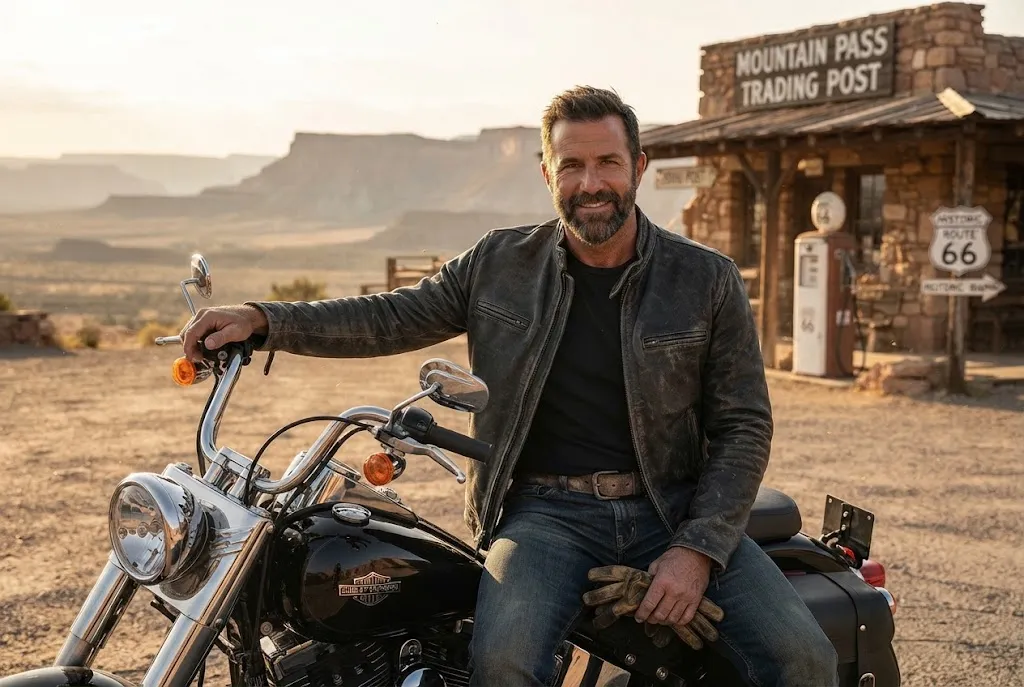
Few pieces of riding gear carry as much personality as a Custom Biker Vest. It's the one item in a rider's wardrobe that grows with them, mile after mile, patch after patch, until it becomes something no factory shelf could ever offer. At Elite Vest, we believe a vest should tell a story, not just cover a shirt and that belief shapes everything about how a truly personalized biker vest comes together.
A stock vest off the rack can look sharp, but it rarely says anything about the person wearing it. The moment you start shaping a biker vest around your own history your club, your travels, your milestones it stops being an accessory and becomes an identity. This is why so many riders spend years, not weeks, building out their vest rather than rushing the process.
Why Riders Choose to Customize
Motorcycle culture has always valued individuality over uniformity, and the biker vest is where that value shows up most visibly. Unlike a jacket that covers the arms and torso, a vest leaves plenty of open canvas across the back and chest prime territory for patches, pins, and stitched artwork that reflect a rider's journey.
A biker leather vest in particular holds up well to years of pinning, unpinning, and repositioning without the material breaking down. That durability matters, because customization isn't usually a one-time event. Riders add to their vest over time: a patch from a cross-country ride, a memorial patch for a fallen friend, club colors earned through years of membership. The vest becomes less like clothing and more like a scrapbook worn on the body.
Building the Foundation Right
Before adding a single patch, the base vest itself needs to be built for the long haul. A motorcycle club vest that's meant to carry heavy stitched patches on the back panel needs reinforced seams and a sturdy backing otherwise the weight of the artwork will pull at the leather over time and shorten its life.
Here's what separates a vest built for customization from one that isn't:
- Reinforced back panel — supports large club or event patches without sagging
- Double-stitched seams — holds up against the repeated pinning and repositioning that customization requires
- Snap or lace side closures — allows the fit to adjust as layers underneath change with the season
- Interior pocket structure — keeps essentials secure without disrupting the vest's exterior canvas
Getting this foundation right from the start saves riders from having to transfer years of patchwork onto a new vest down the line, which is never an easy task.
Patch Placement and Meaning
There's an unwritten code among riders about where patches go, and it's worth understanding before you start pinning things on. Center back patches are typically reserved for club identity or the largest, most significant piece of artwork. Smaller patches rocker patches, rank indicators, memorial pieces tend to sit above or below that central design, framing it rather than competing with it.
The front of the vest usually carries smaller, more personal touches: a name patch, a hometown, or a small emblem tied to a specific ride or event. This layout isn't arbitrary it developed over decades of biker culture and gives every vest a familiar visual language that other riders instantly recognize, even if the specific meaning behind each patch is personal.
Choosing Materials That Age Well
A custom vest isn't something most riders replace often, which means the material needs to age gracefully rather than just look good on day one. Full-grain leather develops a natural patina with sun exposure and wear, deepening in tone rather than looking worn out. This is part of why so many long-time riders prefer a biker vest that shows its age it visually reflects years of riding rather than hiding them.
For riders who want a lighter option, especially in warmer climates, a leather vest with lighter weight construction still holds patches well without feeling heavy across the shoulders on longer rides. The key is choosing a vest that balances structure with comfort, since a vest that's too stiff can be uncomfortable over long hours in the saddle, while one that's too soft may not hold pinned patches securely.
Making It Truly Yours
Customization goes beyond patches for many riders. Some add custom stitching along the collar, personalized name plates, or hand-tooled leatherwork that reflects a specific theme western motifs, tribal designs, or club-specific artwork. Others keep it minimal, letting a handful of meaningful patches speak for themselves against clean, unadorned leather.
There's no single right way to build a custom biker vest. What matters is that every addition means something to the person wearing it. That's ultimately what separates a personalized vest from a plain one not the number of patches, but the intention behind each one.
Final Thoughts
A biker vest built around personal history isn't just gear, it's a record worn on the body one that grows more meaningful with every mile and every ride shared with others on the road. Whether you're just starting to build yours or adding to years of collected patches, the process itself is part of the tradition. At Elite Vest, we see every custom vest as an ongoing story rather than a finished product, and that's exactly how it should be.





















Sign in to leave a comment.