
Healthcare tech moves at warp speed these days. Remember when AI was sci-fi? Now it's spotting issues like sepsis before doctors even walk in the room. IoT wearables ping vitals straight to your phone. Paper charts? They're history—good riddance to those lost files and scribbles that killed thousands yearly (yeah, Johns Hopkins pegged it at a quarter-million U.S. deaths back in 2016). Custom EHR development isn't hype; it's the spine holding modern medicine together. Global market? $34 billion last year, barreling toward $41 billion by 2028 (Grand View Research numbers).
I talked to a clinic owner in Ohio last month—his team's buried in silos, chasing faxes. No more. Let's break down how to build it right.
The No-Nonsense Build Roadmap
Think of custom EHR development like rebuilding a race car engine. One wrong move, and it crashes. Here's the playbook from folks who've done it (HIMSS and Gartner playbooks).
Step 1: Nail the Idea with Real Talk
Grab docs, nurses, even front-desk folks. Run quick chats or surveys—what bugs them most? Slow labs? Clunky scheduling? One survey showed 62% of docs fume over data hunts (KLAS 2025). Sketch needs on paper first: FHIR for sharing, scalability for growth. Skip this, build junk nobody touches.
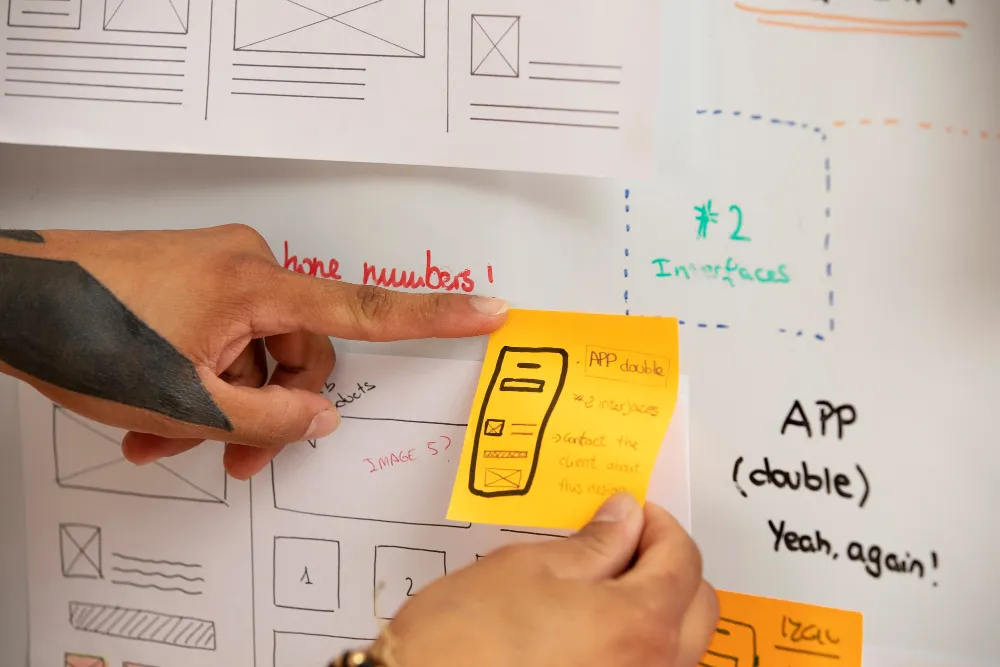
Step 2: Rough Prototype
Whip up a basic version in a month. Buttons, screens, patient flow. Doesn't need polish—just logic. Test with a handful of users. Epic did this early on; tweaks cut their training headaches by 40%. Tools like Figma make it painless.
Step 3: Design That Doesn't Waste Time
Docs want speed, not eye candy. Three clicks max to pull vitals. Mobile-ready since 70% check apps on the go (Statista 2024). Add voice input—saves seconds per note. Aim for usability scores over 80; it's like a well-worn glove.
Step 4: The Heavy Lifting
Backend grind: Secure databases, APIs hooking labs and billing. HIPAA isn't optional—encrypt everything, log every peek. Use React for fronts, Python back. 3-9 months here, tops.
Step 5: Test Till It Begs for Mercy
Hammer it: Fake patient floods, hacker probes (OWASP style), compliance checks. Cleveland Clinic's rig caught 95% glitches early, hitting 99.99% uptime. Go cloud with AWS; monitor forever with Datadog.
Costs Straight Talk (With Numbers)
Depends on your scale—a solo practice vs. a 500-bed hospital? Night and day. From my chats with devs, $50k to $600k+ for solid custom EHR development (Clutch analyzed 200 projects in 2025).
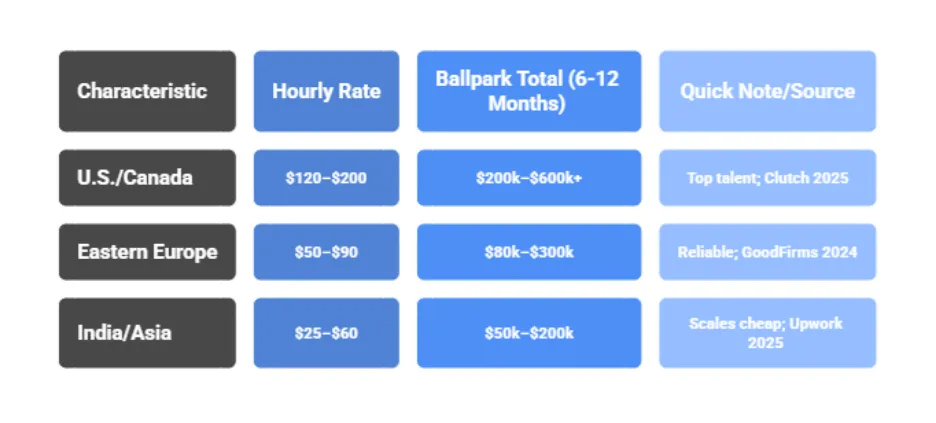
Breaks down like: 10% planning, half on coding (security jacks it), rest testing. Annual upkeep? 15-20%. Smart move: Offshore vets via NASSCOM—saves 50% without headaches. Payback? $37k per staffer in time savings (IDC 2024). Cheap flops cost audits later—don't.
Must-Have Features That Deliver
- FHIR/HL7: Data dances between systems (law now, per Cures Act).
- AI smarts: Flags risks, 85% hit rate (NEJM 2024).
- Bulletproof security: Blockchain logs, 2FA everywhere.
- Patient apps: Slashes no-shows 28% (McKinsey).
Cleveland Clinic? Their build dropped errors 55%, saved $10M (HIMSS 2025).
Wrapping It Up
In this $40B world, paper's poison. Custom EHR software development pays if you focus users, not gimmicks. Pick partners with hospital scars—peek Clutch portfolios. Do it once, right. Teams breathe easier, patients win, you bank efficiency.
Sources: Grand View Research 2024, Statista, HIMSS, Gartner, Clutch.co, KLAS.























Sign in to leave a comment.