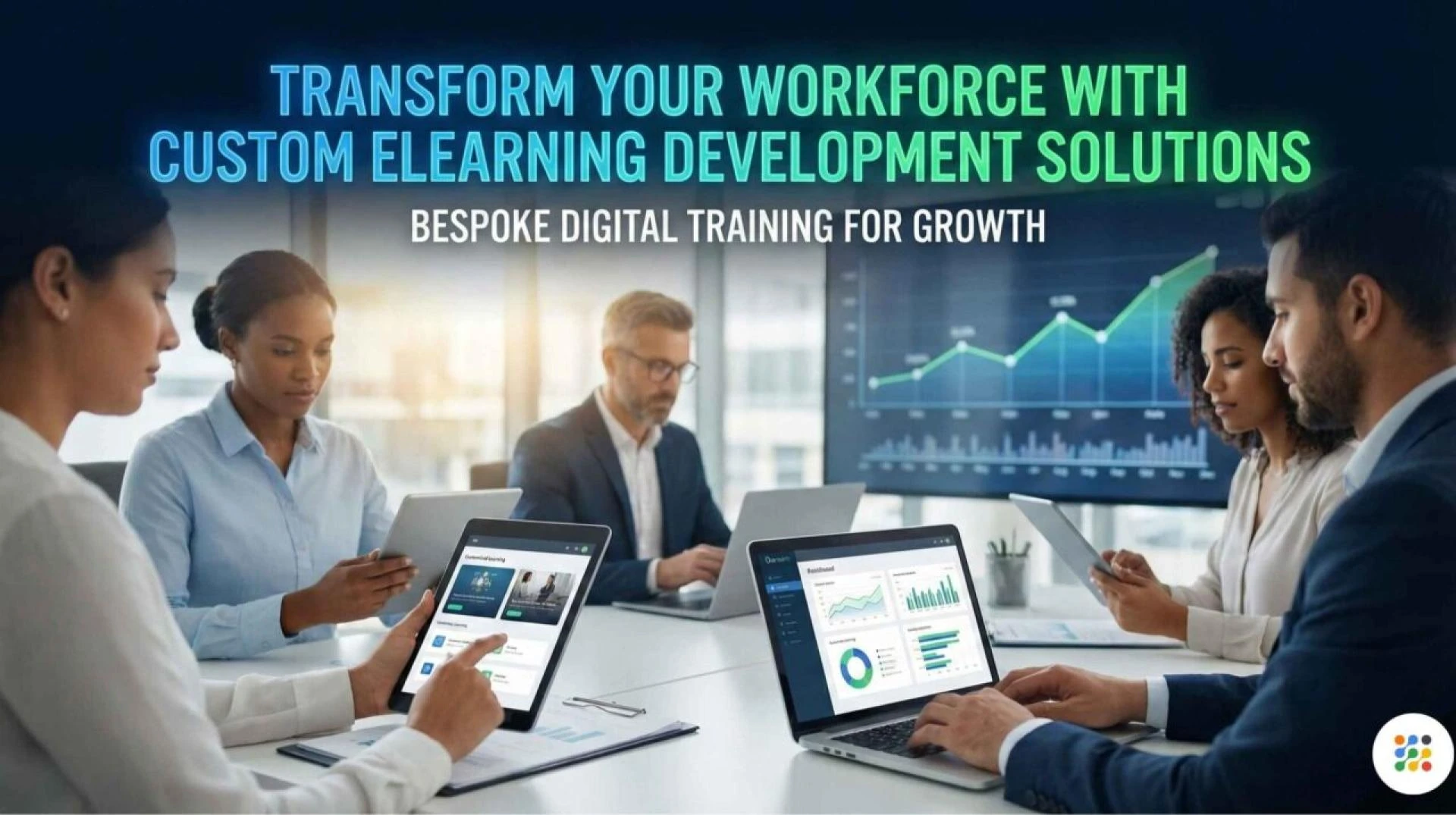
Custom eLearning development is transforming how organizations train employees, educate partners, and deliver knowledge at scale. In today’s digital-first environment, businesses and institutions need learning solutions that are flexible, engaging, and aligned with specific goals. Generic, off-the-shelf courses often fail to address unique learning needs, making customization a critical factor in successful training outcomes.
This blog explores what custom eLearning development is, why it matters, how it works, and how organizations can benefit from tailored digital learning solutions designed for long-term impact.
What is Custom eLearning Development?
Custom eLearning development is the process of designing and building online learning programs specifically tailored to an organization’s objectives, audience, industry, and performance requirements. Unlike pre-built courses, custom eLearning is created from the ground up to reflect real-world scenarios, workflows, branding, and learning goals.
These solutions may include interactive modules, scenario-based learning, simulations, assessments, videos, microlearning units, and mobile-friendly content. The focus is not just on delivering information but on enabling learners to apply knowledge effectively in their roles.
Why Custom eLearning Development Matters
Organizations operate in diverse environments with distinct challenges. A one-size-fits-all training approach often leads to low engagement and poor knowledge retention. Custom eLearning development solves this by aligning learning experiences with actual job roles and performance expectations.
Key reasons why custom eLearning matters include:
- Alignment with organizational goals and KPIs
- Improved learner engagement through relevant content
- Consistent training across locations and teams
- Faster onboarding and upskilling
- Measurable learning outcomes and performance improvement
By focusing on relevance and application, custom eLearning supports meaningful learning rather than passive consumption.
Key Components of Effective Custom eLearning Development
Successful custom eLearning development follows a structured and learner-centric approach. Below are the core components that define high-quality custom solutions.
1. Learning Needs Analysis
The process begins with understanding business goals, learner profiles, skill gaps, and technical constraints. This ensures that the learning strategy is aligned with real organizational needs.
2. Instructional Design Strategy
Instructional design defines how content is structured and delivered. It includes learning objectives, content flow, interaction levels, assessments, and reinforcement techniques to maximize retention.
3. Engaging Content Development
Custom content is designed using real-life scenarios, role-based examples, and interactive elements. This helps learners connect theory with practice.
4. Technology and Platform Compatibility
Custom eLearning development ensures compatibility with learning management systems (LMS), mobile devices, and accessibility standards for a seamless learning experience.
5. Evaluation and Continuous Improvement
Feedback, assessments, and analytics are used to evaluate effectiveness and continuously refine the learning program.
Benefits of Custom eLearning Development for Organizations
Custom eLearning development offers strategic advantages beyond traditional training methods. Some of the most impactful benefits include:
1. Personalized Learning Experiences
Learners engage more deeply when content reflects their job roles, challenges, and environments.
2. Scalability and Flexibility
Once developed, custom eLearning can be deployed across regions, departments, and time zones with minimal incremental cost.
3. Consistent Knowledge Delivery
Every learner receives the same high-quality training, reducing knowledge gaps and inconsistencies.
4. Better Knowledge Retention
Interactive and scenario-based learning improves long-term retention and practical application.
5. Cost Efficiency Over Time
While initial development may require investment, custom eLearning reduces recurring training costs such as travel, instructors, and printed materials.
Industries That Benefit from Custom eLearning Development
Custom eLearning development is highly adaptable and applicable across industries, including:
- Corporate and enterprise training
- Healthcare and life sciences
- Manufacturing and safety training
- Education and academic institutions
- Finance and compliance-driven sectors
- Technology and software organizations
Each industry benefits from tailored content that addresses regulatory requirements, operational processes, and learner expectations.
Future Trends in Custom eLearning Development
The field of custom eLearning development continues to evolve with emerging technologies and learning methodologies. Key trends include:
- Microlearning for just-in-time training
- Mobile-first learning experiences
- Gamification to boost engagement
- Data-driven personalization
- AI-assisted learning pathways
Organizations investing in custom eLearning today are better positioned to adapt to future learning demands.
FAQs on Custom eLearning Development
1. What is custom eLearning development?
Custom eLearning development is the creation of tailored online learning solutions designed to meet specific organizational goals and learner needs.
2. How is custom eLearning different from ready-made courses?
Custom eLearning is built specifically for an organization, while ready-made courses are generic and designed for broad audiences.
3. Who should use custom eLearning development?
Organizations that require targeted training, role-specific learning, or industry-specific content benefit the most.
4. Is custom eLearning scalable?
Yes, once developed, it can be easily scaled across teams, locations, and learner groups.
5. How long does custom eLearning development take?
Timelines vary based on complexity, content volume, and interactivity, but it typically follows a structured development process.
6. Can custom eLearning support compliance training?
Yes, it is especially effective for compliance and regulatory training as content can be tailored to exact requirements.
7. Is custom eLearning suitable for remote teams?
Absolutely. Custom eLearning supports distributed and remote workforces with consistent training delivery.
8. How is learner performance measured?
Through assessments, analytics, completion rates, and performance tracking within the LMS.
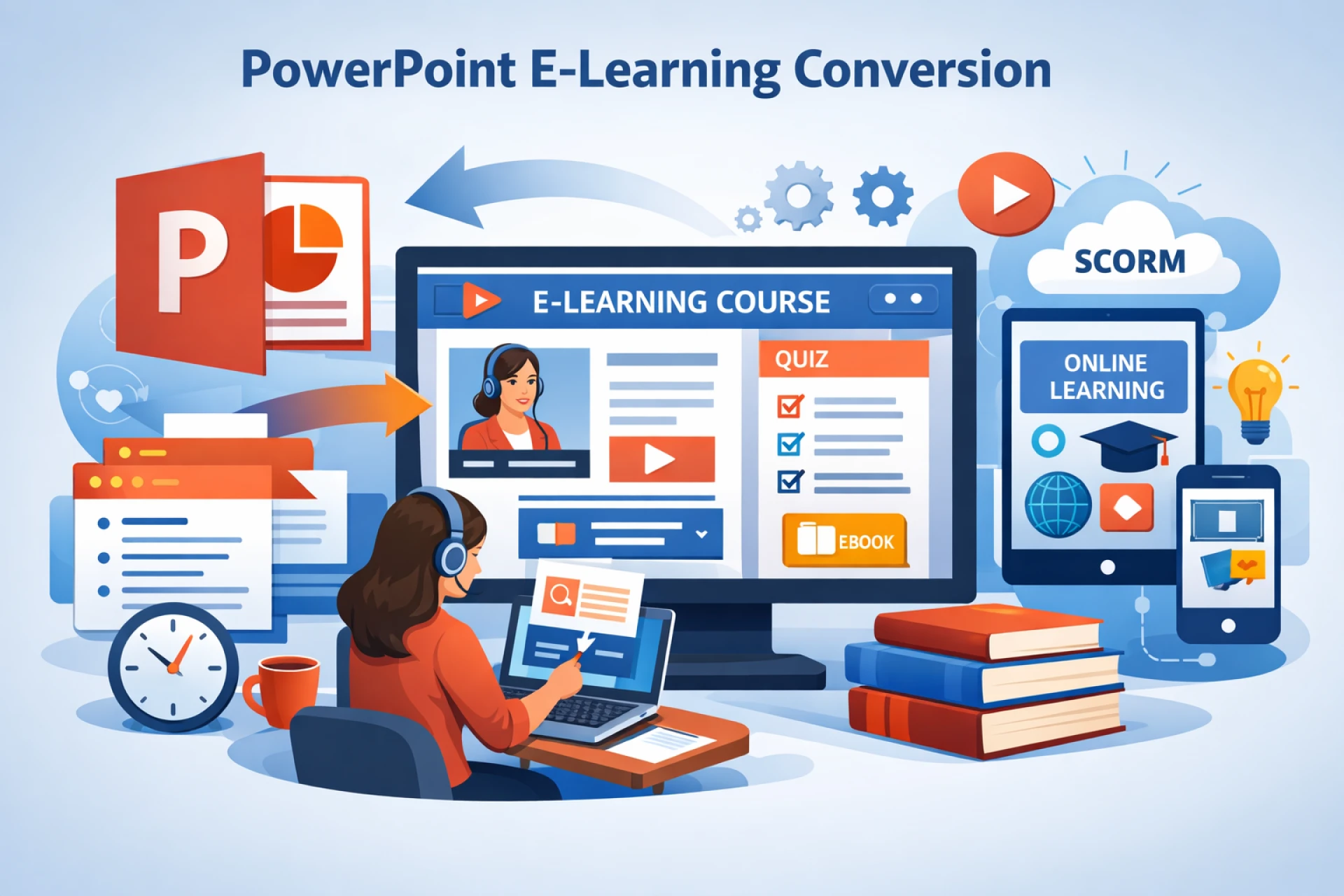
9. Can existing content be converted into custom eLearning?
Yes, classroom materials and documents can be transformed into engaging digital learning experiences.
10. Does custom eLearning support continuous learning?
Yes, it enables ongoing updates, refreshers, and skill development over time.
Conclusion
Custom eLearning development is a powerful approach to building effective, engaging, and scalable digital learning experiences. By focusing on organizational goals, learner needs, and measurable outcomes, custom solutions deliver long-term value and improved performance. As digital learning continues to evolve, investing in customized eLearning ensures relevance, flexibility, and sustained impact. Contact us today!
IKHYA e-learning solution company.
























Sign in to leave a comment.