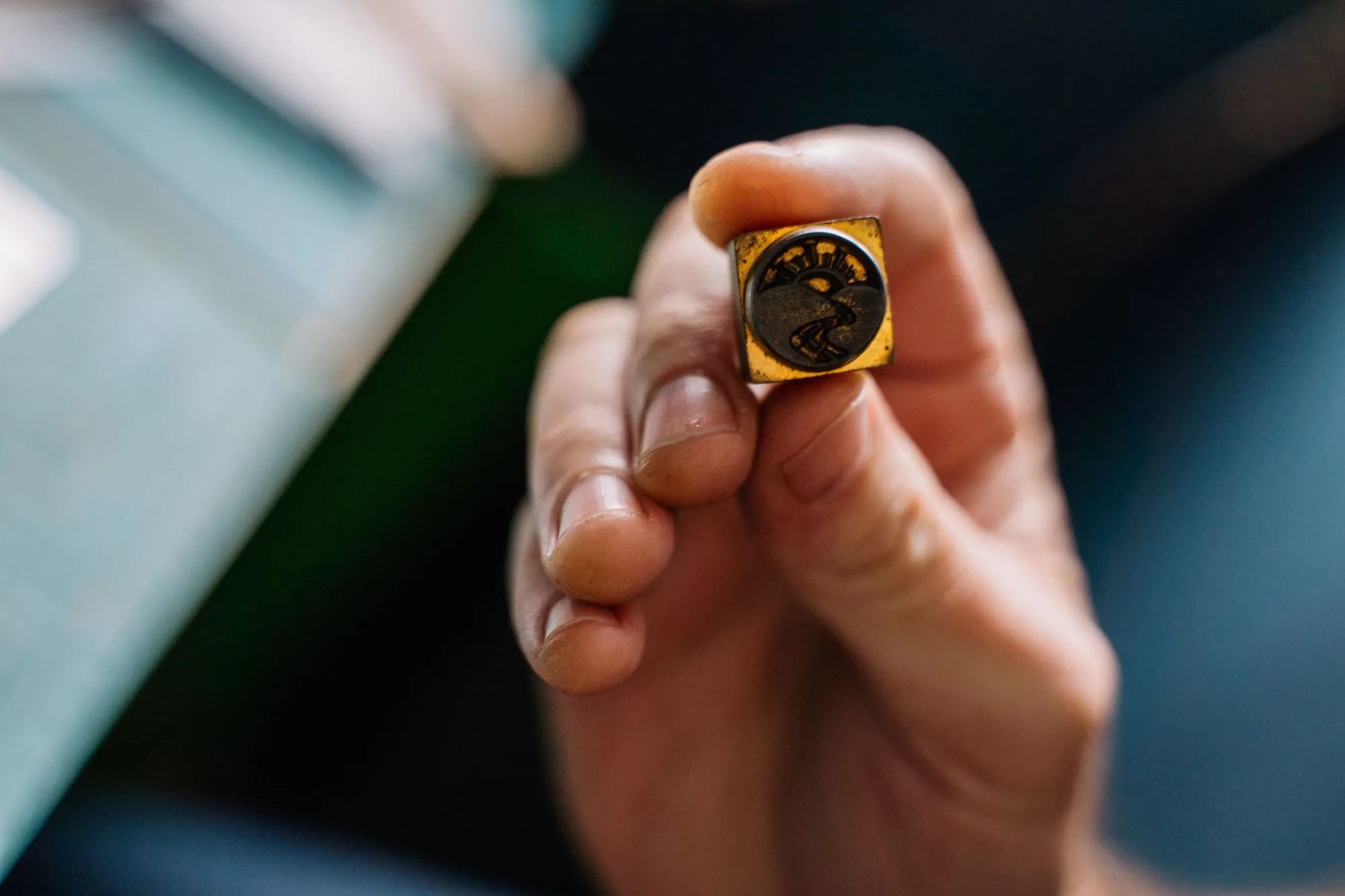

Understanding the Tradition of Custom Hanko
Japan has a long-standing tradition of using personal seals known as hanko or inkan. These unique stamps have been used for centuries as symbols of identity, approval, and authenticity. A hanko is more than just a simple mark; it represents an individual, family, or organization and carries cultural significance in Japanese society.
A Custom Hanko allows individuals to create a personalized seal that reflects their name, style, and preferences. Unlike standard designs, custom-made hanko can include specific characters, unique layouts, and carefully selected materials to create a one-of-a-kind stamp.
Although digital communication has changed many traditional practices, hanko remains an important cultural element in Japan. Custom designs are especially popular among people who appreciate Japanese traditions, collectors, businesses, and international visitors looking for a meaningful connection to Japanese culture.

What Makes a Custom Hanko Unique?
A Custom Hanko stands out because every element can be personalized. Traditional hanko stamps are carefully designed by skilled artisans who consider the shape of characters, spacing, and overall balance. Each seal is created with attention to detail to ensure it has a distinctive appearance.
The first important element is the name or characters engraved on the seal. Japanese names are often written using kanji, while foreign names may be represented using katakana or other suitable character styles. Choosing the correct characters is essential because they determine both the meaning and visual appearance of the final design.
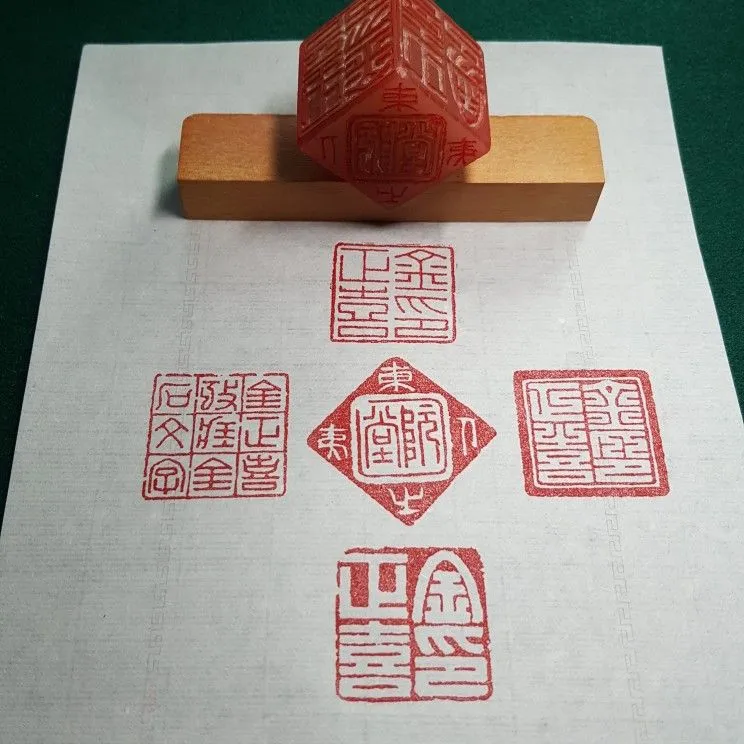
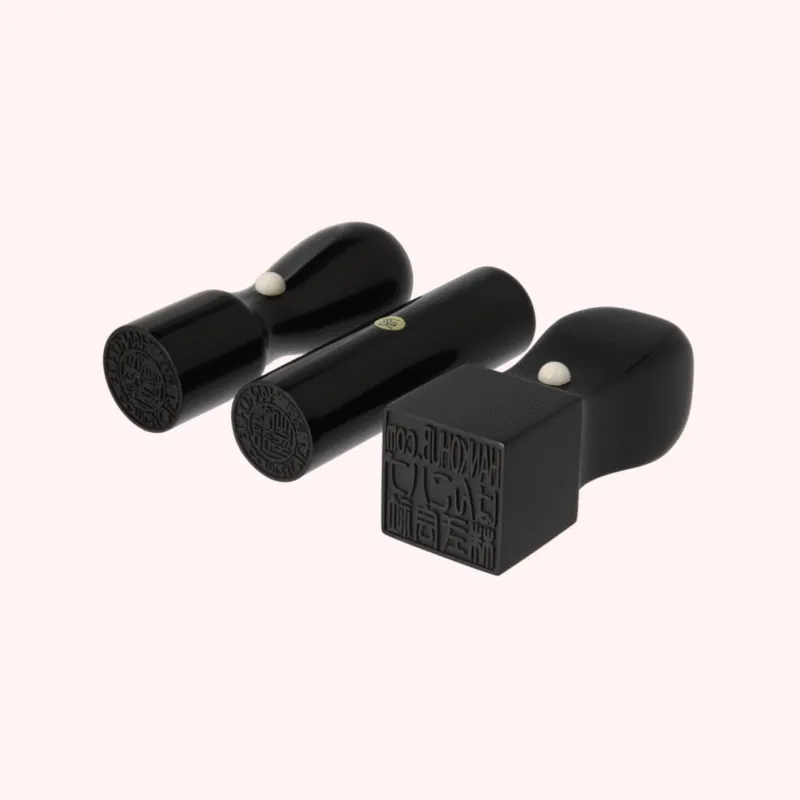
The shape of the stamp is another customization option. Many traditional hanko designs are circular, but other shapes and modern styles are also available. The arrangement of characters, border patterns, and engraving style can all influence the final look.
Materials also contribute to the uniqueness of a custom seal. Hanko can be created from different materials, including wood, stone, acrylic, and other durable options. Each material provides a different texture, appearance, and level of craftsmanship.
Benefits of Choosing a Custom Hanko
One of the main advantages of a Custom Hanko is personalization. Instead of using a generic stamp, individuals can own a design that represents their identity. This makes the seal more meaningful and memorable.
Custom hanko are also popular as gifts. A personalized Japanese seal can be a thoughtful present for birthdays, weddings, cultural events, or special milestones. Because each design is unique, it provides a personal connection that standard gifts may not offer.
For businesses, custom seals can help create a professional image. Companies in Japan often use organizational hanko for documents and approvals. A carefully designed business seal represents professionalism and trust.
Collectors and Japan enthusiasts also appreciate custom hanko because they combine traditional craftsmanship with artistic beauty. Many people enjoy owning a handmade seal as a cultural keepsake or decorative item.
Another benefit is the opportunity to explore Japanese design principles. Creating a custom seal introduces users to concepts such as balance, simplicity, and harmony, which are important elements of Japanese aesthetics.
The Process of Creating a Custom Hanko
Creating a Custom Hanko usually begins with selecting the name or characters that will appear on the seal. For Japanese users, this may involve choosing specific kanji characters. International users often select appropriate katakana versions of their names.
After selecting the characters, the design process begins. Skilled craftsmen carefully arrange the characters to create a balanced and attractive composition. The spacing, stroke thickness, and overall structure are adjusted to achieve a harmonious appearance.
The material selection comes next. Different materials provide different experiences, from traditional wooden designs to modern and durable alternatives. The choice depends on personal preference, intended use, and budget.
Once the design is finalized, the characters are engraved onto the surface of the stamp. Traditional carving requires precision and experience because every line affects the final appearance of the seal.
After completion, the hanko is usually tested to ensure the impression is clear and visually balanced. A finished custom seal combines craftsmanship, personal meaning, and traditional Japanese design.
Uses of Custom Hanko in Daily Life and Creative Projects
Custom Hanko has various uses depending on the purpose and user’s needs. In Japan, official hanko may be used for important documents, contracts, banking procedures, and administrative tasks.
Outside Japan, custom seals are often used for creative and personal purposes. Artists may use them as personal signatures on paintings, illustrations, or handmade products. The unique appearance of a Japanese seal adds authenticity and character to creative work.
Businesses can also incorporate custom hanko designs into branding materials, packaging, certificates, and promotional content. The traditional appearance of a Japanese seal can create a distinctive visual identity.
Travelers and Japan lovers often purchase custom hanko as souvenirs. A personalized seal provides a meaningful reminder of Japanese culture and can become a unique collectible item.
Digital designers also use custom hanko-inspired graphics for websites, logos, social media content, and digital artwork. These designs combine traditional Japanese elements with modern creativity.
Choosing the Right Custom Hanko Design
Selecting the right Custom Hanko requires considering several factors. The first consideration is the purpose of the seal. A decorative stamp may allow more creative freedom, while a professional seal may require a more formal design.
The choice of characters is also important. Users should ensure that names are accurately translated and culturally appropriate. Working with experienced designers or craftsmen can help avoid mistakes.
Material quality should also be considered. A well-made seal should provide clear impressions and remain durable over time. Choosing a reliable maker ensures better craftsmanship and long-lasting results.
The design style should reflect personal taste. Some people prefer traditional and elegant designs, while others may choose modern styles with unique patterns and creative arrangements.
Conclusion
A Custom Hanko represents a beautiful combination of tradition, identity, and craftsmanship. More than just a stamp, it reflects personal expression and the rich cultural history of Japanese seal-making.
Whether used for official purposes, creative projects, business branding, or personal collections, a custom-designed hanko offers a unique connection to Japanese culture. With personalized characters, carefully selected materials, and artistic designs, each seal becomes a meaningful representation of the person or organization behind it.
As interest in Japanese traditions continues to grow worldwide, Custom Hanko remains a timeless symbol of authenticity, creativity, and personal identity.
























Sign in to leave a comment.