

If you've spent any time browsing home design inspiration lately, you've probably noticed a shift. The stark, ultra-modern interiors that dominated the last decade are softening. In their place, homeowners are gravitating toward something warmer, more livable, and less tied to a single trend cycle. Designers call this transitional style, and it's quietly become one of the most requested aesthetics for luxury builds across Ontario.
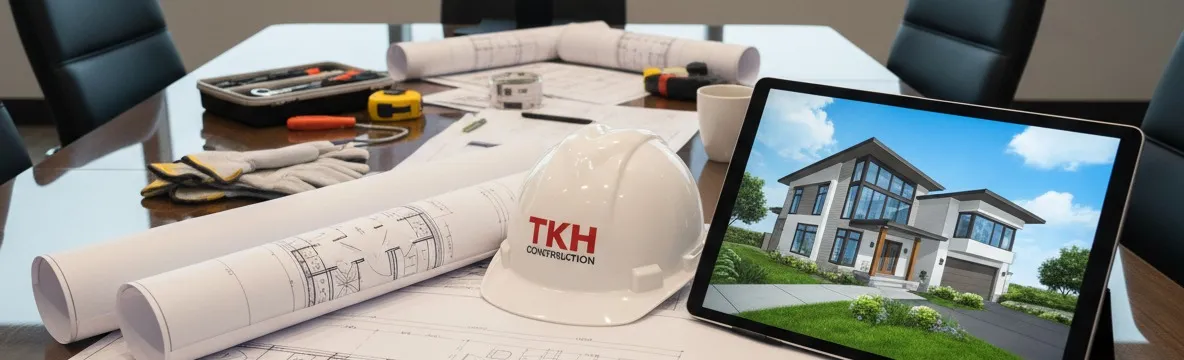
For anyone planning a custom home, understanding what transitional design actually means and why it holds up better over time than purely modern or purely traditional interiors can save years of second-guessing. It's also a conversation worth having early with a custom home builder in Cambridge, Ontario, since the structural bones of a house need to support this style long before painting colors or furniture ever enter the picture.
What Transitional Design Actually Means
At its core, the style sits deliberately between two worlds: the clean lines and minimalism of contemporary design, and the warmth, detail, and craftsmanship of traditional design. A well-executed transitional custom home design borrows the best of both without leaning too far in either direction, giving homeowners a look that feels curated rather than forced into one camp.
A few defining characteristics:
- Neutral, layered color palettes — think warm whites, greiges, and soft taupes rather than stark white or heavy jewel tones
- A mix of materials — natural wood alongside metal or stone, rather than an all-glass-and-steel approach
- Simplified traditional forms — crown molding without ornate detailing, paneled doors without heavy carving
- Comfortable, tailored furniture — clean silhouettes with softer upholstery and texture
The result is a home that feels current without feeling trendy, and elegant without feeling formal or dated.
Why It Works So Well for Luxury Builds
There's always been one core challenge with high-end custom home design: trends move faster than construction timelines. A fully custom home can take a year or more from groundbreaking to move-in, and homeowners often live in the space for decades afterward. A design language that's too tied to a specific moment risks feeling stale within a few years.
Transitional style avoids that trap for a few practical reasons:
It ages gracefully. Because it isn't chasing a specific trend, transitional interiors don't date the way heavily stylized spaces do. A kitchen with shaker cabinets, a mixed-material island, and warm neutral tones will still look intentional a decade from now.
It's flexible for resale. Luxury buyers are often looking for a blank enough canvas that they can see themselves in the space, but not so bare that it feels unfinished. Transitional design tends to appeal across a wider range of tastes than strict modern or strict traditional interiors.
It accommodates real life. Families tend to want durability and comfort as much as style. Transitional spaces typically use more forgiving materials and layouts than ultra-minimalist modern homes, which can be less practical for daily living.
Where the Builder's Expertise Actually Matters
Interior finishes get most of the attention, but transitional design starts with architecture. Ceiling heights, window proportions, sightlines between rooms, and how natural light moves through a space all determine whether the finished interior reads as balanced or busy.
This is where working with an experienced custom home builder in Cambridge, Ontario becomes less about executing a Pinterest board and more about problem-solving. A builder familiar with this style will typically flag things early, such as:
- Whether proposed window sizes support the amount of natural light the design calls for
- How structural elements like beams or load-bearing walls can be finished to look intentional rather than obstructive
- Where mixed materials (wood, stone, metal) can transition cleanly without awkward seams
- How mechanical systems can stay hidden in a home with fewer places to disguise them, given transitional design's simpler lines
TKH Construction, based in Cambridge, has seen this play out repeatedly on custom projects where clients arrive with a general sense of "warm but modern" and need help translating that into actual architectural decisions — from ceiling treatments to how a kitchen island interacts with sightlines from the main living space.
Getting Started: Questions Worth Asking Early
Before finalizing floor plans, it's worth discussing:
- What's the balance you want between traditional warmth and modern simplicity?
- Which rooms should feel more formal, and which should feel more relaxed?
- How much natural material (wood, stone) do you want as a visual anchor?
- Are there structural elements (beams, columns, vaulted ceilings) you want to keep exposed rather than hidden?
Answering these before construction begins tends to prevent costly mid-project changes later.
Frequently Asked Questions
What's the difference between transitional and modern design?
Modern design emphasizes minimalism, clean lines, and often cooler tones. Transitional design uses similar clean lines but adds warmth through natural materials, softer textures, and traditional architectural details in simplified form.
Is transitional design more expensive than other styles?
Not inherently. Cost depends more on material choices and finish quality than the design style itself. Transitional design can be executed at a range of budgets.
Does transitional design work for smaller custom homes, or only large luxury builds?
It works at any scale. The core principles — balanced materials, neutral palettes, simplified traditional details — apply just as well to a modest custom home as to a large estate.
How involved should a builder be in interior design decisions?
Significantly more than most homeowners expect. Structural choices made early (window placement, ceiling height, room proportions) directly affect which design styles will actually work well in the finished space.
The Takeaway
Transitional design has staying power because it doesn't ask homeowners to commit fully to one aesthetic extreme. It offers warmth without clutter, structure without rigidity, and a look that tends to age well rather than date quickly. For anyone planning a luxury custom build, the earlier this conversation happens with your architect and builder, the more seamlessly it translates from concept to finished home.


















Sign in to leave a comment.