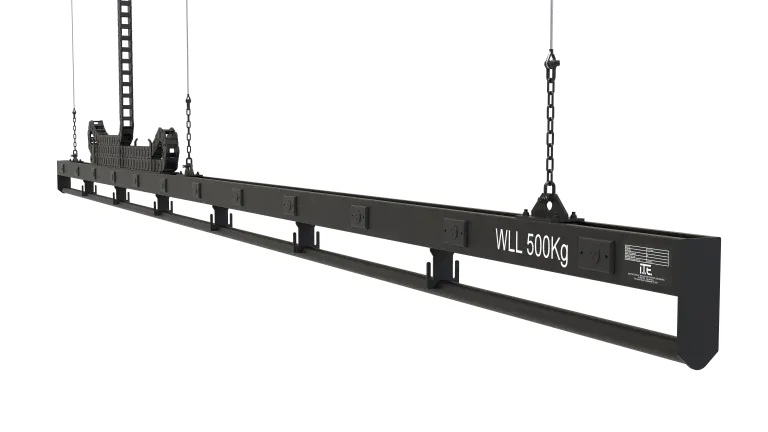

Get the lighting right and half your production problems disappear. Get the rigging wrong, and it doesn't matter how good your fixtures are — nobody's going to trust the system enough to use it properly.
That's really what custom lighting bars are about. Not the fixtures themselves, but the structure that holds them, positions them and lets technicians actually do their jobs without fighting the space.

What is a lighting bar, exactly?
At its simplest, a lighting bar is a horizontal support used to mount fixtures above or around a stage. You'll find them in theatres, school auditoriums, churches, concert venues, studios — anywhere lighting needs to be positioned with some precision rather than just propped up on a stand.
A single bar might carry LED stage lights, Fresnels, profile spots, moving lights, floodlights or wash fixtures — often a mix of all of them, depending on what the production calls for. On larger jobs, the bar isn't really a standalone item at all; it's one piece of a bigger rigging and stage engineering package that also covers curtains, machinery and other overhead systems.
The main thing that separates a good lighting bar from a mediocre one is whether it was designed around the venue, or whether the venue is expected to make do with something off the shelf.
Why bother with a proper lighting bar system?
A few reasons keep coming up when venues talk to us about this.
Fixture positioning actually becomes flexible. Front light, backlight, side light, overhead — technicians can hit all of it without improvising.
The stage looks and works as planned. Instead of fixtures scattered wherever there happened to be a mounting point, everything sits on a coherent system.
Different shows, same rig. A venue that hosts a school play one month and a touring concert the next needs a setup that can be reconfigured without a full rebuild each time.
You're not wasting ceiling space. This matters more than people expect, especially in older buildings or awkward architectural layouts where every metre of clearance counts.
Upgrades don't mean starting over. When it's time to swap old fixtures for newer LED or intelligent lighting, a well-built support system just takes the new gear — it doesn't force a redesign.
Not all lighting bars are the same
Picking the right type comes down to how the venue is actually used, not what looks impressive on paper.
- Fixed bars stay put. Good fit if your lighting positions don't change much show to show.
- Adjustable bars give you room to move fixtures around as productions change.
- Motorised bars raise and lower on a lift, which cuts down on ladder time and makes maintenance a lot less risky for the crew.
- Custom bars are built to the venue's own dimensions, loads and quirks — usually the right call for anything beyond a straightforward space.
How installation actually goes
Every project is a little different, but the shape of it tends to look like this:
First, someone needs to properly assess the venue — stage dimensions, ceiling height, what's already up there structurally. Skip this step and you're guessing.
From there, the fixtures get finalised: what's going up, how many, how heavy, and where each one needs to sit.
Next comes the actual engineering of the support structure itself, sized for the loads it'll carry and the way it'll be installed.
Because lighting rarely lives in isolation, it also has to be coordinated with curtains, rigging, cable runs and anything else already occupying the overhead space — better to catch conflicts on paper than find them mid-install.
Then the installation happens, followed by testing to confirm fixtures, supports and everything else are behaving the way they're supposed to.
Worth saying plainly: this is overhead structural work. It's not a weekend DIY job, and it shouldn't be treated like one.
Where lighting bars earn their keep
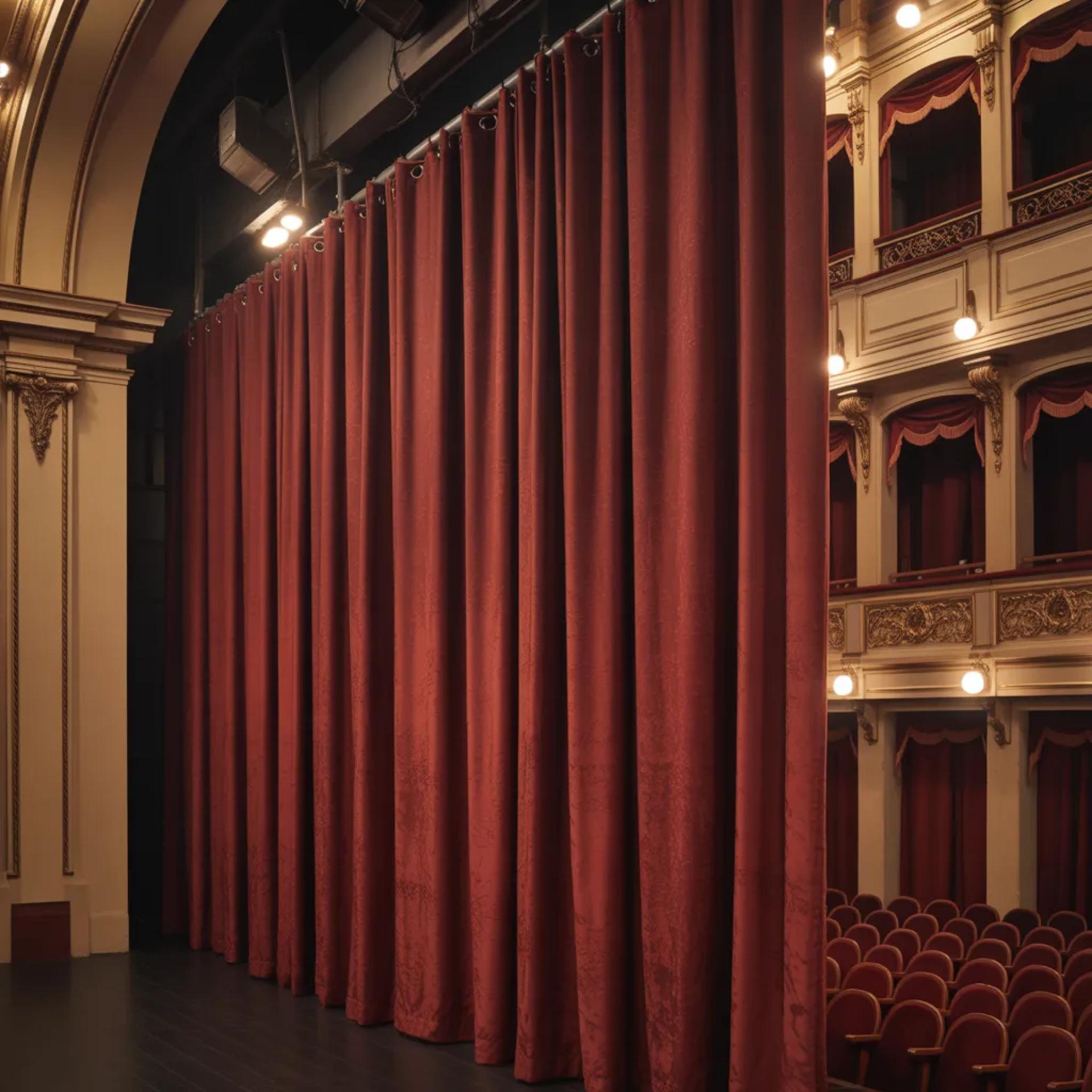
Theatre productions lean on multiple lighting positions to shift mood and scene. Concerts stack wash, spot and moving fixtures together for a bigger visual effect. School auditoriums need something flexible enough to handle a play in October and a graduation ceremony in June. And multipurpose venues, by definition, need infrastructure that doesn't lock them into one use case.
Keeping the system reliable
Maintenance isn't glamorous, but it's what keeps a lighting rig from becoming a liability. That means regularly checking supporting components for wear, inspecting fixtures and connections, keeping the area accessible enough for technicians to actually do their jobs safely, sticking to manufacturer and engineering documentation, and bringing in a professional inspection periodically rather than relying only on what's visible from the ground. A bit of planned upkeep goes a long way toward avoiding downtime nobody budgeted for.
Choosing a system in 2026
Rather than chasing a brand name, it's worth thinking about what the venue actually needs: load capacity, bar dimensions, how it'll be installed, which fixtures it needs to support, the building's own structure, how accessible it'll be for servicing, and whether there's room to expand later. For most commercial theatres, a custom-engineered solution beats a generic product every time — and when you're comparing stage lighting bar suppliers in Australia, look for ones with real theatrical engineering experience, not just a catalogue.
A few common questions
What are lighting bars actually used for?
Supporting and positioning lighting fixtures across theatres, auditoriums, concert venues and similar performance spaces.
Are custom bars worth it over standard ones?
Depends on the venue. If you've got unusual dimensions, structural constraints or plans to expand later, custom is usually the better investment.
Can they handle LED fixtures?
Yes — as long as the system's designed with the right loads and fixture types in mind from the start.
How often should they be maintained?
It varies by system and usage, but regular inspection should be part of any theatre's maintenance routine.
Does installation need to be professional?
Given it's overhead structural work, yes — engineering and safety requirements aren't optional here.
How do you pick a supplier?
Look for theatrical experience, real engineering capability, and installers who understand your venue rather than just selling you a product.
The bottom line
A lighting bar isn't just hardware — it's the thing that makes everything else on stage possible. Get it engineered properly and it'll serve a venue well for years, through however many different productions come through the door.
Installation Theatrical Engineering works on theatre engineering, lighting, rigging and stage infrastructure across performance venues. If you're planning a new install or upgrading an existing one, it's worth getting advice from people who design around the space first — not the product.



















Sign in to leave a comment.