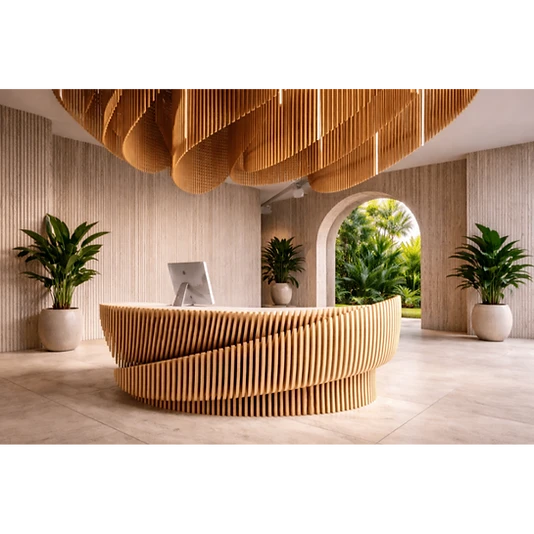

The reception area is the first physical interaction visitors have with a business. Within moments of entering a space, guests form impressions about professionalism, organization, and brand identity. Because of this, the reception desk becomes more than just a workstation—it acts as a visual anchor and operational hub.
A well-planned custom reception desk helps businesses align design with workflow, ensuring that the front office feels both welcoming and efficient. Instead of relying on standard, mass-produced counters, many organizations now prefer tailored solutions that reflect their space, culture, and daily operational needs.
The Importance of Reception Design
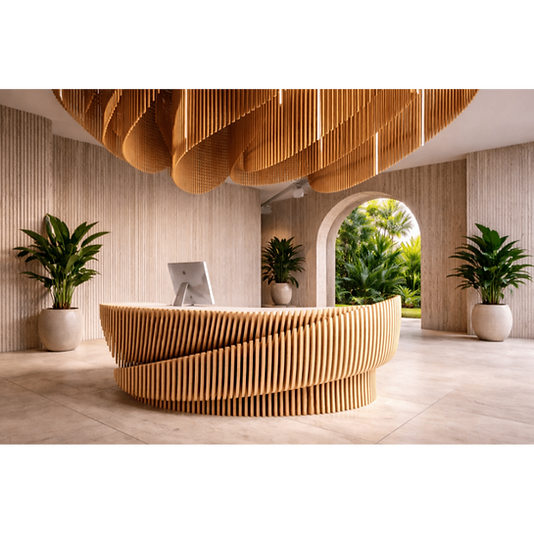
Reception desks serve multiple roles. They function as greeting stations, administrative workspaces, and focal design features. Staff members manage calls, appointments, deliveries, and inquiries throughout the day, which means the desk must support productivity while maintaining a polished appearance.
An effective reception setup should:
- Provide ergonomic comfort for employees
- Offer adequate storage for documents and tools
- Maintain clear organization
- Support smooth visitor interaction
- Complement the overall interior design
Balancing functionality and aesthetics requires thoughtful planning from the beginning.
Why Customization Matters
Every office layout is different. Ceiling heights, floor plans, lighting conditions, and traffic flow all influence the ideal desk design. A custom reception desk allows businesses to tailor dimensions, materials, and layout to fit their specific environment without compromising usability.
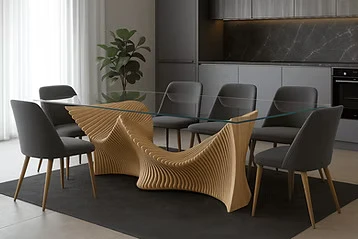
Customization also ensures that the desk integrates seamlessly with surrounding elements such as cabinetry, flooring, and wall finishes. Many contemporary offices incorporate modern wood furniture to introduce warmth and texture into professional settings. Extending this material consistency into the reception area creates visual harmony across the workspace.
Material Selection and Durability
Reception desks endure daily use, making material choice essential for longevity and maintenance.
Solid Wood
Durable and timeless, solid wood provides structural strength and a natural aesthetic. It pairs well with modern interiors while maintaining long-term resilience.
Engineered Wood
Designed for stability, engineered wood resists warping and allows flexibility in finishes and textures.
Laminate and Veneer
These materials are cost-effective and easy to maintain, making them suitable for high-traffic environments.
Mixed Material Designs
Combining wood with metal accents or glass panels adds dimension and creates a refined, contemporary look.
Many businesses choose to match their desk finishes with other modern wood furniture pieces throughout the office to ensure a cohesive atmosphere.
Designing for Workflow Efficiency
Beyond appearance, reception desks must support daily tasks efficiently.
Ergonomic Considerations
Proper desk height, monitor positioning, and legroom help reduce strain during long work hours. Comfort directly impacts productivity and job satisfaction.
Smart Storage Solutions
Integrated drawers, concealed shelving, and file compartments help maintain organization while keeping the front-facing area clean.
Cable Management
Hidden wiring systems prevent clutter and maintain a professional appearance.
Multi-Level Counters
Tiered surfaces create separation between the receptionist’s workspace and the visitor-facing counter, offering privacy without limiting accessibility.
These practical features ensure that design enhances operational flow rather than restricting it.
Branding Through Design
The reception desk reflects a company’s identity. A sleek, minimalist design may signal innovation and efficiency, while warmer wood tones convey stability and craftsmanship.
Lighting integration also enhances presentation. Subtle LED accents or under-counter illumination create depth and highlight architectural details without overpowering the space.
When design, materials, and layout work together, the reception area reinforces credibility and leaves a lasting impression on guests.
Space Planning and Layout
Reception desks must align with the overall spatial arrangement. In compact offices, L-shaped or straight desks optimize floor space while maintaining accessibility. Larger reception areas may accommodate curved or U-shaped layouts that encourage smooth traffic flow.
Clear pathways allow visitors to approach comfortably, while staff maintain unobstructed movement behind the desk. Strategic placement ensures the reception area remains functional and visually balanced.
Long-Term Value of Thoughtful Design
Investing in a well-designed reception desk offers long-term advantages. Durable materials reduce replacement costs, and ergonomic layouts improve employee efficiency. Custom solutions also allow flexibility for future technological upgrades or layout changes.
As workplaces continue to evolve, the reception area remains a central point of interaction. A thoughtfully designed desk strengthens brand perception while supporting daily business operations.
Frequently Asked Questions (FAQs)
1. What is the ideal height for a reception desk?
Most reception desks range between 28–30 inches for the working surface and 42 inches for the transaction counter. However, height may vary depending on ergonomic needs and accessibility requirements.
2. How long does it take to build a custom reception desk?
The timeline depends on design complexity and material selection. On average, custom reception desks may take several weeks from design approval to installation.
3. What materials are best for high-traffic reception areas?
Durable options such as solid wood, engineered wood, and high-pressure laminates are commonly used because they resist wear and are easy to maintain.
4. How do I choose the right design for my office?
Consider your available space, workflow needs, brand identity, and overall interior style. A design that complements existing furniture and supports daily tasks will provide the best long-term results.






















Sign in to leave a comment.