Production
Cut and sew manufacturing is a comprehensive process used to create garments from scratch. This method involves several stages, each crucial to ensuring the final product meets the desired quality and design specifications. Here’s a detailed breakdown of the cut-and-sew manufacturing process:
1. Design and Pattern Making
- Generate a Sketch of the Design: The process begins with a design concept, which is then sketched out to visualize the final product.
- Create a Paper Pattern: A paper pattern is developed based on the design sketch. This pattern serves as a template for cutting the fabric.
- Create a Garment Sample: A sample garment is made using the paper pattern to test the design and fit. Adjustments are made as necessary to ensure the garment fits well and looks good.
2. Fabric Selection and Preparation
- Fabric Sourcing: The appropriate fabric is selected based on the design requirements. This includes considering factors like texture, weight, and durability.
- Fabric Relaxing and Pre-shrinking: The fabric is relaxed to remove any tension from the manufacturing process and pre-shrunk to prevent further shrinkage after the garment is made.
3. Cutting
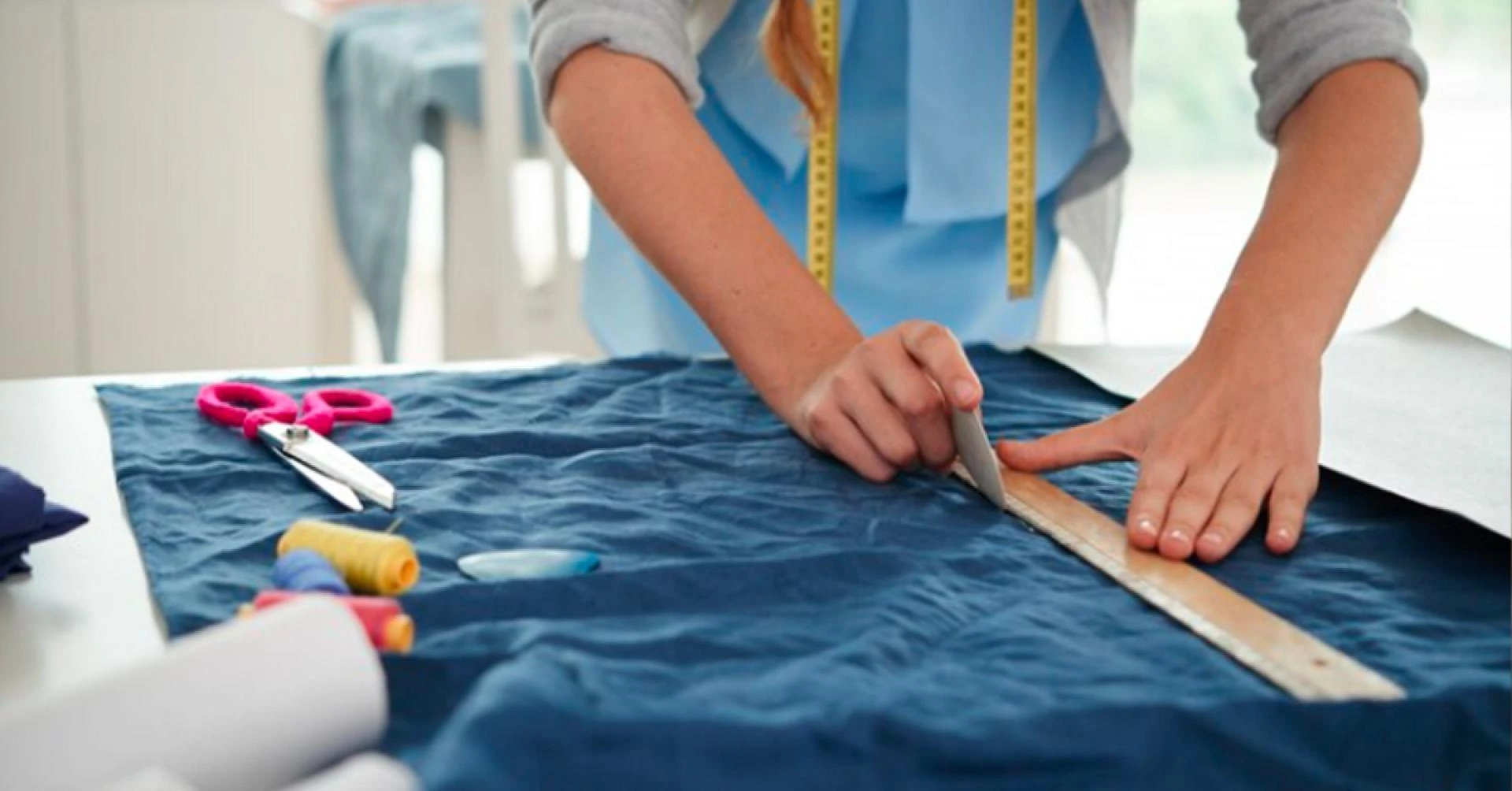
- Laying Out Fabric: The fabric is laid out on cutting tables, ensuring it is smooth and free of wrinkles.
- Cutting According to Patterns: Using the paper pattern, the fabric is cut into individual pieces. This can be done manually or with cutting machines to ensure precision.
4. Sewing
- Sewing Individual Pieces: The cut fabric pieces are sewn together using industrial sewing machines. This step requires skilled labor to ensure that the seams are strong and the garment is well-constructed.
- Adding Details: Additional elements like zippers, buttons, and embellishments are added during this stage.
5. Quality Control
- Inspection: Each garment is inspected for any defects or inconsistencies. This includes checking the seams, stitching, and overall appearance of the garment.
- Adjustments: If any issues are found, adjustments are made to correct them before the garment moves to the next stage.
6. Finishing
- Final Touches: The garment undergoes final finishing processes, which may include pressing, steaming, and adding labels or tags.
- Packaging: The finished garments are packaged and prepared for distribution and sale.
To learn more or get started with professional manufacturing services, visit the Fabletic Sports official website.
Benefits of Cut and Sew Manufacturing
- Customization: Allows for high levels of customization in terms of design, fit, and fabric choice.
- Quality: Ensures high-quality garments due to the meticulous attention to detail at each stage of the process.
- Flexibility: Offers flexibility in production, allowing for small batch sizes and quick turnaround times for new designs.
Cut and sew manufacturing is a detailed and labor-intensive process that results in high-quality, custom garments. Each step is crucial to ensuring the final product meets the desired standards of design, fit, and quality.





















Sign in to leave a comment.