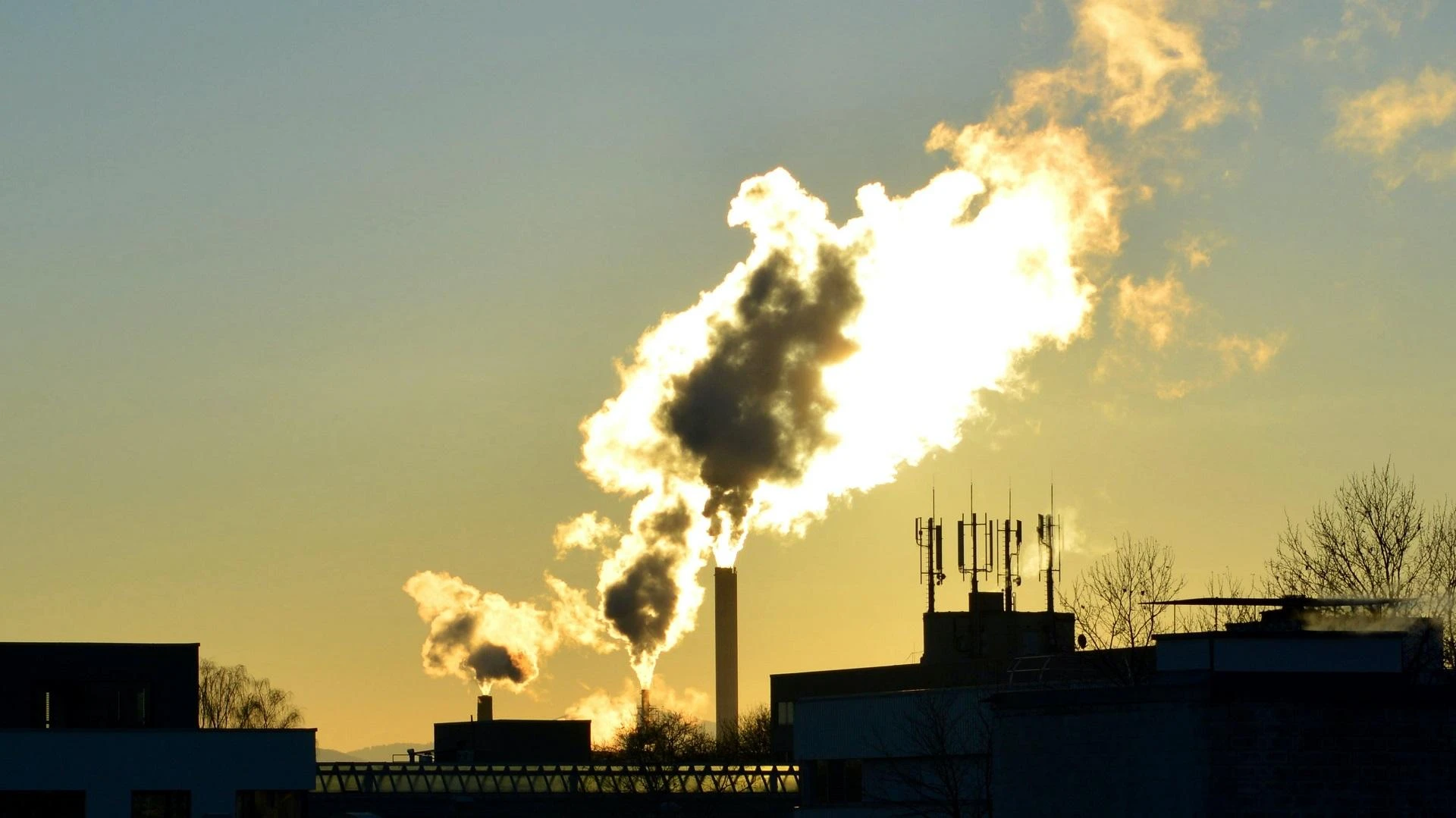

Cleanco Waste Treatment (CWT) opens expanded medical and Hazardous Waste Treatment in Al Ain in a significant move towards bolstering its commitment to environmental sustainability and safe waste disposal, Waste Technologies has taken a momentous stride by expanding its medical and hazardous waste incinerator in Al Ain, UAE. This expansion marks a crucial development in the realm of waste management. Particularly in the treatment of hazardous and medical waste. With a rising emphasis on the need for responsible waste disposal, CWT's expansion paves the way for a safer and greener future.
A Step Forward in Hazardous Waste Treatment in Al Ain
Al Ain, famed for gardens, faces hazardous waste challenges amid picturesque landscapes, demanding effective treatment solutions. Hazardous waste, arising from industrial processes, medical facilities, and other sources, significantly threatens human health and the environment without proper management. CWT's incinerator expansion responds to this by providing a state-of-the-art solution for effective hazardous waste treatment.
A Holistic Approach to Medical Waste Treatment in Al Ain
In addition to hazardous waste, the expansion focuses on enhancing the treatment of medical waste as well. Medical waste, which includes materials contaminated with potentially infectious agents, demands a specialized approach to ensure the safety of healthcare workers, patients, and the general population. By incorporating a dedicated facility for medical waste treatment within the expanded incinerator, CWT takes a step closer to achieving a comprehensive waste management system in Al Ain.
Promoting Sustainability Through Advanced Technology
The expanded incinerator facility integrates advanced technologies to ensure efficient and environmentally responsible waste treatment. Moreover, by employing cutting-edge filtration systems and stringent air quality control mechanisms, CWT guarantees that the incineration process minimizes air pollutants and harmful emissions. This approach aligns perfectly with the UAE's vision for a sustainable future, where economic development goes hand in hand with environmental preservation.
A Beacon of Innovation in Waste Management
Transitioning between hazardous and medical waste, the expansion of CWT's incinerator facility reflects the growing importance of innovative waste management solutions. It serves as a testament to the power of technology in addressing complex challenges, while also highlighting the role of private enterprises in contributing to the greater good. The expansion not only expands the facility's capacity but also showcases CWT's dedication to continuously improving its waste treatment processes.
Community Engagement and Awareness
As the expansion takes shape, CWT recognizes the importance of community engagement and awareness. By partnering with local educational institutions and organizations, CWT aims to educate the public about the significance of responsible waste disposal. Through workshops, seminars, and informational campaigns, the initiative strives to foster a sense of environmental stewardship among residents, empowering them to make informed choices for a cleaner Al Ain.
Collaboration: A Cornerstone of Success
Furthermore, the expansion project emphasizes collaboration as a cornerstone of its success. Working closely with regulatory authorities, environmental agencies, and healthcare institutions, CWT ensures that the expanded incinerator adheres to the highest standards of safety and environmental protection. This collaborative approach not only guarantees compliance but also promotes a unified effort toward sustainable waste management in the region.
A Template for Future Developments
CWT's expanded medical and hazardous waste incinerator stands as a template for future waste management developments. It is Not only in Al Ain but across the UAE and beyond. The integration of technology, environmental consciousness, and community engagement creates a holistic model. That can be replicated to tackle waste management challenges in various settings. Furthermore, it serves as a beacon of hope, demonstrating that effective waste treatment is not only attainable but also essential for the well-being of our planet and its inhabitants.
Let's delve into examples of how medical and hazardous waste can be treated:
The treatment method hinges on waste type, composition, and risks. Local authorities, guidelines, and regulations shape the approach. Ultimately, medical and hazardous waste treatment aims to reduce impact on health, the environment, and ensure compliance.
1. Autoclaving:
First, autoclaving is a common method for treating medical waste, particularly items that are not contaminated with hazardous materials. This process involves subjecting the waste to high-pressure steam at temperatures exceeding 121°C (250°F). The steam effectively sterilizes the waste, killing bacteria, viruses, and other pathogens. After autoclaving, the waste can be safely disposed of in a landfill.
2. Incineration:
Second, for treating both medical and hazardous waste, people widely use incineration. In medical waste incineration, we burn the waste at high temperatures in a controlled environment. This process not only eliminates pathogens and reduces the volume of waste but also converts the waste into ash and gases. For hazardous waste incineration, we carefully control the process to ensure complete combustion, minimizing the release of harmful pollutants into the air.
3. Chemical Treatment:
Third, certain types of hazardous waste can be treated using chemical processes to neutralize their harmful properties. For instance, some liquid hazardous waste can undergo chemical reactions that render the hazardous components inert or less toxic. Chemical treatment is often used for waste containing heavy metals or other hazardous chemicals.
4. Pyrolysis:
Fourth, pyrolysis is a thermal decomposition process that involves heating waste in the absence of oxygen. This leads to the breakdown of organic materials into gases, liquids, and solids. In fact, pyrolysis enables the treatment of both medical and hazardous waste, with the potential for further safe processing or disposal of resulting gases and liquids.
5. Encapsulation:
Fifth, encapsulation involves placing hazardous waste within a solid material, such as cement or plastic, to prevent the release of harmful substances. This method is commonly used for hazardous waste with high leachability or potential for dispersal. Therefore, once encapsulated, the waste is less likely to pose a risk to the environment.
6. Mechanical Shredding:
Sixth, mechanical shredding reduces medical waste volume, rendering plastics and sharps unrecognizable. This aids sterilization by exposing more surface area for treatment.
7. Secure Landfill Disposal:
Seventh, for waste that cannot be treated using the methods mentioned above, secure landfill disposal is an option. This involves burying the waste in specially designed landfills with liners and collection systems to prevent the migration of contaminants into the soil and groundwater. However, this method is typically used as a last resort for waste that cannot be treated or recycled.
Conclusion: Paving the Way for a Greener Future
In conclusion, CWT's expansion of Medical Waste Treatment in Al Ain marks a significant milestone in the realm of waste management. By addressing the challenges of hazardous and medical waste treatment in a comprehensive and innovative manner. The project sets a high standard for responsible waste disposal. As the UAE strives toward a sustainable and eco-friendly future. The expansion serves as a shining example of the potential for private enterprises to contribute positively to environmental preservation. CWT's tech, community focus, and teamwork foster a greener, safer Al Ain, driving progress for a better future.





















Sign in to leave a comment.