

Cybersecurity is the practice of protecting computer systems, networks, software, and data from theft, damage, or unauthorized access. It encompasses a wide range of technologies, processes, and practices designed to safeguard digital information and systems from various types of threats, including cyberattacks, data breaches, and other malicious activities.
Tech in CybersecurityCybersecurity is a constantly evolving field, as new threats and vulnerabilities emerge regularly. Organizations and individuals must stay vigilant and adapt their security measures to address these evolving challenges to protect their digital assets and information.
Aspirants meeting B Tech Cyber Security eligibility criteria should not let go the opportunity to pursue the course. For this, they need to explore excellent universities and colleges across India offering B Tech Cyber Security Admission.
Tech in Cybersecurity – Career OpportunitiesTech in Cybersecurity can be a rewarding and challenging journey. The field is constantly evolving, and there is a high demand for skilled professionals to protect organizations from cyber threats. Here are the steps to help you break into a cybersecurity career -Educational Background
Bachelor's Degree: Many cybersecurity roles require at least a bachelor's degree in a related field such as computer science, information technology, or cybersecurity. It's possible to enter the field without a degree, but having one can open more doors.Build a Solid Foundation
Learn the Basics: Start by gaining a strong understanding of computer networks, operating systems, and programming languages like Python.Online Courses and Certifications: Take advantage of online courses and certifications. Some popular ones include CompTIA Security+, Certified Information Systems Security Professional (CISSP), Certified Information Security Manager (CISM), and Certified Ethical Hacker (CEH).Hands-on Experience
Home Lab: Create a home lab where you can experiment with setting up and securing different types of systems and networks.Internships: Seek internships or entry-level positions in IT or cybersecurity to gain practical experience.Networking
Attend cybersecurity conferences, seminars, and meetups. This can help you connect with professionals in the field and learn about job opportunities.Join online forums and communities where cybersecurity experts share knowledge and job postings.Specialize
Cybersecurity is a broad field. Consider specializing in a specific area such as:
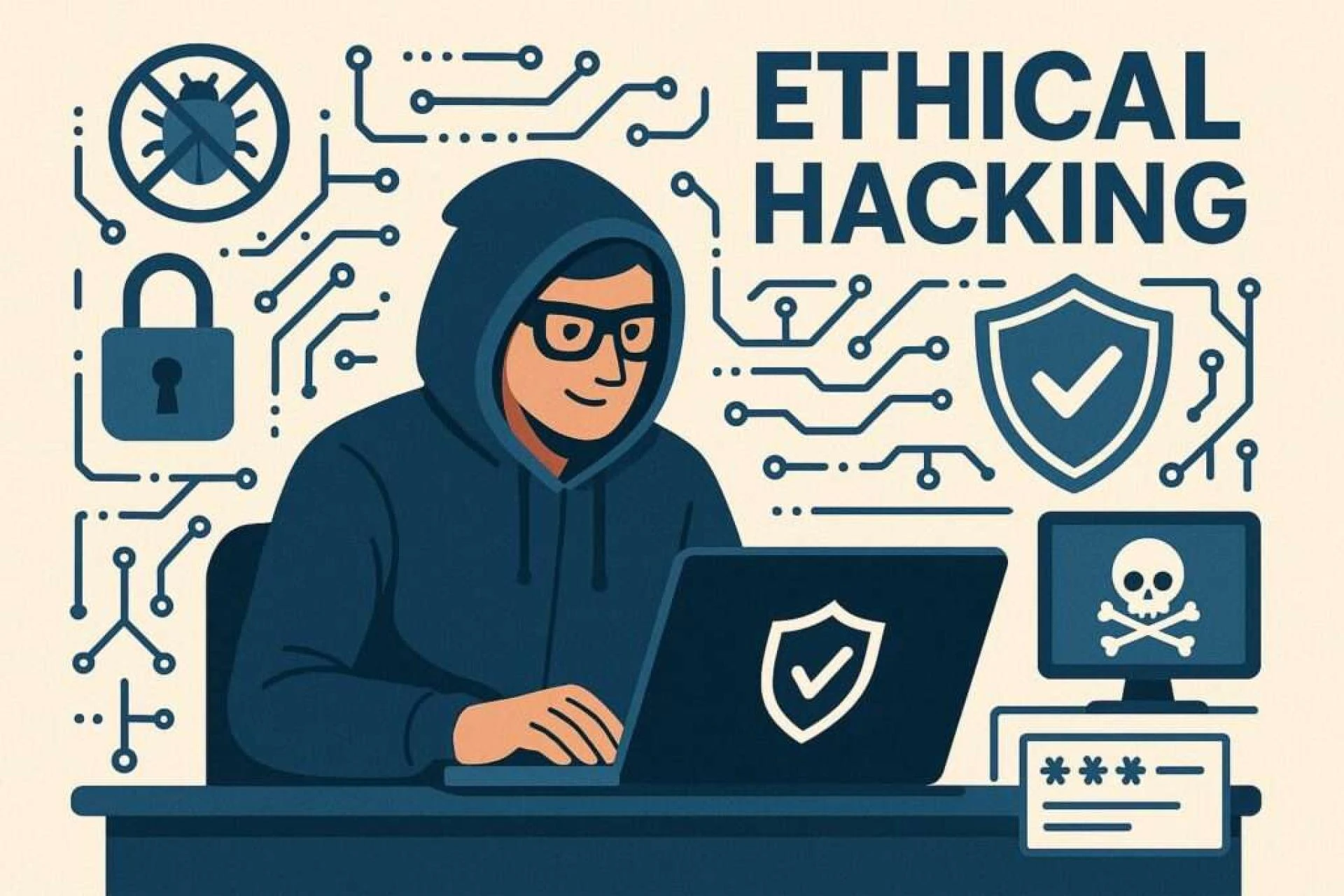
Network Security: Focusing on securing networks and data transmission.Incident Response: Handling security incidents and breaches.Penetration Testing: Ethical hacking to identify vulnerabilities in systems.Security Analysis: Analyzing security threats and vulnerabilities.Security Policy and Compliance: Ensuring organizations meet industry regulations.Certifications
Obtain relevant certifications based on your chosen specialization. Certifications can validate your skills and make you a more attractive candidate to employers.
Build a Portfolio
Create a portfolio of your work, including any personal projects, reports, or research related to cybersecurity.
Stay Informed
Cybersecurity is always changing. Stay up-to-date with the latest threats, trends, and technologies by reading blogs, attending webinars, and following industry news.
Soft Skills
Develop strong communication and problem-solving skills. Cybersecurity professionals often need to explain complex technical concepts to non-technical stakeholders.
Apply for Jobs
Tailor your resume and cover letter to highlight your relevant skills and experiences.Apply for entry-level positions such as security analyst, junior penetration tester, or IT support roles with a focus on security.
Prepare for Interviews
Be prepared to answer technical questions and demonstrate your problem-solving abilities.Show enthusiasm for the field and your willingness to learn.
Continuous Learning
Cybersecurity is a field where learning never stops. Keep expanding your knowledge and skills throughout your career.
Ethical Considerations
Remember to always act ethically and legally. Ethical conduct is crucial in cybersecurity.
Breaking into the field of cybersecurity may take time and effort, but it's a rewarding career path with excellent job prospects. Though B Tech Cyber Security fee in some of the colleges is quite high, there are many other institutions where students enjoy best learning and education and have the privilege to experience best B Tech Cyber Security placements. So, as a student, one should keep learning, networking, and gaining hands-on experience to advance in the field.










Sign in to leave a comment.