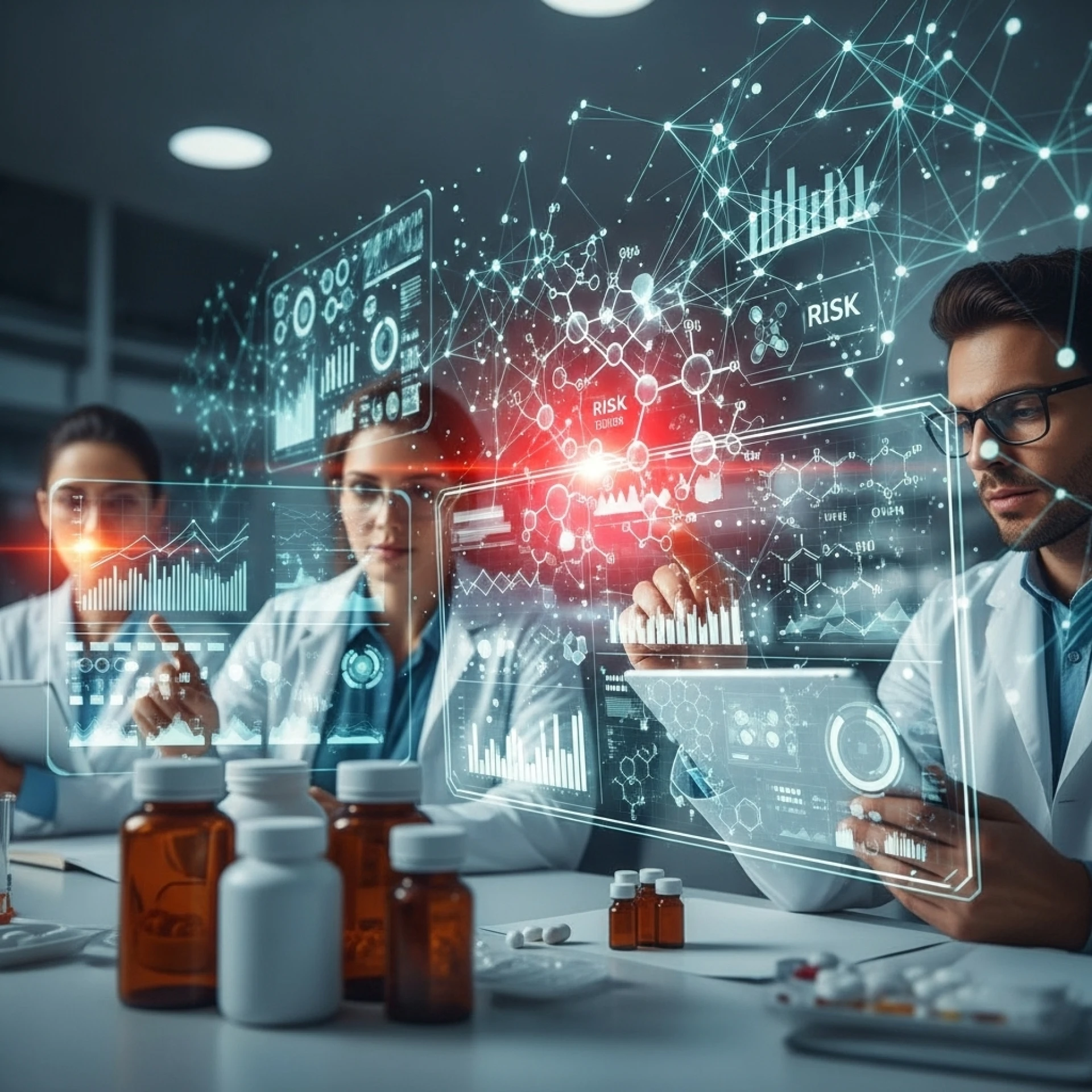

When you think about the journey of a new medicine from a lab to your local pharmacy a lot of work goes on behind the scenes this is something you will learn about in any solid clinical research course what is less talked about but just as important is the constant watch that happens after a drug is approved and out in the world. This is where data analysis plays a crucial role by carefully looking at information from millions of people we can spot potential drug risks that were not obvious in the smaller clinical trials this work is all about protecting patient safety and making sure that the benefits of a drug continue to outweigh it is risks.
Why the Real World is Different
Clinical trials are highly controlled environments researchers carefully select a specific group of people and everyone in the trial follows the same strict rules this is necessary to test a drug effectiveness and initial safety. However once a drug is on the market it is used by a much broader and more diverse population. It is used by people of all ages with different health conditions and who are taking other medications this real world use can sometimes reveal side effects that were too rare or too subtle to show up in a clinical trial. For example, a side effect that only happens in 1 out of every 10,000 people might not be seen in a clinical trial that only involves a few thousand participants. But when a million people take that drug you will see a hundred cases of that side effect it is a bit like trying to find a needle in a haystack you need a lot of hay to even have a chance of finding it data analysis is the tool that helps us search through all that hay or in this case all that patient information.
The Detective Work of Data Analysis
So how does it work? Pharmacovigilance the field of drug safety relies heavily on data. Professionals in this area collect information from various sources:
·
Spontaneous Reports: Doctors, pharmacists and patients can voluntarily report any side effects they think might be related to a drug.
·
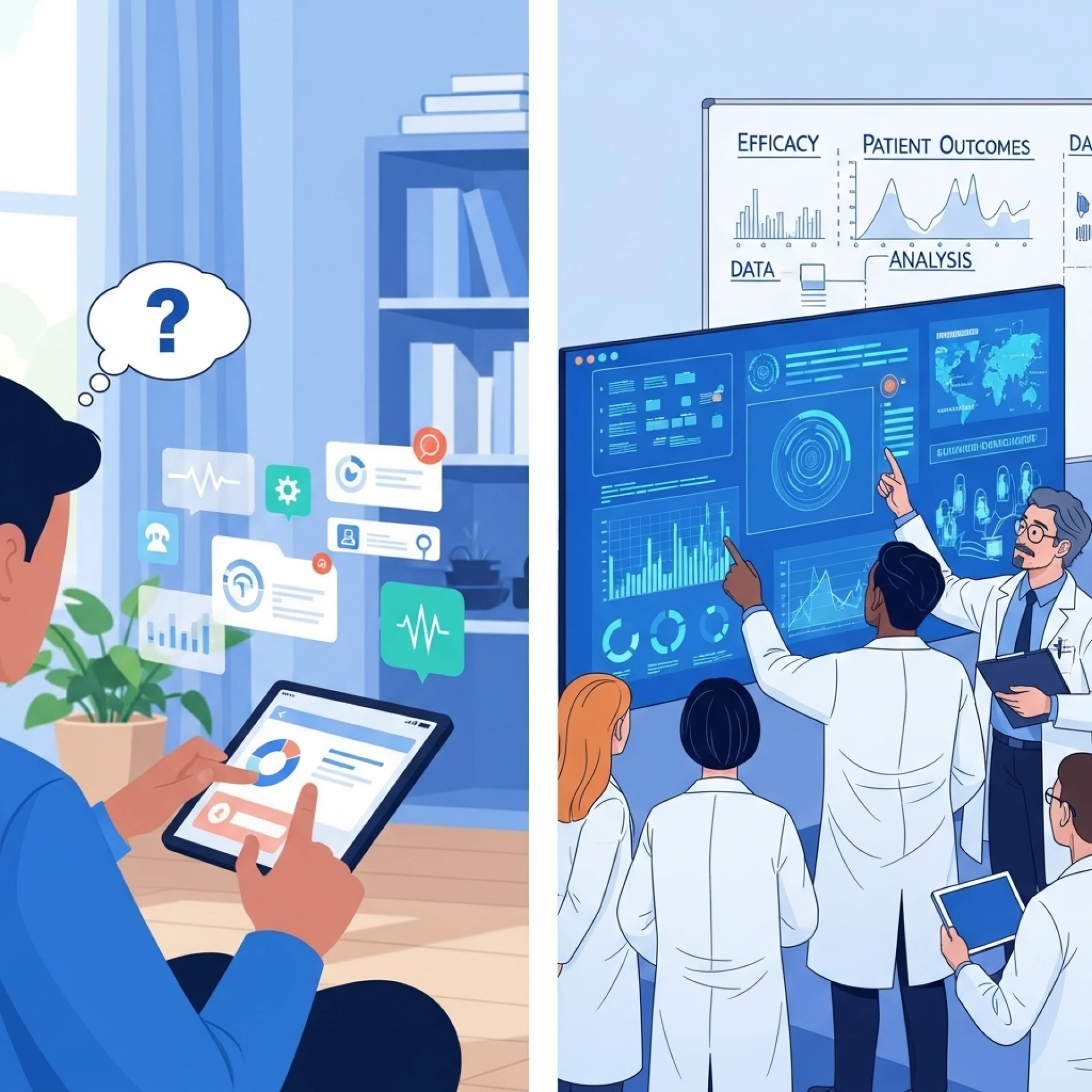
Electronic Health Records (EHRs): These are digital versions of a patient paper chart by looking at large groups of EHRs analysts can spot patterns. For instance, they might notice that a lot of people who were prescribed a certain medication also developed a specific health issue.
·
Social Media and Online Forums: Believe it or not conversations on platforms like twitter or patient forums can provide clues. People often share their experiences with medications and sophisticated tools can help to find trends in these conversations.
All of this information is collected and analyzed using advanced software and statistical methods the goal is to find a signal a pattern that suggests a potential link between a drug and an adverse event. Once a signal is found it is then thoroughly investigated to determine if there is a real cause and effect relationship.
From Signal to Action
Identifying a potential risk is just the first step the real goal is to take action to protect patients if a new safety concern is confirmed the information is used in several ways the drug company might need to update the drug label with new warnings. Doctors and pharmacists would be informed so they can better advise their patients in some serious cases a drug might need to be taken off the market this process is a huge part of what makes our healthcare system safe. It is a system of continuous improvement where we learn from every person who uses a medication.
The Human Element
While we rely on powerful computers and complex programs it is important to remember that data analysis is guided by skilled professionals these are people who understand the science the data and the importance of what they are doing. They are the ones who look at the signals and decide which ones need a closer look their expertise is what separates a true drug risk from a random event. This is where a great education makes a difference. A solid foundation from a reputable clinical research institute gives these professionals the knowledge they need to interpret the data correctly and make the right decisions. The skills needed for this work include a strong background in statistics a deep understanding of medical science and a meticulous attention to detail it is a career for people who enjoy solving puzzles and have a strong desire to protect public health. At Clariwell we believe that putting patient safety at the forefront of your professional life is the key to building a meaningful and successful career.
The Future: AI and Proactive Monitoring
The field is always evolving. Today, new technologies are helping us to analyze data even faster and more accurately artificial intelligence (AI) and machine learning are being used to go through vast amounts of information and spot potential risks in ways that were impossible before. For example, AI can quickly analyze millions of electronic health records to find subtle patterns that would take a person years to uncover this is moving the field from a reactive approach where we respond to reports to a proactive one where we can spot risks before they become widespread problems. This does not mean that people will be replaced by computers. Instead, these new tools will make professionals even more effective they can spend less time sifting through data and more time on the complex investigations that truly matter the importance of a solid foundation cannot be overstated and that is precisely what a quality clinical research training program provides. It gives you the tools and the mindset to be an ethical leader in the field ready to protect patients and uphold the integrity of the data that will shape the future of medicine.

























Sign in to leave a comment.