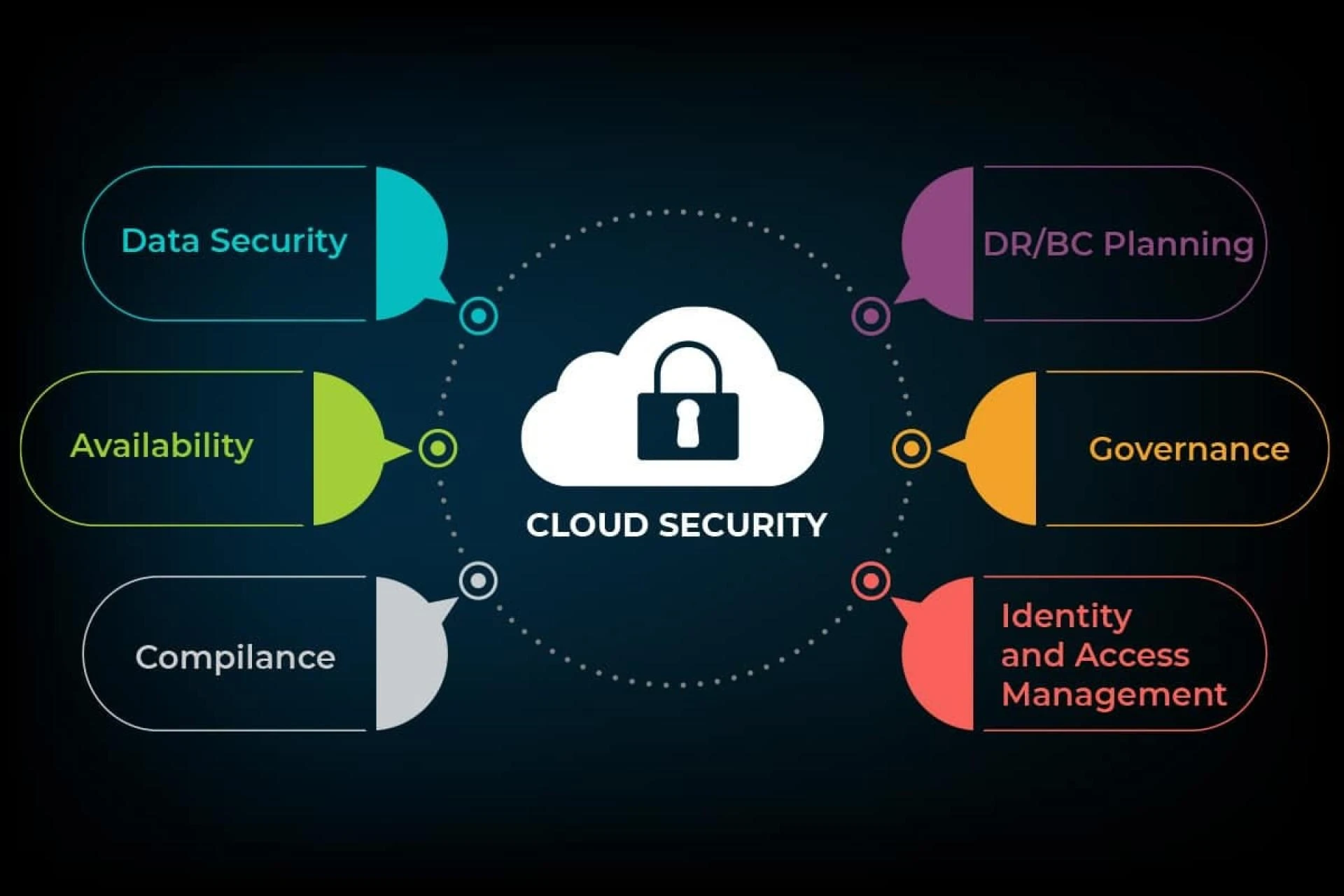
Data security represents the most critical aspect of any cloud migration initiative, with 95% of cloud security failures being attributed to customer errors rather than cloud provider vulnerabilities. As organizations move sensitive information to cloud environments, implementing robust security measures becomes essential to protect against data breaches, compliance violations, and operational disruptions.
Understanding the Shared Responsibility Model
The foundation of cloud security rests on understanding the shared responsibility model that governs security roles between cloud providers and customers. While cloud providers secure the underlying infrastructure, customers remain responsible for securing their data, applications, and access management systems.
This division means organizations must implement comprehensive security controls for data encryption, identity management, and access policies. Many security breaches occur when organizations mistakenly assume their cloud provider handles all security aspects, leaving critical gaps in protection during migration phases.
Encryption: Your Data's Primary Defense
Data-at-Rest Encryption
Implement AES-256 encryption for all data stored in cloud environments, ensuring sensitive information remains protected even if storage systems are compromised. Use customer-managed encryption keys (CMK) through services like AWS KMS or Azure Key Vault to maintain greater control over data access and decryption processes.
Consider implementing bring-your-own-key (BYOK) strategies for highly sensitive data, allowing your organization to maintain complete control over encryption keys while leveraging cloud storage capabilities.
Data-in-Transit Protection
Secure all data transfers using modern TLS protocols and encrypted network channels during migration processes. Never migrate sensitive information over unsecured connections, as this creates vulnerable windows that attackers actively exploit during transition periods.
Implement end-to-end encryption that protects data from source systems through cloud destinations, using secure data transfer services provided by cloud vendors or establishing encrypted VPN tunnels for enhanced protection.
Identity and Access Management Implementation
Principle of Least Privilege
Enforce the principle of least privilege by granting users only the minimum access permissions required for their specific roles and responsibilities. This approach significantly reduces attack surfaces during vulnerable migration periods when systems may have temporary exposure.
Regularly audit and review user access privileges, removing unnecessary permissions and ensuring access rights align with current job requirements and business needs.
Multi-Factor Authentication
Implement mandatory multi-factor authentication (MFA) for all user accounts without exception. MFA provides crucial secondary protection that prevents unauthorized access even when primary credentials are compromised during migration activities.
Consider implementing hardware tokens or time-based authentication applications for maximum security, particularly for administrators with elevated privileges.
Continuous Monitoring and Auditing
Establish comprehensive monitoring systems that track all user activities and generate detailed audit logs throughout migration processes. Implement automated alerts for suspicious behavior patterns, such as unusual access times, failed authentication attempts, or attempts to access unauthorized resources.
Use Security Information and Event Management (SIEM) platforms to correlate activities across hybrid environments and detect potential security incidents in real-time.
Pre-Migration Security Planning
Comprehensive Risk Assessment
Conduct thorough security assessments before moving any workloads to identify vulnerabilities in current environments. This assessment should include data classification exercises, threat modeling, and dependency mapping to understand how security measures affect interconnected systems.
Create detailed inventories of all assets scheduled for migration, categorizing data based on sensitivity levels and regulatory requirements to ensure appropriate protection measures.
Network Security Architecture
Implement network segmentation strategies using Virtual Private Clouds (VPCs), private subnets, and security groups to isolate migrated workloads. This segmentation prevents lateral movement within networks if security incidents occur during migration phases.
Establish dedicated migration networks that provide secure channels for data transfer while maintaining separation from production environments.
Navigating Complex Migration Challenges
While implementing these security measures, organizations frequently encounter additional obstacles that can compromise their cloud initiatives. From inadequate planning strategies to unexpected cost overruns, these challenges require comprehensive approaches that integrate security with broader migration considerations. Understanding these comprehensive cloud migration challenges and proven strategies to overcome them ensures your security implementation aligns with successful overall migration execution.
Post-Migration Security Validation
Security Testing and Verification
After completing migration activities, conduct thorough security validation procedures to ensure all protective measures function correctly in cloud environments. Perform penetration testing, verify encryption implementations, and validate access controls to confirm security postures meet organizational requirements.
Implement continuous security scanning tools that identify misconfigurations and vulnerabilities in cloud deployments, addressing issues before they impact operations.
Ongoing Compliance Monitoring
Establish continuous compliance assessment frameworks that monitor adherence to regulatory requirements and internal security policies. Regular security audits and vulnerability assessments help identify emerging threats and maintain protection standards as cloud environments evolve.
Conclusion
Securing data during cloud migration demands systematic approaches that address encryption, identity management, and shared responsibility models from project inception. By implementing these comprehensive security practices, organizations can protect their most valuable assets while realizing cloud transformation benefits. Remember that security represents an ongoing journey requiring continuous attention and improvement throughout your cloud lifecycle.























Sign in to leave a comment.