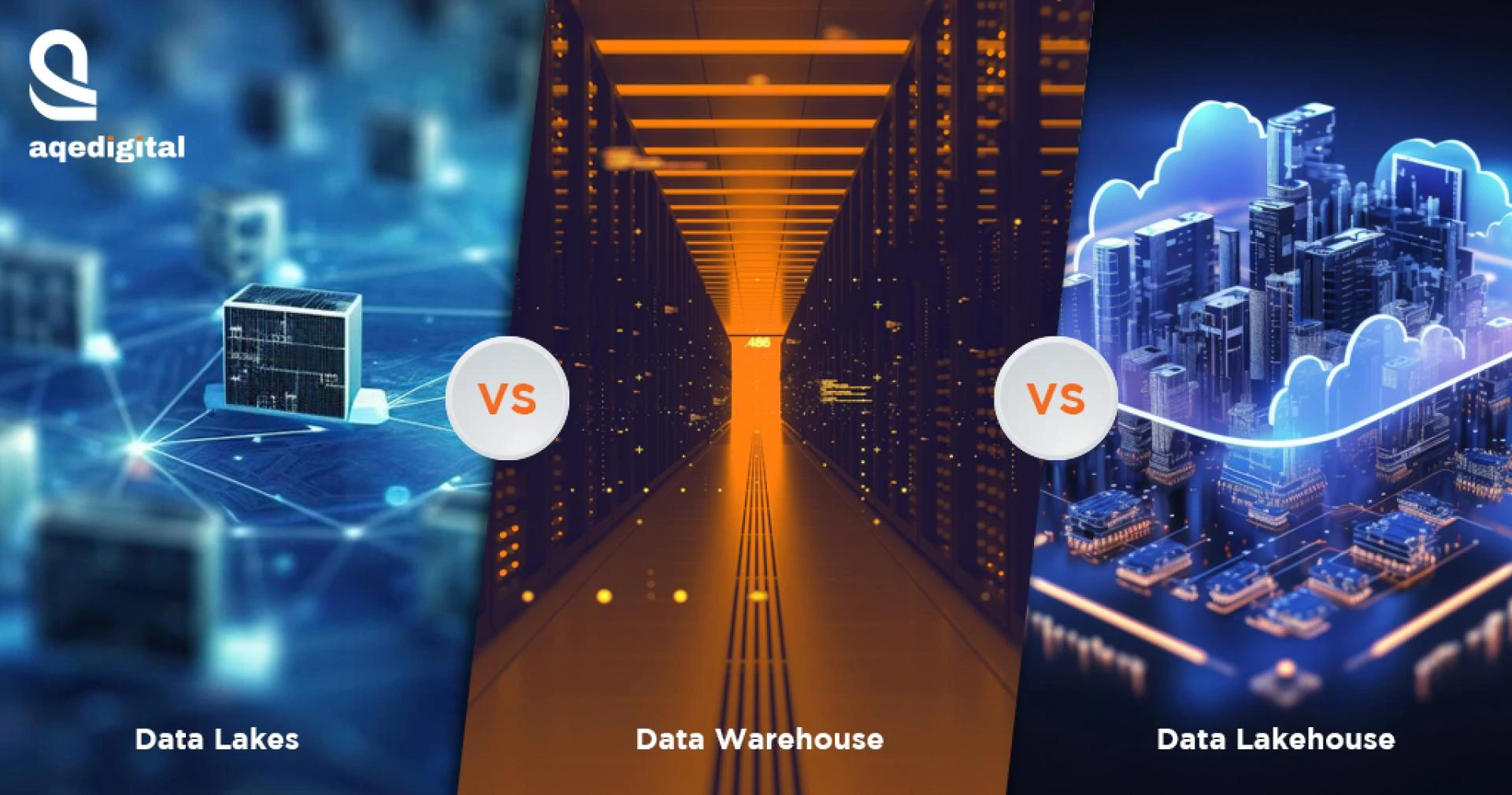

Not All Data Storage Is Created Equal — Here’s How to Choose the Right One
In an era where data drives everything from decision-making to digital transformation, choosing the right architecture for managing your business data isn’t just an IT concern — it’s a competitive strategy.
But with so many options — Data Warehouse, Data Lake, Data Lakehouse — how do you know what fits your business best?
Let’s break down each to help you avoid costly mistakes and set your data up for success.
1. Data Warehouse: Structured, Reliable, and Analytics-Ready
Best for: Business Intelligence (BI), historical data analysis, and structured reporting
Strength: High performance for structured data
Limitation: Not ideal for unstructured or semi-structured data like videos, images, or sensor logs
Think of it as your polished data library — organized and optimized for analytics.
2. Data Lake: Flexible, Scalable, and Raw Data–Friendly
Best for: Big data processing, real-time analytics, and ML model training
Strength: Supports a wide variety of data types (structured + unstructured)
Limitation: Lacks the performance and governance features of warehouses without added tools
It’s the massive storage pool where raw data flows in — but without proper processing, it’s easy to drown.
3. Data Lakehouse: The Best of Both Worlds
Best for: Businesses that need flexibility + performance
Strength: Combines warehouse governance with lake flexibility
Limitation: Still evolving, and implementation complexity can vary
Lakehouse is your modern data foundation — agile, intelligent, and analytics-ready at scale.
Choosing the Right Approach
Ask yourself:
Are you working mostly with structured data and reports? → Go for a Data Warehouse
Do you need to ingest large volumes of varied data types? → Explore a Data Lake
Want unified analytics, real-time insights, and governance? → Start with a Data Lakehouse
Bonus Tip: Don’t Pick Based on Trends — Pick Based on Business Needs
Every system has its purpose, but choosing without aligning with your data goals, infrastructure, and use cases leads to wasteful spending and poor performance.
Ready to Make the Right Call?
👉 Dive into our in-depth blog where we compare Data Warehouse vs Data Lake vs Data Lakehouse — with use cases, architecture insights, and industry-focused advice.
🔗 Read the Full Guide Now

























Sign in to leave a comment.