

Recovering from substance use can be challenging, especially when emotional distress, impulsive behaviors, or difficult relationships contribute to ongoing substance use. For some individuals, learning how to manage intense emotions and stressful situations is an important part of building a sustainable recovery.
DBT for substance abuse offers a structured approach that can help individuals develop practical skills for emotional regulation, distress tolerance, mindfulness, and interpersonal effectiveness. Originally developed to help people manage intense emotional experiences, Dialectical Behavior Therapy (DBT) has also been adapted for individuals experiencing substance use and other mental health concerns.
DBT is not a replacement for comprehensive addiction care. Instead, it can be integrated into a broader treatment plan that may include individual therapy, group therapy, experiential therapies, psychiatric support, and relapse prevention planning.
What Is Dialectical Behavior Therapy?
Dialectical Behavior Therapy is an evidence-based behavioral therapy that focuses on helping individuals accept their current experiences while developing healthier ways to respond to challenges.
DBT commonly teaches four core skill areas:
- Mindfulness
- Emotional regulation
- Distress tolerance
- Interpersonal effectiveness
These skills can be particularly valuable for individuals who use substances as a way to cope with difficult emotions, stress, trauma, or relationship problems.
Through Dialectical Behavior Therapy (DBT), individuals can learn to recognize emotional triggers, tolerate distress without immediately reacting, and make more intentional decisions.
How Does DBT for Substance Abuse Work?
Substance use can sometimes become connected to patterns of emotional distress and impulsive behavior. A person may turn to alcohol or drugs to temporarily escape anxiety, depression, anger, trauma-related symptoms, or overwhelming stress.
DBT addiction treatment focuses on helping individuals identify these patterns and develop alternative coping strategies.
For example, someone may learn to recognize the early signs of emotional distress before reaching a crisis point. Instead of immediately turning to substances, they can practice skills designed to tolerate uncomfortable emotions, regulate their responses, or seek support.
This approach does not assume that every person uses substances for the same reasons. Treatment is individualized and considers each person's history, symptoms, environment, and recovery goals.
Emotional Regulation and Addiction Recovery
Emotional regulation is a central component of DBT therapy.
Some individuals struggling with substance use may experience intense emotions that feel difficult to manage. Anger, sadness, anxiety, shame, or frustration can sometimes lead to impulsive decisions or unhealthy coping behaviors.
DBT teaches individuals to better understand their emotional experiences and identify factors that influence them. Skills may include recognizing emotional triggers, understanding the connection between thoughts and behaviors, and developing healthier responses.
The goal is not to eliminate difficult emotions. Instead, emotional regulation therapy helps individuals respond to emotions in ways that are less harmful and more consistent with their long-term goals.
Over time, these skills may support greater stability and reduce reliance on substances as a primary coping mechanism.
Distress Tolerance and Relapse Prevention
Recovery does not mean that stressful situations or difficult emotions disappear. Individuals may continue to experience challenges after completing formal treatment.
Distress tolerance skills can help people navigate uncomfortable experiences without immediately engaging in destructive behaviors.
In addiction recovery therapy, these skills may support relapse prevention by helping individuals recognize high-risk situations and develop alternative responses.
A personalized relapse prevention plan may include:
- Identifying personal triggers
- Recognizing early warning signs
- Developing healthy coping strategies
- Building a reliable support network
- Planning for stressful situations
- Knowing when to ask for professional help
DBT can be one part of this process. It provides practical skills that individuals can continue practicing as they transition through different stages of recovery.
Mindfulness and Substance Use Recovery
Mindfulness is another important component of Dialectical Behavior Therapy.
Mindfulness involves paying attention to the present moment without immediately judging or reacting to thoughts, feelings, or physical sensations.
For someone experiencing substance use concerns, mindfulness may help create space between an emotional trigger and a behavioral response. Instead of automatically acting on an urge, an individual can learn to notice the craving, identify the emotions surrounding it, and consider a healthier response.
Mindfulness does not make cravings or difficult emotions disappear. However, it may help individuals become more aware of their experiences and make more intentional choices.
Interpersonal Effectiveness and Addiction Counseling
Relationships can play an important role in both substance use and recovery.
Conflict, isolation, unhealthy boundaries, and difficulty communicating can contribute to emotional distress. At the same time, strong relationships can provide valuable support during recovery.
DBT's interpersonal effectiveness skills focus on communication, boundaries, self-respect, and maintaining healthier relationships.
These skills can complement addiction counseling by helping individuals communicate needs more clearly and navigate difficult interactions.
Group therapy can also provide opportunities to practice communication and coping skills in a structured environment while learning from others with similar experiences.
DBT and Co-Occurring Mental Health Conditions
Substance use disorders frequently occur alongside mental health concerns. Some individuals may experience anxiety, depression, PTSD, or other psychiatric conditions alongside substance use.
When substance use and mental health conditions occur together, addressing only one issue may leave important factors untreated.
A comprehensive Dual Diagnosis Treatment approach can address substance use and co-occurring mental health concerns as part of a coordinated treatment plan.
DBT may be particularly useful when emotional dysregulation, impulsivity, trauma-related distress, or interpersonal difficulties contribute to both mental health symptoms and substance use.
The appropriate treatment approach depends on the individual's diagnosis, symptoms, safety needs, and clinical circumstances.
DBT and Other Evidence-Based Addiction Therapies
DBT is often most effective when integrated into a broader treatment program.
Other approaches may include Cognitive Behavioral Therapy (CBT), Motivational Interviewing, individual therapy, group therapy, and experiential therapy.
CBT focuses on the relationship between thoughts, emotions, and behaviors. Through Cognitive Behavioral Therapy (CBT), individuals may learn to identify unhelpful thinking patterns and develop healthier responses to challenging situations.
Motivational Interviewing can help individuals explore their reasons for change and strengthen motivation for recovery.
Experiential therapies may provide additional opportunities for self-expression, emotional exploration, and personal growth.
Combining different evidence-based approaches allows treatment professionals to create a plan that reflects the individual's unique needs.
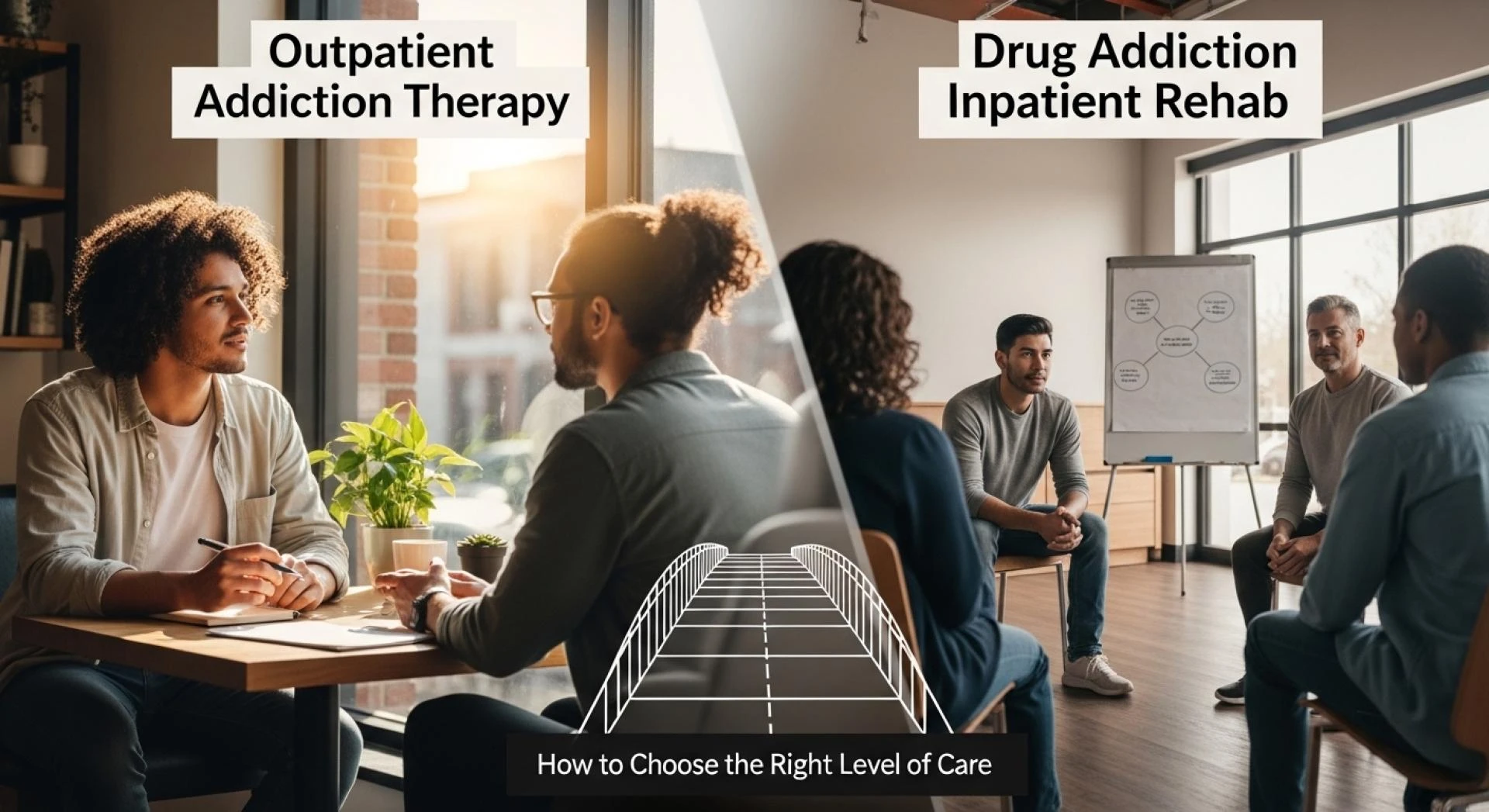
Choosing the Right Level of Addiction Treatment
The appropriate level of care depends on factors such as substance use severity, mental health symptoms, medical needs, safety concerns, and available support.
An Addiction Treatment Center may offer different services based on individual needs.
Treatment options may include:
Partial Hospitalization Program (PHP)
A Partial Hospitalization Program (PHP) provides a structured level of care during the day while allowing individuals to return to an appropriate living environment outside treatment hours.
PHP may be appropriate for individuals who need intensive support but do not require 24-hour residential care.
Intensive Outpatient Program (IOP)
An Intensive Outpatient Program (IOP) provides structured treatment while offering greater flexibility than more intensive levels of care.
IOP may include individual therapy, group therapy, behavioral skills training, relapse prevention, and recovery planning.
Outpatient Program (OP)
An Outpatient Program (OP) may provide ongoing therapy and recovery support while individuals continue managing work, school, family, or other responsibilities.
The appropriate level of care should always be determined through a professional assessment.
Building a Personalized Recovery Plan
Long-term recovery requires more than completing a treatment program. Individuals may need ongoing strategies for managing stress, emotions, cravings, relationships, and mental health symptoms.
A personalized recovery plan may include:
- Continued individual or group therapy
- Relapse prevention strategies
- Psychiatric care when appropriate
- Healthy routines
- Support from family or trusted individuals
- Community resources
- Ongoing mental health treatment
- Strategies for managing emotional triggers
DBT skills can remain useful after formal treatment ends. Mindfulness, emotional regulation, distress tolerance, and interpersonal effectiveness can become practical tools for navigating everyday challenges.
How DBT Can Support Lasting Recovery
Substance use recovery is a personal process, and no single therapy works for everyone. However, learning how to manage emotions, tolerate distress, and respond more effectively to difficult situations can be an important part of recovery.
DBT for substance abuse provides practical skills that may help individuals understand the connection between emotions, thoughts, behaviors, and substance use. When integrated with other evidence-based addiction and mental health services, DBT can contribute to a more comprehensive approach to recovery.
Atlas Behavioral Health takes an individualized approach to behavioral health care, incorporating evidence-based therapies and personalized treatment planning based on each person's needs.
For individuals struggling with substance use, emotional challenges, or co-occurring mental health concerns, seeking a professional assessment can be an important first step. With the right combination of clinical support, evidence-based therapy, and ongoing recovery planning, individuals can develop healthier coping strategies and work toward lasting recovery.




























Sign in to leave a comment.