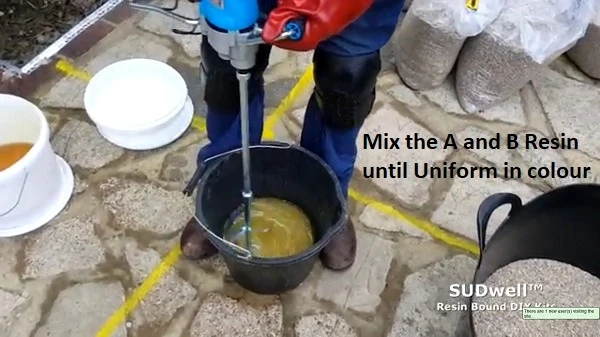
A Resin Bound Driveway offers not just visual appeal but also a strong, permeable, and durable surface. When properly installed—like in the three-step process used by The Resin Bonded Slab Company—it provides a high-quality finish that lasts for years. However, even the most durable surfaces can occasionally face issues, especially when it comes to oil and grease stains.
Whether it’s from a vehicle parked too long or a minor accident during home maintenance, dealing with these types of stains early and correctly is key to maintaining the clean, sleek look of your driveway.
Here’s how to safely handle oil and grease stains on a resin bound surface, without compromising its structure or appearance.
How to Clean Without Damaging the Surface
Resin bound surfaces are designed to be low-maintenance, but they are not immune to staining. Oil and grease can quickly seep into the porous structure of a resin bound driveway, particularly if not addressed soon after the spill occurs.
Immediate action is crucial. The longer oil sits on the surface, the deeper it can penetrate, making removal more difficult. However, harsh chemicals or aggressive scrubbing methods can damage the resin, dull the finish, or even weaken the structure.
The Right Approach:
- Blot, Don’t Wipe: For fresh spills, use an absorbent cloth or paper towel to blot the area. Avoid wiping, as this can spread the oil further.
- Use Warm Water and Mild Detergent: A bucket of warm (not hot) water mixed with a pH-neutral detergent is often enough for light surface stains. Gently scrub with a soft-bristle brush.
- Rinse Thoroughly: Make sure to rinse the area with clean water to avoid leaving soap residue, which can attract dirt.
Avoid using high-pressure washers directly on the stain at close range, as this can dislodge the aggregate or create uneven patches in the resin surface.
Products That Work Safely
Using the right cleaning products is just as important as the technique. Since resin bound driveways have a smooth, bonded surface, not all oil removers are compatible. Some products contain solvents or acids that can break down the resin, leading to discolouration or structural damage.
Here are safe and effective options for cleaning:
1. Biodegradable Oil Stain Removers
These are specially formulated to break down petroleum-based oils without harming surfaces. Look for products labeled as safe for resin, stone, or porous surfaces.
2. Baking Soda and Vinegar (for Light Stains)
A mixture of baking soda and white vinegar can help lift minor oil spots. Sprinkle baking soda directly on the stain, then spray with vinegar. Allow it to fizz for a few minutes before scrubbing gently.
3. Non-Solvent Degreasers
Non-solvent degreasers are ideal for resin bound surfaces because they are designed to emulsify grease without affecting the resin binder. Always check the label to ensure the product is compatible with resin.
4. Absorbent Granules (for Fresh Spills)
Granules like cat litter or diatomaceous earth can be spread over a fresh oil spill. Let them sit for a few hours to draw out the oil before sweeping them away.
When trying any new product, it’s best to test it on an inconspicuous part of the driveway to ensure there’s no adverse reaction.
Preventative Measures
As with most maintenance tasks, prevention is always better than cure. A few simple precautions can go a long way in preserving the pristine appearance of your resin bound driveway, especially when it comes to avoiding oil and grease stains.
1. Regular Cleaning
Dust, leaves, and debris can trap oil and moisture, leading to discolouration. A light sweep once a week, followed by a rinse with clean water, can prevent buildup and allow you to spot stains early.
2. Drip Trays for Vehicles
If you frequently park on your driveway, especially with older vehicles, placing drip trays or mats under the engine area can prevent oil leaks from reaching the surface.
3. Sealant Application
Though not always necessary, some homeowners choose to apply a breathable sealant to add an extra layer of protection. Be sure to use a sealant designed for resin bound systems and follow manufacturer guidelines.
4. Avoid DIY Car Maintenance on the Driveway
Performing oil changes or engine work directly over your driveway increases the risk of stains. If it’s unavoidable, place a protective tarp or thick cardboard beneath the work area.
5. Inspect Drainage
Proper drainage is a core feature of a resin bound system, but standing water can still occur if the area is blocked. Make sure leaves or debris aren’t clogging any edges or channels.
Conclusion: Stains Don’t Have to Stick Around
A resin bound driveway is an investment in both style and durability. While oil and grease stains can be frustrating, they don’t have to be permanent. Acting quickly with the right tools and gentle techniques is the best way to protect your surface.
Using safe cleaning products and adopting a few preventative measures will help ensure your driveway remains as clean and striking as the day it was installed. With the professional installation methods followed by The Resin Bonded Slab Company, the foundation is already set for longevity. Proper care simply enhances that lasting appeal.
Whether it’s an occasional spot or regular maintenance, understanding how to deal with stains effectively allows you to enjoy all the benefits of your resin bound driveway without worry.




























Sign in to leave a comment.