

In today's dynamic financial environment, investors are increasingly turning towards fixed-income products to build a stable core within their portfolios. Debt instruments come in various forms and tenures, offering a blend of predictable returns and risk management. Whether you are aiming for liquidity or income consistency, there is a debt product to match your goal. Understanding how these instruments vary can help customise your investment choices more effectively.
What are short-term debt instruments?
Short-term debt instruments are those held for a short duration, typically for a maximum of three years. These instruments are used for capital preservation and managing idle funds.
Among these, Commercial Paper has become a popular option for investors seeking short-tenure placements with minimal risks and attractive yields. It is a reliable source of short-term financing, providing extra flexibility.
What are long-term debt instruments?
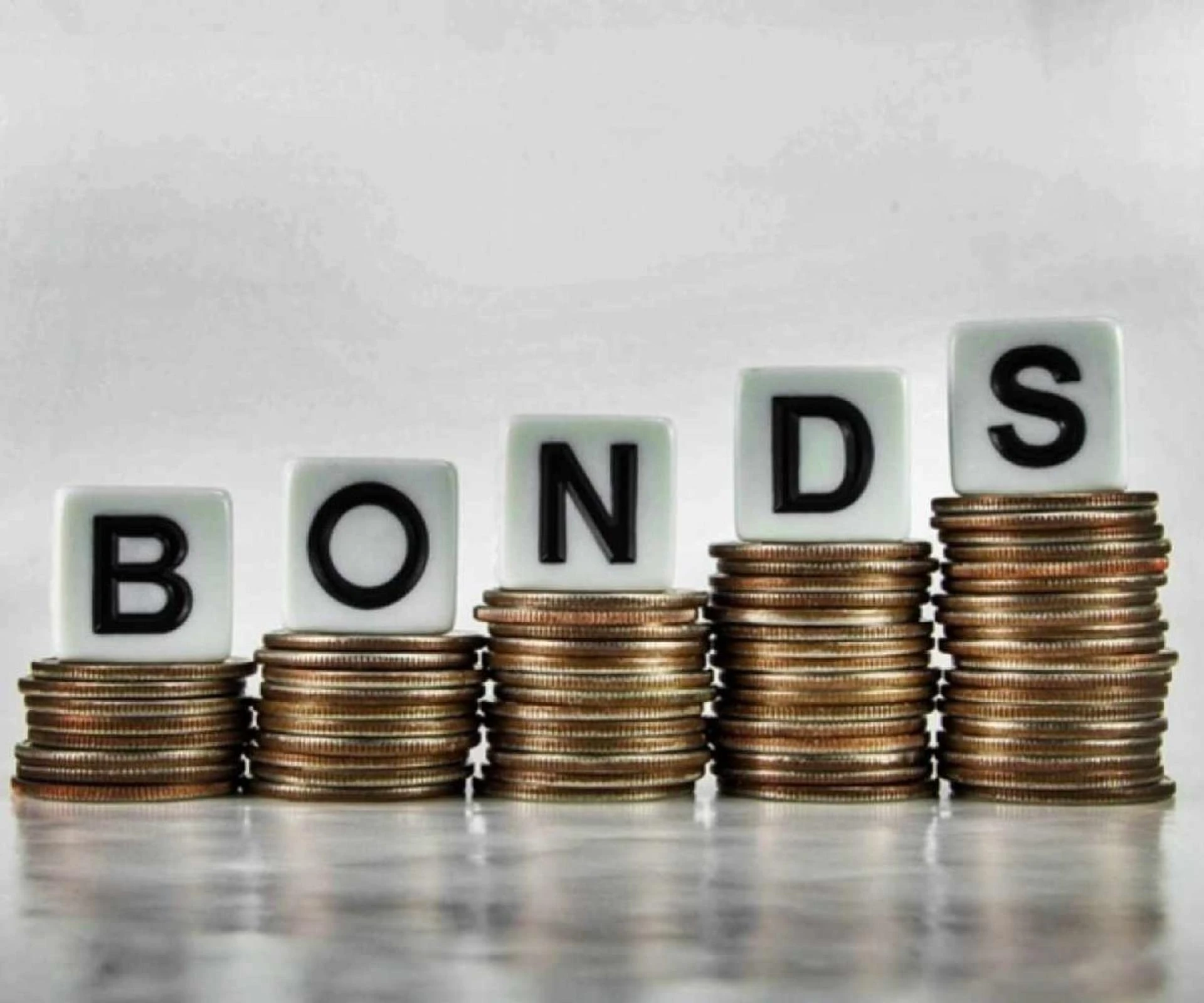
Long-term instruments are financial assets that mature over an extended period of time. Issuers use them to raise capital for long-term needs, such as infrastructure development, business expansion, or refinancing. Some common examples include Fixed Deposits, Government Securities, Corporate Bonds, or Mutual Funds.
Due to their longer tenure, they are preferred by investors seeking predictable income and portfolio stability, particularly in environments where capital preservation and consistent returns are top priorities.
Choosing based on duration and goals
The investment option that you choose between short-term and long-term debt is primarily based on your financial goals, risk tolerance, and investment range. Short-term products offer flexibility and easy exit, making them ideal for emergency funds or temporary investments. Long-term products are suitable for individuals who prefer a steady income over an extended period.
Diversifying across tenures
A smart fixed-income strategy often involves mixing durations. For instance, storing funds in short-term tools while simultaneously locking in longer-term returns can provide liquidity as well as yield. This approach is beneficial in uncertain markets where interest rates fluctuate, and capital protection becomes a priority.
In recent years, the availability and access to fixed-income securities have expanded significantly. Notably, Commercial Paper in India has seen increased adoption among both retail and institutional investors, thanks to tighter regulation and growing issuer diversity.
Benefits of short-term instruments
Short-tenure instruments like Treasury Bills and Commercial Papers offer a way to earn returns on surplus funds without the volatility of equities. Corporations typically issue these with high credit ratings and are often used for working capital needs, which makes them efficient for short-term capital reservation.
Why long-term still matters
Long-term debt instruments not only offer better yields over time but can also reduce portfolio risk. When selected with thorough research, these investments serve as a steady income stream, often acting as a financial anchor during unpredictable phases of the equity market.
Conclusion
Selecting the right balance of debt instruments depends on analysing your personal financial goals and the flexibility that you need. The key is to maintain a balance that reflects your risk appetite and investment timeline so that each component of your portfolio plays a meaningful role.

























Sign in to leave a comment.