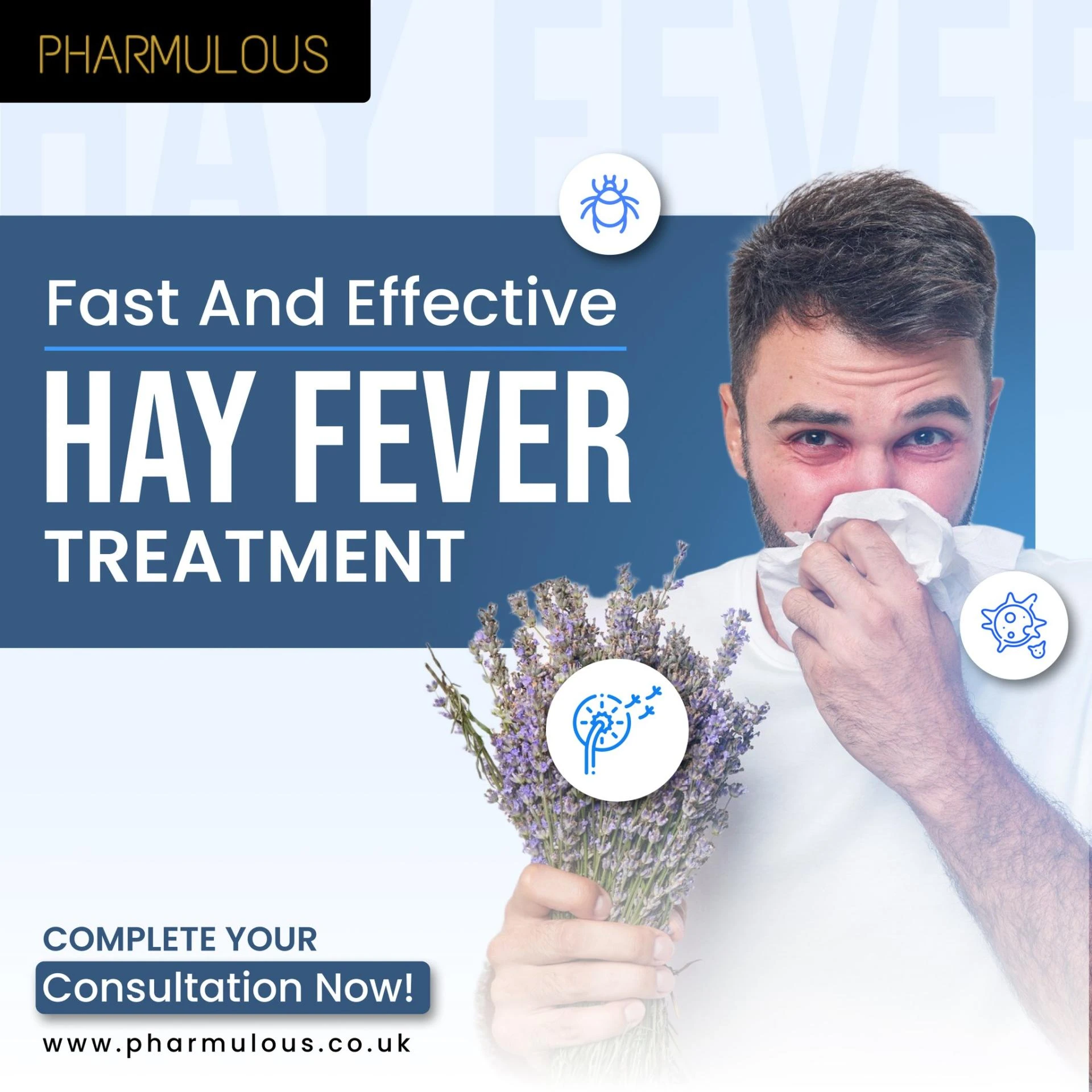

Hay fever, also known as allergic rhinitis, is extremely common and impacts several people across the world. From the runny nose and sneezing to itchy eyes, Hay fever symptoms are basically allergies. Every year, with the seasonal changes and rising pollen levels, people of every age group, especially children, bear the brunt of hay fever. As a matter of fact, the increase in the air pollution is also responsible for the fever and allergy. According to the Guardian, hay fever might get worse owing to climate change, and it's on the rise. While most people depend on medicines after doctor consultation, several believe in the misconceptions related to Hay fever medicine and treatment.
Some individuals rely on natural and homemade remedies to cure the allergy instead of trusting the doctor’s prescribed medicines. The myths often lead to ineffective treatment and prevent individuals from getting relief or worsening their symptoms over time. This is why people suffering from hay fever should not stop seeking guidance from medical experts and trying to comprehend the root cause of the symptoms. This will help in proper diagnosis and treatment through effective medicines or one may continue to suffer.
This article explores the various misconceptions associated with Hay fever and its medicines.
Myths Vs Facts: Comprehending the Truths about Hay Fever Medicine
As a common condition gripping millions of people worldwide, the prevalent myths have made it difficult for most people in the UK and other parts of the world to trust medicines. With the right awareness and resources, people can evidently rely on the effective treatment of Hay fever offered through reliable medication. Hence, it is essential to separate the facts from the myths about Hay Fever medicine and help people breathe easily and recover completely. Here are the top six myths that have been debunked.
#Myth 1. The Medicines Cause Addiction
One of the most common misconceptions that is prevalent among a major part of the population is that the medicines for hay fever are addictive and can lead to addiction. However, in reality, these medicines contain antihistamines and corticosteroid nasal sprays that do not cause addiction. In fact, some of the nasal sprays, if used for prolonged periods and consecutively, tend to lead to nasal congestion. People using this medicine as per doctor’s consultation can never get dependent. People can use it for long-term relief, as suggested by the medical expert.
#Myth 2. Natural and Home Remedies are more Effective than Medicines
Natural remedies are no doubt an alternative treatment for many diseases and are no exception for hay fever as well. However, these remedies can only offer temporary and mild relief and cannot treat the symptoms from the root. They do not have the efficiency that the Hay fever medicine can offer. Hence, this myth about home and natural remedies being extra impactful is nothing but just a misconception. Although they are pretty popular, there is no scientific evidence supporting the use of honey or saline rinses as an alternative treatment. On the contrary, the medicines for hay fever prescribed by doctors undergo vigorous testing that ensures efficiency and safety.
#Myth 3. Antihistamines Lead to Drowsiness
Several people hold the misconception that all antihistamines lead to drowsiness, thereby impacting the daily lives of an individual using the hay fever medicine. However, the fact is that certain antihistamines, such as first-generation diphenhydramine, can cause drowsiness. The newly formulated medicines containing antihistamines are used to relieve the symptoms of hay fever and are completely suitable for use in the daytime. It is essential to talk with the healthcare professional for consultation and choose a medicine without a drowsy composition. This helps in effective treatment and also does not cause any side effects.
#Myth 4. The Medicines are not Safe for Children
One of the biggest myths associated with medicines for hay fever treatment is that children should not take them as they are not safe. In reality, several antihistamines and nasal corticosteroids are considered safe for children and are prescribed by doctors. However, it is important to seek expert consultation and provide the right doses as guided by healthcare professionals. Safe administration of the dose doesn’t lead to any problems. In fact, it is important to treat the symptoms of hay fever among children to prevent sleep issues or other complications.
#Myth 5. More Medicines will offer Faster Relief
How funny is it to think that consuming more medicines will help ease and speed up the relief from hay fever symptoms? This is yet another myth that prevails among the population. However, using medication that exceeds the suggested dose by medical experts can lead to adverse effects instead of treating the symptoms. From excess drowsiness to rapid heart rate and nasal issues, an individual can experience severe side effects. The nasal sprays comprise certain formulations that can only offer relief at a particular dose, and exceeding that may not be a great idea. It is important to seek consultation and follow the dose guidelines as recommended by the expert.
#Myth 6. Medicines get Ineffective Over-time
Some people believe that hay fever medication stops working if it is taken for a long time. In reality, if the symptoms seem worse over time, it’s usually due to higher allergen levels or other health issues—not because an individual’s body has built up a tolerance. Antihistamines and corticosteroids stay effective when used consistently. If the symptoms aren’t improving, it might be time to talk to a doctor about adjusting the treatment for better and more effective results.
Final Thoughts
Believing the existing myths about hay fever medicine can lead to unnecessary discomfort and poor treatment choices. Knowing the facts helps an individual to make smarter decisions about managing allergies. When used properly, the hay fever medication offers effective relief without the risks that the misconceptions mentioned above suggest. It is extremely important to seek consultation from a healthcare professional who can help find the right treatment option for the symptoms with effective and suitable medicines.




























Sign in to leave a comment.