

Introduction to Chemical Peeling
Are you dreaming of smooth, radiant skin that glows from within? If so, chemical peeling might just be the secret weapon your skincare routine has been missing. In this blog post, we\'ll delve into the fascinating world of chemical peels with insights from a top dermatologist. Discover how this transformative treatment can help you achieve your skin goals and unleash your true radiance. Let\'s explore the science behind chemical peeling together!
What is Chemical Peeling and How Does It Work?
Chemical peeling is a popular cosmetic procedure that involves the application of chemical solutions to the skin to exfoliate and remove damaged layers. The treatment aims to improve skin texture, tone, and overall appearance by stimulating cell turnover and collagen production.
During a chemical peel, a dermatologist carefully selects a specific solution based on the patient\'s skin type and concerns. The solution is applied to the skin and left on for a certain period before being neutralized. This process triggers controlled injury to the skin, prompting it to shed outer layers and reveal fresher, healthier skin underneath.
Depending on the depth of penetration, chemical peels can target various issues such as acne scars, sun damage, fine lines, and hyperpigmentation. Superficial peels work on the outermost layer (epidermis), while medium or deep peels penetrate deeper into the dermis for more dramatic results.
The rejuvenating effects of chemical peeling make it an effective treatment for achieving smoother, brighter skin with improved texture and clarity. By promoting cellular renewal and collagen synthesis, this procedure helps address common skincare concerns for a more youthful look.
Different Types of Chemical Peels
Chemical peels come in various types, each catering to different skin concerns and desired results.
- Superficial Peels: This type of peel is gentle, targeting the outer layer of the skin to improve texture and tone. It\'s great for mild acne scars and fine lines.
2. Medium Peels: These penetrate deeper into the skin, addressing issues like pigmentation and wrinkles more effectively.
3. Deep Peels: Reserved for serious skin issues, deep peels can improve severe sun damage or deep wrinkles significantly.
4. Enzyme Peels: Using natural enzymes like papaya or pineapple, these peels are milder but still effective at exfoliating the skin gently.
5. Chemical Peel Blends: Combining different acids like glycolic acid, salicylic acid, and lactic acid can target multiple concerns in one treatment session.
Consulting a dermatologist will help determine which type of chemical peel is best suited for your specific needs and goals.
Benefits of Chemical Peeling
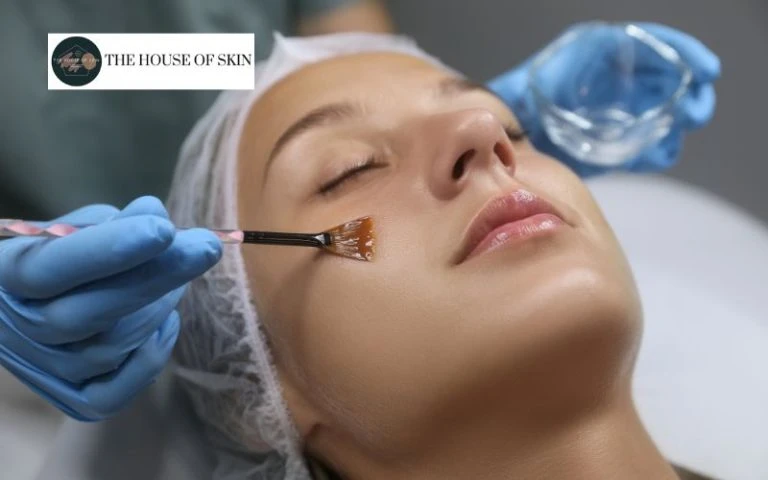
Chemical peeling offers a multitude of benefits for your skin, making it a popular choice among individuals looking to achieve a healthier complexion. One major advantage is its ability to effectively exfoliate the skin, removing dead cells and promoting cell turnover. This results in smoother, brighter skin with improved texture.
Moreover, chemical peels can help reduce the appearance of fine lines and wrinkles, giving you a more youthful look. They are also effective in treating acne scars and blemishes by unclogging pores and reducing inflammation. In addition, certain types of chemical peels can target hyperpigmentation issues such as sun spots or melasma, leading to a more even skin tone.
Furthermore, regular chemical peel treatments can stimulate collagen production in the skin, enhancing firmness and elasticity. Incorporating chemical peels into your skincare routine can help you achieve radiant and glowing skin that boosts your confidence and self-esteem.
Risks and Side Effects to Consider
When considering chemical peeling as a skincare treatment, it\'s essential to be aware of the potential risks and side effects that may arise. While chemical peels are generally safe when performed by a qualified dermatologist, there are still some factors to take into account.
One common risk is skin irritation, which can lead to redness, stinging, or burning sensations after the peel. In some cases, individuals with sensitive skin may experience heightened sensitivity or allergic reactions to the chemicals used in the peel.
Another possible side effect is hyperpigmentation or hypopigmentation, where areas of skin may become darker or lighter than the surrounding skin tone. It\'s important to discuss any history of pigmentation issues with your dermatologist before undergoing a chemical peel.
Moreover, there is a risk of infection if proper post-treatment care instructions are not followed diligently. This includes avoiding sun exposure and using recommended skincare products during the recovery period.
Being informed about these potential risks and side effects will help you make an educated decision about whether chemical peeling is the right choice for your skincare goals.
Preparing for a Chemical Peel Treatment
As you prepare for your chemical peel treatment, it\'s important to follow some guidelines to ensure the best possible results. Consult with your dermatologist about any medications or skincare products that may need to be adjusted prior to the procedure.
It\'s advisable to avoid excessive sun exposure and tanning beds leading up to your appointment as this can increase sensitivity and potential complications. Stay hydrated by drinking plenty of water in the days before your treatment; well-hydrated skin tends to respond better to peels.
On the day of your appointment, arrive with clean skin free of makeup or lotions. Your dermatologist will explain what to expect during the procedure and provide post-treatment care instructions. By taking these steps, you\'ll be well-prepared for a successful chemical peel experience.
Aftercare and Recovery Process
After undergoing a chemical peel treatment, the aftercare and recovery process is crucial for optimal results and skin healing. Your dermatologist will provide specific instructions tailored to your skin type and the type of peel you received.
During the initial days post-treatment, it\'s common to experience redness, flaking, and mild irritation as your skin undergoes the peeling process. It\'s essential to follow a gentle skincare routine recommended by your dermatologist to promote healing and prevent any complications.
Avoid direct sun exposure and always wear sunscreen to protect your newly revealed skin from UV damage. Moisturize regularly to keep your skin hydrated and aid in the healing process.
Be patient with your skin as it regenerates and avoid picking or scratching at any peeling areas. Follow-up appointments with your dermatologist are important to monitor progress and address any concerns that may arise during the recovery period.
Best Skin Doctor /Chemical Peeling in Ludhiana
Looking to revamp your skincare routine in Ludhiana? Look no further than the best skin doctor in town who specializes in chemical peeling treatments.
With their expertise and advanced techniques, you can say goodbye to dull skin and hello to a radiant complexion. Chemical peels are a popular choice for addressing various skin concerns such as acne, hyperpigmentation, and signs of aging.
By choosing the right dermatologist for your chemical peel treatment, you can ensure that you receive personalized care tailored to your unique skin needs. The best skin doctor in Ludhiana will guide you through the process from start to finish, ensuring optimal results with minimal risks.
Investing in your skin\'s health is investing in your overall well-being. So why wait? Schedule a consultation with the top dermatologist specializing in chemical peeling in Ludhiana today and take the first step towards achieving healthy, glowing skin.
Choosing the Right Dermatologist for Your Chemical Peel
When it comes to undergoing a chemical peel treatment, selecting the right dermatologist is crucial. A qualified and experienced dermatologist will ensure that the procedure is performed safely and effectively, minimizing any potential risks or complications.
To find the best skin doctor in Ludhiana for your chemical peel, start by researching their qualifications, experience, and track record. Look for reviews and testimonials from previous patients to get an idea of their reputation and patient satisfaction levels.
It\'s also important to schedule a consultation with the dermatologist before committing to the treatment. During this meeting, discuss your skin concerns, expectations, and any questions you may have about the procedure. Pay attention to how well they listen and communicate with you during this initial appointment.
Additionally, make sure that the dermatologist uses high-quality products and follows strict safety protocols in their practice. By taking these factors into consideration, you can feel confident in choosing a skilled professional who will help you achieve healthy and glowing skin through chemical peeling in Ludhiana.
Conclusion: Achieving Healthy, Glowing Skin with Chemical
Achieving Healthy, Glowing Skin with Chemical Peeling is a journey towards renewed confidence and self-care. By understanding the scientific aspects of chemical peels, you can make informed decisions about your skincare routine and treatment options. Remember to consult with the best skin doctor in Ludhiana for personalized recommendations tailored to your skin type and concerns.
With the right dermatologist by your side, you can embark on a transformative experience that enhances your natural beauty and boosts your overall well-being. Embrace the power of chemical peeling in Ludhiana as a safe and effective solution for radiant, youthful skin. Invest in yourself today and uncover a luminous complexion that radiates health from within.




























Sign in to leave a comment.