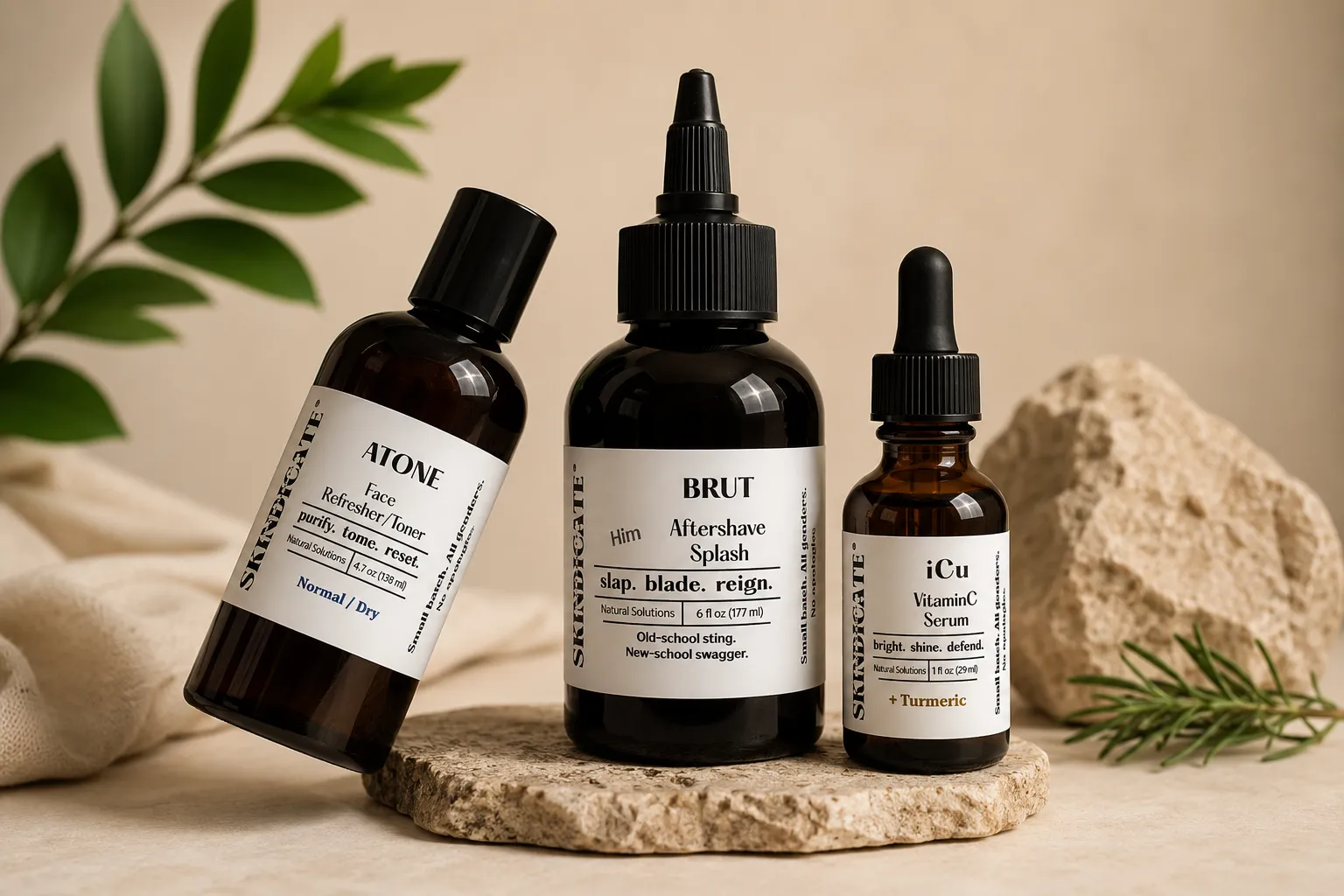

Online shopping has changed the way we care for our skincare. A few taps and a face serum, cleanser, or moisturizer lands on your doorstep within days. But this convenience comes with a hidden risk that most shoppers overlook: not knowing exactly what they're applying to their skin.
Before you buy face care products online, taking two extra minutes to read the ingredient label can be the difference between glowing skin and an unexpected breakout, allergic reaction, or wasted money. This isn't about fear-mongering or turning every shopper into a chemist. It's about building a habit that protects your skin, your health, and your budget in the long run.
Why Ingredient Labels Matter More Than Marketing Claims
Product packaging is designed to sell. Words like "natural," "dermatologist-recommended," or "clinically tested" catch attention, but they aren't regulated the same way ingredient lists are. In most countries, including the United States, cosmetic labeling laws require manufacturers to list ingredients in descending order of concentration. This means the label — not the marketing copy — tells you the real story of what's inside the bottle.
A 2022 consumer research study published by the Environmental Working Group found that nearly 1 in 3 personal care products contained at least one ingredient linked to skin irritation or hormone disruption, yet most consumers never checked the label before purchase. This gap between what's promised and what's actually inside is exactly why label literacy matters, especially when you buy face care products online and can't physically inspect the packaging beforehand.
The Problem With Buying Sight Unseen
When you shop in a physical store, you can pick up a bottle, read the back label, and even do a quick patch test on your wrist. Online shopping removes that tactile step. You're relying entirely on product photos, descriptions, and reviews — all of which can be curated to highlight the positives while glossing over potential irritants.
This is why learning to read a digital product listing the same way you'd read a physical label has become an essential skill for modern skincare shoppers.
What to Actually Look for on a Skincare Label
Reading a label isn't about memorizing chemical names. It's about knowing what a handful of key indicators tell you.
1. The First Five Ingredients
Since ingredients are listed by concentration, the first five typically make up the bulk of the formula. If water is followed by silicones and synthetic fragrance before any active ingredient appears, the product may be mostly filler with minimal actual benefit.
2. Fragrance and Essential Oil Content
Fragrance is one of the most common causes of skin irritation. According to dermatology research published in the Journal of the American Academy of Dermatology, fragrance allergies affect a significant portion of the population, and reactions often appear only after repeated use. If you have reactive or easily irritated skin, look specifically for "fragrance-free" rather than "unscented," since unscented products may still contain masking fragrances.
3. Comedogenic Ingredients
Certain oils and waxes are known to clog pores more than others. Coconut oil, for example, has a high comedogenicity rating and can trigger breakouts in acne-prone individuals, even though it's often marketed as a "natural" wonder ingredient.
4. Preservatives and Shelf Stability
Water-based products need preservatives to prevent bacterial growth. A product with zero preservatives but a 12-month shelf life listed should raise a red flag rather than be seen as a purely positive trait.
The Rise of Natural Skincare Products for Sensitive Skin
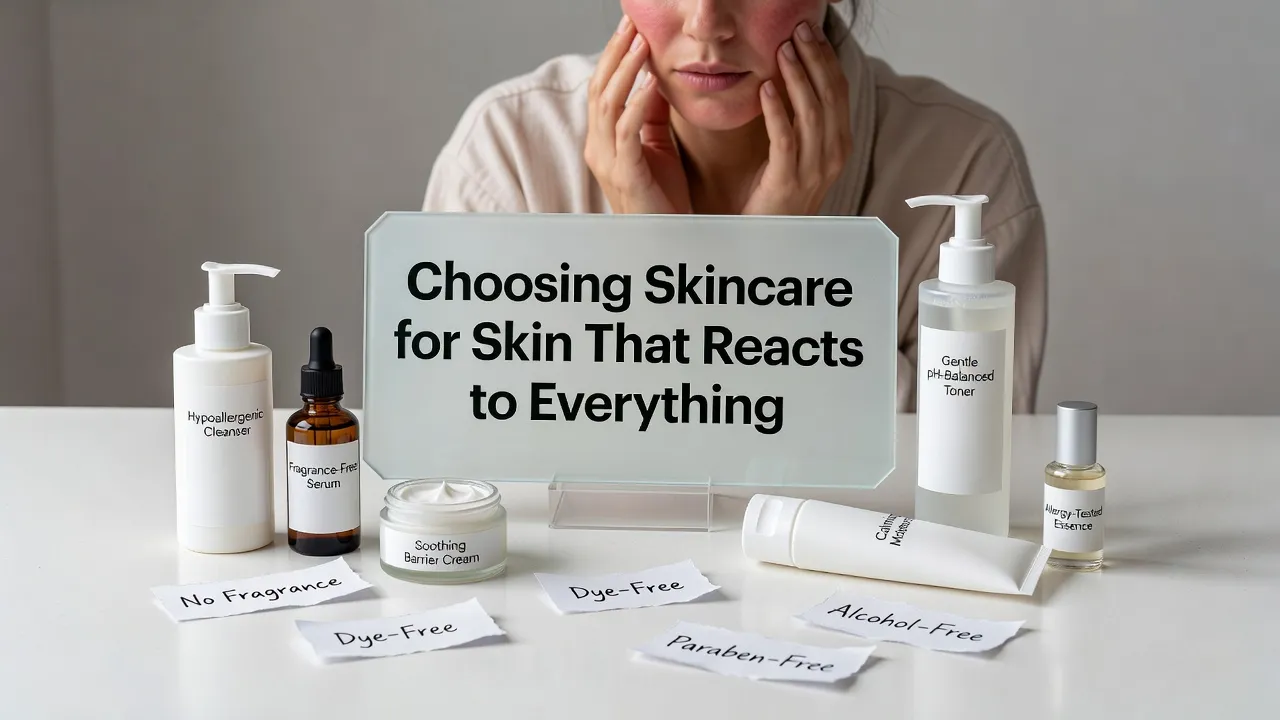
Over the past few years, demand has shifted noticeably toward natural skincare products for sensitive skin, and for good reason. Sensitive skin reacts more quickly and visibly to harsh actives, synthetic dyes, and heavy fragrance loads. However, "natural" doesn't automatically mean "safe." Poison ivy is natural too. The real value lies in formulations that combine gentle, well-researched natural ingredients with dermatologically tested safety profiles — not just a green leaf on the packaging.
When evaluating natural formulations, sensitive-skin users should specifically check for:
- Absence of known irritants like denatured alcohol and sulfates
- Presence of soothing agents such as oat extract, centella asiatica, or panthenol
- Low pH balance suited to the skin barrier
- Minimal ingredient lists, since more ingredients generally mean more potential triggers
A real-world example: many users with rosacea report flare-ups from products containing witch hazel or menthol, despite both being plant-derived and marketed as calming. This illustrates why reading the actual formulation matters more than trusting the word "natural" printed on the front of the bottle.
How This Habit Extends Beyond Skincare
Ingredient and material transparency isn't limited to face care. The same scrutiny applies to lifestyle products in general — from the fabric softeners we use on clothes to the supplements we take daily. Consumers who develop the habit of reading labels for their skincare routine often carry that awareness into other purchasing decisions, leading to more informed choices across their entire lifestyle. This ripple effect is one reason health-conscious shopping has grown steadily as a broader movement rather than a skincare-only trend.
Google's Growing Focus on E-E-A-T and Why It Matters to You as a Buyer
Recent search quality updates from Google place heavy emphasis on Experience, Expertise, Authoritativeness, and Trustworthiness (E-E-A-T), particularly for content related to health, wellness, and personal care — categories Google classifies under "Your Money or Your Life" (YMYL). This shift reflects a broader consumer reality: people are actively seeking trustworthy, well-researched information before making purchase decisions, especially in categories like skincare where misinformation can directly affect physical health.
This is precisely why brands and platforms that prioritize ingredient transparency, clear labeling, and honest communication tend to build stronger long-term trust with their audience compared to those relying purely on promotional claims.
Practical Steps Before You Buy Face Care Products Online
- Zoom into the ingredient list photo before adding to cart, not just the front-facing product image.
- Cross-check unfamiliar ingredient names using a trusted cosmetic ingredient database.
- Read verified customer reviews specifically mentioning skin type and reaction, not just overall star ratings.
- Check for third-party certifications such as dermatologically tested or cruelty-free labeling.
- Start with a smaller size or sample when trying a new brand, especially with sensitive or reactive skin.
Making this a consistent habit turns online skincare shopping from a guessing game into an informed, confident decision every time you buy face care products online.
Making Informed Choices, One Label at a Time
Reading labels isn't about becoming a skincare expert overnight. It's about slowing down just enough to make a choice that actually serves your skin, not just your cart. Whether you're exploring natural skincare products for sensitive skin or simply trying to build a more mindful approach to lifestyle products in general, the label is where the real answers live — not the packaging headline.
Frequently Asked Questions
Q1: Is it safe to trust products labeled "dermatologist tested"? Not entirely on its own. This phrase isn't strictly regulated and can mean anything from a single test to a full clinical trial. Always cross-check with the actual ingredient list.
Q2: How can I tell if a product is genuinely suited for sensitive skin? Look for a short ingredient list, absence of synthetic fragrance, and inclusion of barrier-supporting ingredients like ceramides or panthenol, rather than relying on the word "sensitive" on the packaging alone.
Q3: Are natural ingredients always better for the skin? Not necessarily. Some natural ingredients, like essential oils, can be more irritating than well-formulated synthetic alternatives. What matters is the concentration, formulation, and how it interacts with your specific skin type.
Q4: Why do the same ingredients affect people differently? Skin barrier strength, genetics, environmental exposure, and existing conditions like eczema or rosacea all influence how skin reacts, which is why patch testing remains important even with "gentle" products.
Q5: What's the first thing I should check when buying skincare online? Start with the full ingredient list rather than the marketing description, and confirm it aligns with your skin type and known sensitivities.




























Sign in to leave a comment.