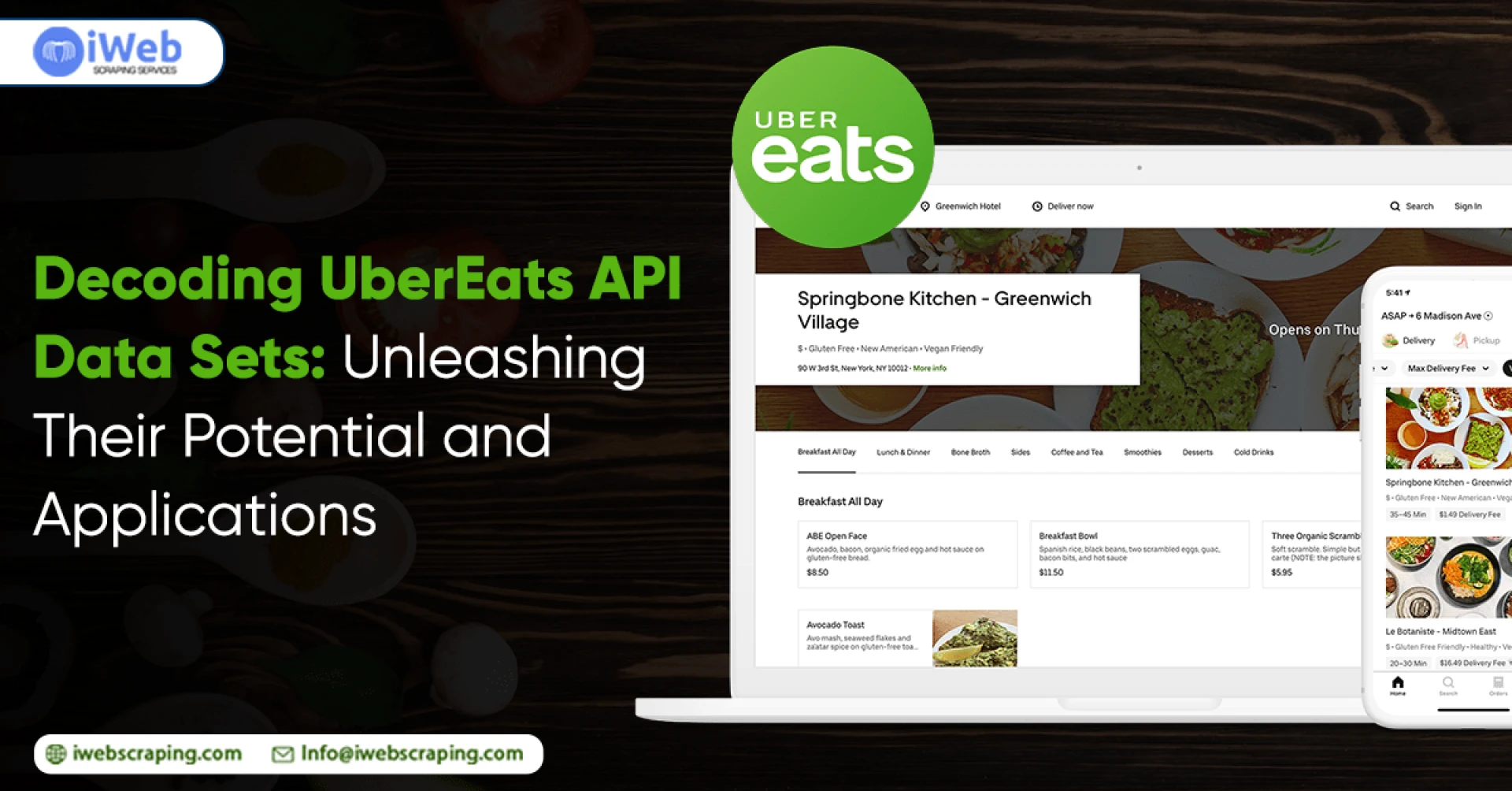

Introduction:
In the fast-paced world of technology and on-demand services, Uber and Uber Eats have become household names, revolutionizing the way we commute and dine. Behind the scenes, the treasure trove of data generated by these platforms holds immense potential for developers and businesses. In this blog post, we will delve into the intricacies of decoding Uber and Uber Eats API data sets, exploring their untapped potential and the diverse applications they can fuel.
Understanding Uber API Data:
The Uber API provides developers with access to a wealth of data, ranging from real-time ride information to historical trip data. By tapping into this API, developers can gain insights into user behavior, traffic patterns, and even explore possibilities for optimizing transportation services.
One key aspect of Uber API data is its geospatial nature. The platform's data sets include detailed information about pick-up and drop-off locations, allowing developers to analyze trends, identify popular routes, and optimize driver allocation. This information is invaluable for urban planning, traffic management, and the development of smart cities.
Moreover, the Uber API enables developers to access data on driver ratings, trip duration, and fare breakdowns. Businesses can leverage this information to enhance user experiences, tailor marketing strategies, and optimize pricing models.
Unleashing the Power of Uber Eats API Data:
Moving from rides to meals, Uber Eats API data opens up a whole new realm of possibilities. The API provides insights into customer preferences, restaurant performance, and delivery logistics. Developers can harness this data to create innovative solutions for the food industry.
For instance, by analyzing order histories and customer reviews, businesses can tailor their menus, optimize delivery times, and enhance overall customer satisfaction. This level of data-driven decision-making can give restaurants a competitive edge in a crowded market.
Additionally, the Uber Eats API allows developers to integrate delivery services into their own platforms. This opens up avenues for collaboration between food-related businesses and facilitates seamless order and delivery processes.
Applications of Decoded Uber and Uber Eats API Data:
1. **Urban Planning and Traffic Management:**
- Utilize geospatial data to understand traffic patterns and optimize transportation routes.
- Plan infrastructure developments based on popular pick-up and drop-off locations.
2. **Personalized User Experiences:**
- Leverage user and driver ratings to enhance the matching algorithm for a more personalized service.
- Tailor marketing efforts based on user preferences and behaviors.
3. **Optimizing Restaurant Operations:**
- Analyze order histories to optimize inventory and menu offerings.
- Use delivery data to improve logistics and reduce delivery times.
4. **Collaborative Business Solutions:**
- Enable third-party platforms to integrate Uber Eats delivery services, expanding the reach of restaurants.
- Foster collaborations between businesses based on shared data insights.
Conclusion:
Decoding Uber and Uber Eats API data sets unlocks a world of possibilities for developers, businesses, and city planners. The geospatial, user behavior, and transactional data offer valuable insights that can drive innovation across various industries. As technology continues to evolve, harnessing the power of API data will play a pivotal role in shaping the future of transportation, food delivery, and beyond. It's not just about decoding data; it's about unleashing its full potential for a smarter, more efficient, and user-centric world.





Sign in to leave a comment.