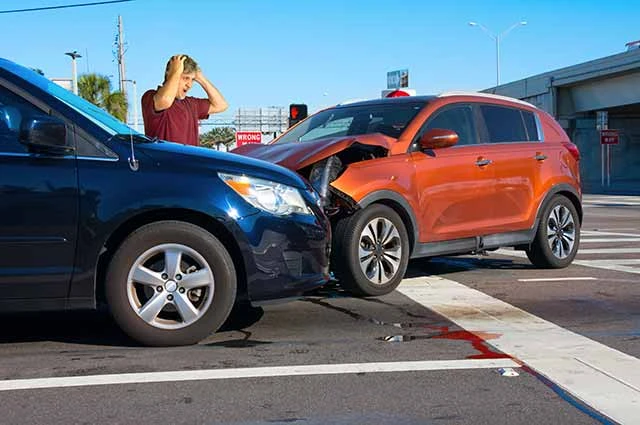
If you’ve been injured in Deerfield Beach, you may already feel overwhelmed—doctor visits, missed work, pain, and constant stress. On top of that, the insurance company often acts “friendly” while quietly looking for ways to pay you less.
Here’s the truth: strong injury claims are not built on emotion. They are built on proof. A solid case comes down to facts, records, and smart strategy. That’s exactly what an experienced Injury Lawyer Deerfield Beach focuses on—building a claim that is hard to deny and even harder to undervalue.
In this guide, we’ll break down what a strong case really looks like and what factors matter most in Florida personal injury claims.
What “Strong Case” Really Means in a Deerfield Beach Injury Claim
A strong personal injury claim is one that clearly answers three questions:
- Who caused the injury?
- What injuries and losses did it cause?
- How much compensation is fair based on proof?
Insurance companies don’t reward “good people.” They pay more when evidence is clear and risk is high.
The foundation: negligence must be proven
Most injury cases in Florida are based on negligence. That means you must show:
- Someone had a duty to act safely
- They breached that duty
- Their actions caused your injury
- You suffered damages (medical bills, lost work, pain, etc.)
If one of these is weak or missing, the claim becomes harder to win.
Strength also means “settlement pressure”
A case is strong when the other side believes:
- Your proof will hold up in court
- Your damages are real and well-documented
- A jury may award more than the insurer wants to pay
That’s when settlement offers improve.
Step One: Strong Liability (Proving Who Was at Fault)
Liability is the first major pillar of a winning claim. If fault is unclear, the insurance company will stall, deny, or reduce the payout.
What makes liability strong?
Strong liability usually includes:
- A clear event timeline
- Independent witnesses
- Police reports or incident reports
- Photos/video showing what happened
- Evidence the other party violated a safety rule
The more objective the evidence, the better.
Comparative fault can reduce or block recovery
Florida follows a comparative negligence system. That means if you are partially at fault, your compensation may be reduced.
Example: If your total damages are $100,000 and you are found 20% at fault, your recovery may drop to $80,000.
A case becomes weaker if the insurer can argue you caused or contributed to the incident.
Evidence That Makes Insurance Companies Take You Seriously
Evidence is what separates a “maybe claim” from a strong one. It turns your story into a case file that can win.
The most valuable evidence types
Here’s what strengthens injury cases fast:
- Photos of the scene (before it changes)
- Vehicle damage pictures (if a crash)
- Video footage (traffic cams, businesses, doorbell cams)
- 911 calls
- Witness statements with contact info
- Incident reports (stores, apartments, employers)
A claim becomes far stronger when evidence comes from neutral third parties.
Medical documentation is the backbone
Medical records are not optional. You need proof of:
- Diagnosis
- Treatment plan
- Medications
- Referrals
- Imaging results (X-rays, MRI, CT scans)
- Physical therapy notes
- Specialist visits
No consistent treatment = weak proof.
Medical Proof: Why “Real Injuries” Need Real Documentation
Insurance companies don’t judge injuries by pain. They judge them by paperwork.
A strong case includes medical evidence that shows:
- Injury directly connected to the accident
- Treatment started quickly
- Symptoms documented consistently
- Objective findings (like imaging)
Gaps in treatment can kill value
One of the fastest ways to damage a claim is:
- Waiting too long to get treated
- Skipping appointments
- Ignoring referrals
- Stopping therapy early
Insurers love to argue: “If it was serious, they would have treated consistently.”
Your injuries must be linked to the accident
Causation is critical. The defense will often try to say:
- You had a pre-existing condition
- The injury happened later
- Your work or daily life caused it instead
Strong cases use medical records and physician opinions to tie the injury directly to the event.
Damages: What You Can Actually Recover (and What You Must Prove)
Damages are the financial and personal losses caused by the injury. The stronger the documentation, the higher the claim value.
Economic damages (financial losses)
These often include:
- Ambulance and ER bills
- Follow-up medical treatment
- Surgery or injections
- Physical therapy
- Prescriptions
- Travel expenses to medical visits
- Lost wages
- Reduced future earning ability
To make these strong, you need bills, pay stubs, tax returns, and employer letters.
Non-economic damages (human impact)
These include:
- Pain and suffering
- Mental anguish
- Loss of enjoyment of life
- Emotional distress
- Disability or permanent impairment
These damages are real—but insurers will fight them harder. Strong cases support them with:
- Doctor notes
- Mental health treatment records
- Journal entries
- Testimony from friends/family
- Photos of lifestyle changes
Florida-Specific Issues That Can Make or Break a Case
Florida law has rules that affect injury claims differently than many other states. If you don’t follow the rules, even a legitimate injury can become difficult to win.
Car accident cases: PIP and the injury threshold
Florida has a no-fault system for many car accidents. That means your own PIP coverage may pay first, regardless of fault.
But to pursue certain damages (like pain and suffering), injuries often must meet legal thresholds, such as:
- Significant and permanent loss of an important bodily function
- Permanent injury within reasonable medical probability
- Significant and permanent scarring/disfigurement
- Death
That’s why medical documentation becomes even more important in auto cases.
Filing deadlines matter more than people realize
Florida has strict statutes of limitation. Miss the deadline, and you may lose your right to recover anything—no matter how serious the injury is.
A strong claim starts early, with evidence preserved and deadlines tracked.
Common Mistakes That Weaken Deerfield Beach Injury Claims
Even good cases can lose value if common mistakes happen early.
Mistakes that insurers love
These issues can seriously weaken your case:
- Waiting days (or weeks) to seek medical care
- Posting about the accident on social media
- Giving recorded statements without legal advice
- Accepting early settlement offers
- Not following doctor instructions
- Failing to document pain progression
- Not keeping receipts and proof of expenses
“It’s not that bad” is the wrong mindset
Many people downplay pain early on. But later, when symptoms worsen, it’s harder to prove.
A strong case takes injuries seriously from day one.
What a Strong Case File Looks Like (Behind the Scenes)
Most clients never see what happens behind the curtain. But the strongest claims are organized like a court-ready trial package.
Strong cases are built like a legal proof system
A strong injury claim file typically includes:
- Liability evidence packet
- Medical timeline
- Full medical records + billing ledger
- Wage loss verification
- Photographs and video files
- Demand letter supported by evidence
- Expert opinions (when needed)
This makes the claim hard to ignore and difficult to undervalue.
Experts can boost claim power
Not every case needs experts, but high-value cases often use:
- Accident reconstruction experts
- Medical experts
- Life care planners
- Vocational experts (loss of job ability)
Experts strengthen causation and future damages.
How to Know If Your Injury Claim Is Truly Strong
Not every case is a million-dollar case. And pretending it is will only lead to disappointment. The strongest cases tend to have these factors:
Strong claim indicators
Your case is likely strong if:
- Fault is clear
- You received treatment immediately
- You have objective medical findings
- You followed medical instructions
- You have significant financial losses
- Your injury disrupted your daily life
- Documentation is consistent across the board
Weak claim warning signs
Your case may be weaker if:
- No witnesses and unclear fault
- Delayed treatment
- Minimal medical visits
- No imaging or specialist care
- Inconsistent injury complaints
- Big gaps in treatment
That doesn’t mean you have no case—it just means it must be built carefully.
Final Thoughts: Strong Claims Are Built, Not Hoped For
Injury cases are not about who’s “right.” They’re about what can be proven. If you want full compensation, you need a claim built on evidence, medical support, and strategy—not guesswork.
A strong Deerfield Beach injury claim usually comes down to:
- Clear liability
- Fast, consistent medical care
- Solid records of damages
- Clean timelines and credibility
- No careless mistakes after the accident
If you treat your claim seriously from day one, you give yourself the best shot at a real result that actually covers what this injury has cost you.




























Sign in to leave a comment.