
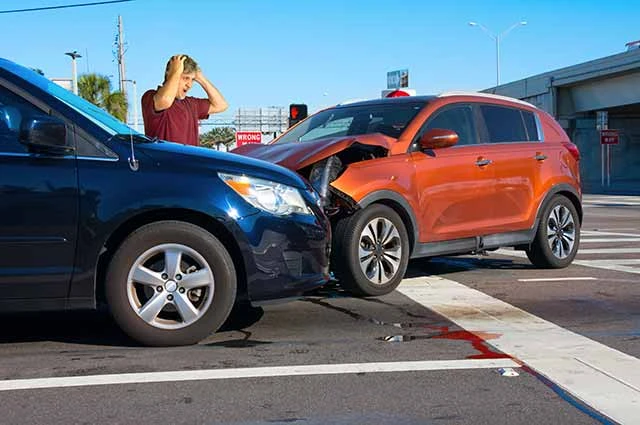
A car crash can shake you up fast. Even a minor collision can leave you stressed, confused, and unsure about what to do next. In those first few minutes, your decisions matter more than you might realize. The right actions help protect your health, your finances, and your legal rights.
Many people don’t think about calling an Accident Attorney in Coral Springs until problems start showing up later — medical bills, insurance disputes, or lingering injuries. By then, small mistakes made at the scene can complicate everything. Knowing what to do right away puts you in a much stronger position.
Let’s walk through the steps that actually make a difference.
Check Safety First
Your first priority is always safety. Before worrying about insurance, paperwork, or fault, make sure everyone is out of immediate danger.
Assess Injuries Immediately
Take a moment to check yourself and others for injuries. Some symptoms don’t appear instantly, especially after the adrenaline rush of a crash.
Look for:
- Dizziness or confusion
- Neck, back, or head pain
- Numbness or tingling
- Difficulty moving
If anyone is hurt, call 911 right away. Even injuries that seem minor can become serious if ignored.
Move to a Safe Location If Possible
If the vehicles are drivable and it’s safe to move them, pull over to the shoulder or a nearby parking lot. This reduces the risk of another collision.
Turn on hazard lights and stay visible. Florida roads can be busy, and secondary crashes happen more often than people expect.
Call Law Enforcement
In Florida, calling the police after a crash is not just smart — it’s often legally required.
Why a Police Report Matters
A police report creates an official record of what happened. Insurance companies rely heavily on it when evaluating claims.
Without a report, you may face:
- Disputes about fault
- Delays in claim processing
- Difficulty proving damages
Even in seemingly small crashes, documentation protects you.
Stay Calm When Speaking to Officers
Answer questions clearly and honestly. Stick to facts.
Avoid statements like:
- “It was my fault.”
- “I didn’t see them.”
- “I’m fine.”
You’re not required to guess or admit anything. Simply describe what you observed.
Exchange Information Properly
This step sounds simple, but mistakes here are extremely common.
What Information You Actually Need
Collect:
- Full name and contact details
- Driver’s license number
- Insurance company and policy number
- Vehicle make, model, and plate number
Double-check details. Incorrect information leads to headaches later.
Avoid Emotional Conversations
Tensions run high after a crash. Keep interactions polite and brief.
Avoid:
- Arguments
- Blame discussions
- Apologies
Anything said can potentially be used in insurance or legal disputes.
Document Everything
Your phone becomes your most valuable tool at the scene.
Take Strategic Photos
Capture:
- Vehicle damage (multiple angles)
- Road conditions
- Traffic signals and signs
- Skid marks or debris
- Visible injuries
These images often become critical evidence.
Gather Witness Details
If anyone saw the crash, politely ask for their contact information. Independent witnesses carry serious weight in claims.
Memory fades. Evidence doesn’t.
Seek Medical Attention
This is where many people make costly mistakes.
Hidden Injuries Are Real
Not all injuries hurt right away. Soft tissue injuries, concussions, and internal trauma can develop hours or days later.
Skipping medical evaluation can:
- Endanger your health
- Weaken your claim
- Give insurers room to argue
A quick checkup protects both you and your case.
Follow Through With Treatment
If a doctor recommends follow-up care, don’t ignore it.
Gaps in treatment raise red flags for insurance adjusters. Consistency matters more than people realize.
Notify Your Insurance Company
Prompt reporting is usually required under your policy.
Stick to Basic Facts
Provide:
- Date, time, and location
- Vehicles involved
- Police report details
Avoid detailed speculation about fault or injuries.
Be Careful With Recorded Statements
Insurance adjusters may request recorded statements. You are not always obligated to provide one immediately.
Speaking too soon can unintentionally damage your position.
Understand Florida’s Insurance Rules
Florida operates under a no-fault insurance system, which often confuses drivers.
What No-Fault Really Means
Your Personal Injury Protection (PIP) coverage typically pays for:
- Medical expenses
- Lost wages
- Certain related costs
This applies regardless of who caused the crash.
When Fault Still Matters
Serious injuries may allow claims beyond PIP coverage. Fault becomes crucial when:
- Injuries exceed thresholds
- Long-term treatment is needed
- Significant damages occur
This is where legal guidance often becomes necessary.
Watch for Common Insurance Tactics
Insurance companies are businesses. Their goal is minimizing payouts.
Quick Settlement Pressure
Early offers may sound appealing, especially when bills start piling up.
The problem?
You may not yet know:
- Full medical costs
- Long-term effects
- Future treatment needs
Accepting too early can leave you paying out of pocket later.
Downplaying Injuries
Adjusters often suggest injuries are minor or unrelated.
Strong documentation, medical records, and proper timing help counter this.
Protect Your Legal Rights
Small missteps can weaken otherwise valid claims.
Avoid Social Media Mistakes
Posting about the crash or your activities can be risky.
Even harmless posts can be misinterpreted:
- Photos
- Check-ins
- Casual comments
Insurance investigators do look.
Keep Records Organized
Save:
- Medical bills
- Repair estimates
- Correspondence
- Receipts
Disorganized documentation slows claims and complicates disputes.
When Legal Help Becomes Important
Not every crash requires an attorney, but many situations benefit from one.
Signs You Should Consider Guidance
- Injuries requiring ongoing care
- Disputed liability
- Denied or delayed claims
- Significant vehicle damage
- Pressure from insurers
Legal support often shifts the balance of negotiations.
What an Attorney Actually Does
A qualified professional can help:
- Evaluate claim value
- Handle insurer communication
- Gather supporting evidence
- Prevent costly mistakes
- Negotiate settlements
Most importantly, they remove stress during an already difficult time.
Long-Term Considerations After a Crash
The effects of a collision often extend beyond the immediate aftermath.
Financial Impact
Unexpected costs may include:
- Medical treatment
- Physical therapy
- Lost income
- Vehicle repairs
- Rental expenses
Planning ahead matters.
Physical and Emotional Recovery
Even minor crashes can trigger:
- Anxiety while driving
- Sleep disruption
- Stress symptoms
These effects are normal and treatable.
Ignoring them isn’t.
Final Thoughts
A car crash disrupts your day, your plans, and sometimes your life. But the steps you take afterward shape how difficult the recovery process becomes.
Staying calm, documenting carefully, seeking medical care, and handling insurance interactions wisely all work in your favor. Most problems that arise after crashes don’t come from the accident itself — they come from preventable mistakes made afterward.
Knowing what to do doesn’t eliminate stress, but it dramatically reduces complications. And when injuries, bills, or disputes start stacking up, informed decisions become even more valuable.
Because after a crash, protecting yourself isn’t just about fixing a car — it’s about safeguarding your future.

























Sign in to leave a comment.