
Delayed Symptoms After A Car Accident: What You Need to Know
Car accidents can be a traumatic and overwhelming experience, leaving victims to grapple with the aftermath. While some common car accident injuries may be immediately apparent, others can manifest days or even weeks later as delayed car accident injuries or hidden injuries after a car accident, catching unsuspecting individuals off guard. These delayed symptoms after car accident can range from mild discomfort to severe, life-threatening conditions, underscoring the importance of vigilance and prompt medical attention following a collision.
In this comprehensive guide, we'll explore the common delayed onset injuries you should watch out for, the potential underlying causes, and the crucial steps you can take to protect your health and secure fair compensation. Whether you're a recent car accident survivor or simply want to be prepared, this article will equip you with the knowledge and resources to navigate the complexities of delayed injury symptoms.
Understanding the Delayed Injury Phenomenon
One of the primary reasons why certain common injuries after a car accident may not present symptoms right away is the body's natural response to trauma. When the body experiences a sudden, intense impact, it releases a surge of endorphins and adrenaline as a protective mechanism, leading to car accident shock symptoms. These hormones can mask pain and discomfort, making it difficult for the victim to recognize the full extent of their injuries.
As the endorphin levels subside and the body's natural defenses return to normal, the true nature of the injuries may become more apparent. This delay can range from a few hours to several weeks, depending on the type and severity of the injury. It's important to note that even seemingly minor accidents can result in significant hidden injuries, underscoring the need for vigilance and prompt medical attention.
Common Delayed Injury Symptoms After a Car Accident
Headaches and Traumatic Brain Injuries
Headaches are a common delayed symptom following a car accident, and they can be indicative of a more serious underlying condition, such as a concussion or other traumatic brain injury (TBI). The sudden impact of a collision can cause blunt force trauma to the head, resulting in bruising, swelling, or even bleeding within the brain. While some TBIs may be immediately apparent, others may not manifest traumatic brain injury symptoms until days or even weeks later.
Persistent or worsening headaches, dizziness, confusion, and mood changes can all be signs of a TBI or head injury. Other head injury symptoms and brain injury symptoms to watch for include nausea, vomiting, seizures, fatigue, blurred vision, ringing in ears, memory loss, loss of consciousness, sensitivity to light, balance problems, difficulty concentrating, and cognitive problems. These symptoms can indicate brain damage, and the long term effects of traumatic brain injury can be significant. Seeking prompt medical attention is crucial, as untreated brain damage symptoms can lead to long-term complications and even life-threatening consequences.
Neck Pain and Whiplash
Whiplash is a well-known delayed injury associated with car accidents, particularly in rear-end collisions. The sudden jerking motion of the head can cause significant strain on the neck muscles, ligaments, and tendons, leading to pain, stiffness, and limited range of motion. While some individuals may experience immediate neck discomfort, others may not notice the whiplash symptoms until several days after the accident.
In addition to whiplash, neck pain can also indicate more serious spinal cord injuries or damage to the vertebrae. Ignoring these symptoms can lead to long-term complications, such as chronic pain, reduced mobility, and even neurological issues.
Back Pain and Spinal Injuries
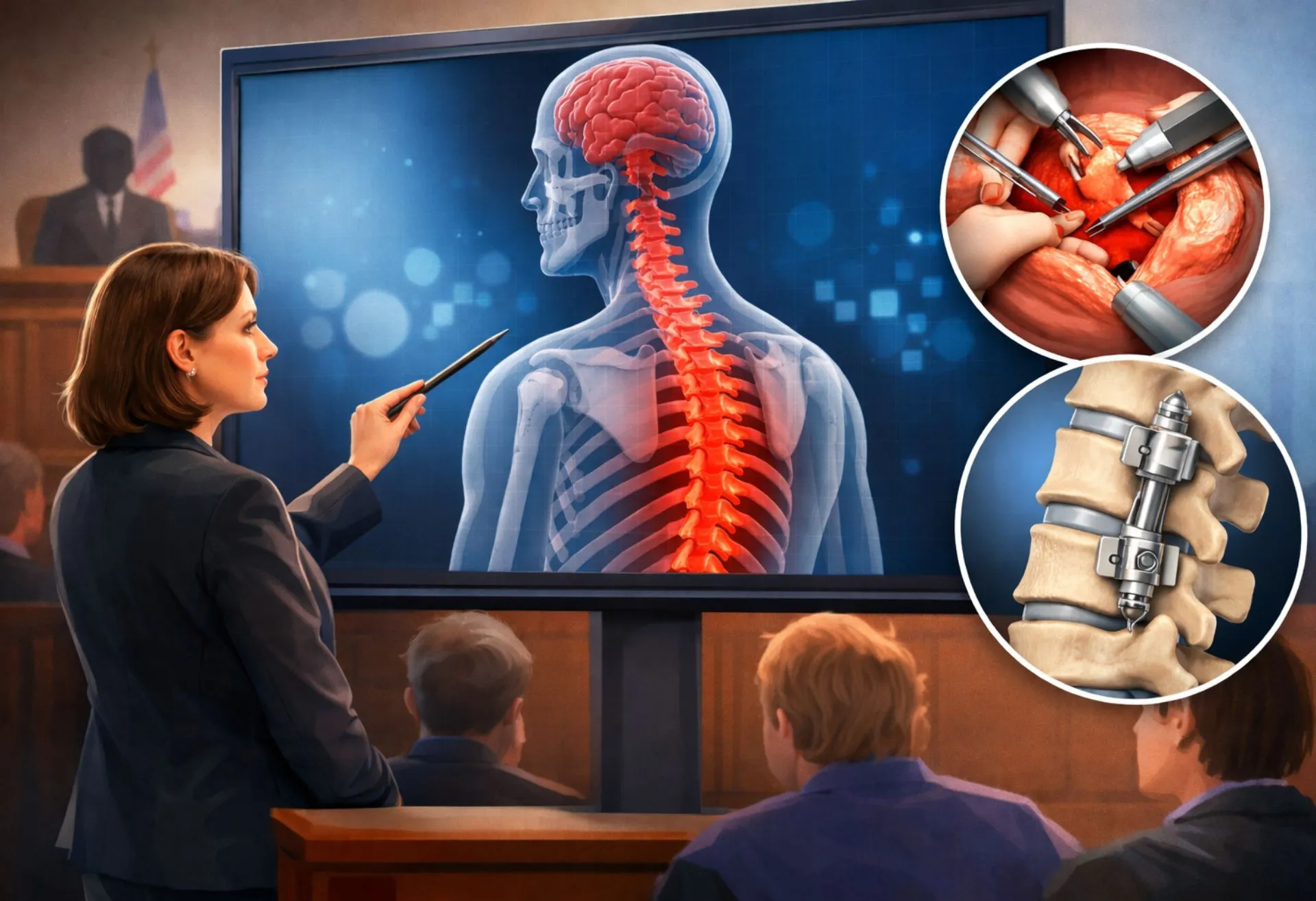
The impact of a car accident can also result in a variety of back injuries, including herniated discs, spinal fractures, and soft tissue damage. These injuries may not be immediately apparent, as the initial adrenaline rush can mask the pain and discomfort. Over time, however, the inflammation and swelling can set in, leading to persistent back pain, limited mobility, and even radiating pain or numbness in the extremities.
Seeking prompt medical attention is crucial, as untreated spinal injuries can lead to long-term complications, such as chronic pain, paralysis, and even life-threatening complications.
Abdominal Pain and Internal Bleeding
Abdominal pain following a car accident can be a sign of internal bleeding or organ damage, which can be life-threatening if not treated promptly. The force of the impact can cause blunt trauma to the abdomen, leading to internal injuries that may not be immediately visible. Symptoms such as persistent pain, dizziness, fainting, and bruising should be taken seriously and require immediate medical attention.
Internal bleeding may not always be externally visible, making it critical for car accident victims to be vigilant and seek medical care, even if they initially feel fine. Delaying treatment can lead to severe complications and potentially fatal consequences.
Numbness, Tingling, and Nerve Damage
Nerve damage is another common delayed injury after a car accident, and it can manifest through symptoms such as numbness, tingling sensation, or even weakness in the affected limbs. This type of injury can be caused by spinal cord damage, herniated discs, or other traumatic injuries to the nerves.
Ignoring these symptoms can lead to long-term neurological issues, including chronic pain, loss of sensation, and even paralysis. Prompt medical attention is crucial to assess the extent of the injury and develop an appropriate treatment plan.
Emotional and Psychological Changes
In addition to the physical injuries, car accidents can also have a profound impact on a victim's emotional and psychological well-being. Delayed symptoms such as anxiety, depression, post-traumatic stress disorder (PTSD), and changes in behavior or cognition can all be indicators of the psychological toll of the accident.
These emotional and psychological changes can be just as debilitating as physical injuries, and they often require specialized treatment, such as counseling and therapy. Recognizing and addressing these symptoms is crucial for a comprehensive recovery.
Seeking Medical Attention and Protecting Your Rights
If you've been involved in a car accident, it's essential to seek medical attention, even if you don't feel injured at the time. A thorough evaluation by a healthcare professional can help identify any underlying injuries or conditions that may not be immediately apparent, including potential head trauma and head trauma symptoms. This not only protects your health but also creates a documented record of your injuries, which can be crucial if you decide to pursue legal action.
It's important to note that insurance companies may try to settle your claim quickly, often before the full extent of your injuries is known. Signing a release of liability form too soon can jeopardize your ability to receive fair compensation for your injuries, including those that manifest later. It's recommended to consult with a personal injury attorney who can guide you through the process and ensure your rights are protected.
The Role of a Personal Injury Attorney
Navigating the aftermath of a car accident can be a complex and overwhelming process, especially when dealing with delayed injury symptoms. A personal injury attorney can be an invaluable resource in helping you secure the compensation you deserve.
An experienced attorney can:
Thoroughly investigate the accident and gather evidence to establish liabilityCoordinate with medical professionals to document your injuries and the associated costsNegotiate with insurance companies to ensure you receive fair and adequate compensationRepresent you in court if necessary, fighting to protect your rights and maximize your recoveryBy working with a personal injury attorney, you can focus on your recovery while they handle the legal and financial aspects of your case, ensuring you receive the support and resources you need during this challenging time.
Conclusion
Delayed injury symptoms after a car accident can be a significant challenge, but with the right knowledge and support, you can navigate this process and protect your health and financial well-being. By staying vigilant, seeking prompt medical attention, and working with a skilled personal injury attorney, you can ensure that your rights are protected and that you receive the compensation you deserve.
Remember, your health and safety should always be the top priority. Don't hesitate to seek medical care, even if you feel fine in the immediate aftermath of a car accident. Early intervention can make a crucial difference in your recovery and long-term well-being, especially when it comes to identifying and treating a potential concussion or other serious injuries.
The Martinez Law Firm is your trusted Personal Injury Lawyer in Austin, Texas, dedicated to helping accident victims like you. With a proven track record of success and a commitment to compassionate, client-focused representation, we are here to guide you through every step of the process. Call us today at (512) 444-0025 for a free case evaluation and let us fight for the justice and compensation you deserve.





























Sign in to leave a comment.