
Delhi has always had a pulse for creativity — from the lanes of Hauz Khas to the murals of Lodhi Colony. But if you've been searching for a contemporary art platform Delhi residents and art lovers can genuinely connect with, Ochre Art is a name that deserves your attention. In a city where the art world can feel selective and insider-only, Ochre Art positions itself as a real alternative to mainstream galleries — a space where emerging voices, experimental ideas, and curious audiences all find a home.
What Makes a Contemporary Art Platform Different?
Traditional galleries have their role. They preserve legacy, house established artists, and serve serious collectors. But they often leave a gap — for the young painter from Lajpat Nagar, the installation artist with unconventional ideas, or the first-time art buyer who finds white-cube galleries intimidating.
A contemporary art platform fills that gap. It's more accessible, more conversational, and more focused on what art is doing right now — not just what sold well ten years ago. Platforms like Ochre Art bridge the distance between artist and audience in ways that established institutions rarely do.
Delhi's Art Scene: Bigger Than You Think
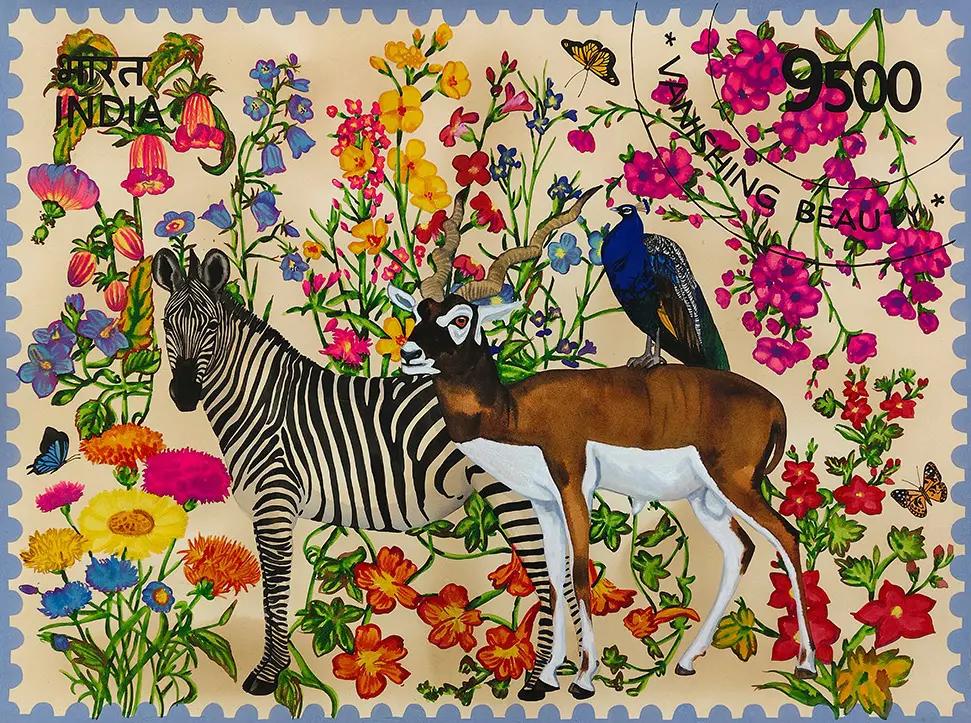
Delhi is home to India Art Fair, the Kiran Nadar Museum of Art, Lodhi Art District's open-air murals, and collectives like KHOJ that push boundaries in experimental art. The city regularly attracts both Indian and international artists, and events like Delhi Contemporary Art Week have helped build a genuine culture of discourse around new work.
Yet despite all this activity, many artists — especially those without gallery connections — struggle to find visibility. That's precisely the problem Ochre Art is designed to solve.
Ochre Art as an Alternative to Mainstream Galleries
Here's where it gets interesting. As an alternative to mainstream galleries, Ochre Art does a few things differently:
It prioritises discovery over prestige. Rather than curating only blue-chip names, the platform actively showcases emerging and mid-career artists who are making compelling work but haven't yet broken through the traditional gallery circuit.
It removes barriers for art buyers too. First-time collectors often feel out of their depth in formal gallery settings. Ochre Art's approach is more open and educational — you're invited to look, ask questions, and engage without the pressure of an auction-room atmosphere.
It embraces digital as much as physical. In a post-pandemic world, a contemporary art platform that lives online as well as offline reaches audiences far beyond Delhi's gallery corridors.
Who Is Ochre Art For?
Honestly? It's for a lot of people. If you're an artist looking for a platform that takes your work seriously without requiring you to already be famous, Ochre Art makes sense. If you're a collector — seasoned or just starting — and you want to discover genuinely interesting work from today's Indian artists, it's worth your time. And if you're simply someone who loves art and wants to engage with it more meaningfully, Ochre Art offers that too.
Why Delhi Needs More Platforms Like This
Delhi's creative community is large, diverse, and incredibly productive. But the infrastructure to support it hasn't always kept pace. More open, inclusive, and digitally-savvy platforms are exactly what the city needs to ensure that its best artists get seen — and that its art lovers have more than a handful of established addresses to visit.
Ochre Art, as a contemporary art platform Delhi can be proud of, is part of that shift. It's building something more democratic, more dynamic, and frankly more exciting than what most traditional spaces offer.
Frequently Asked Questions
1. What is a contemporary art platform and how is it different from a gallery? A contemporary art platform is a broader ecosystem — often combining online discovery, physical exhibitions, and community engagement — focused on living artists and current practice. Unlike traditional galleries, which tend to represent a curated roster and sell to established collectors, platforms are typically more open and accessible to both artists and buyers at all levels.
2. Is Ochre Art suitable for first-time art buyers? Yes. Ochre Art is designed to be approachable for people who are new to buying art. The focus is on discovery and education as much as transaction, so you won't feel out of place if you're exploring for the first time.
3. How can emerging artists submit their work to Ochre Art? Emerging artists can visit ochreart.org to find information on how to apply or submit work. The platform is built to support artists who are building their careers and looking for visibility beyond traditional gallery channels.
4. Why is Delhi a good city for contemporary art? Delhi hosts India Art Fair, major institutions like the Kiran Nadar Museum of Art, and vibrant independent initiatives like Lodhi Art District and KHOJ. The city has a large, educated creative community and a growing collector base, making it one of South Asia's most important art hubs.
5. What makes Ochre Art an alternative to mainstream galleries? Ochre Art prioritises inclusivity, emerging talent, and accessibility — qualities that traditional galleries with established rosters and formal environments often don't offer. It's a space where new conversations about art can happen freely, without the gatekeeping that characterises much of the conventional art world.
Conclusion
Delhi's art world is evolving fast. Whether you're an artist, a collector, or simply someone who wants art to be part of your everyday life, the rise of platforms like Ochre Art signals something important: the future of art in India doesn't have to run through the same old gatekeepers. As a genuine alternative to mainstream galleries, Ochre Art is making the contemporary art platform Delhi has needed for a long time — accessible, vibrant, and rooted in what's actually happening in art today.



























Sign in to leave a comment.