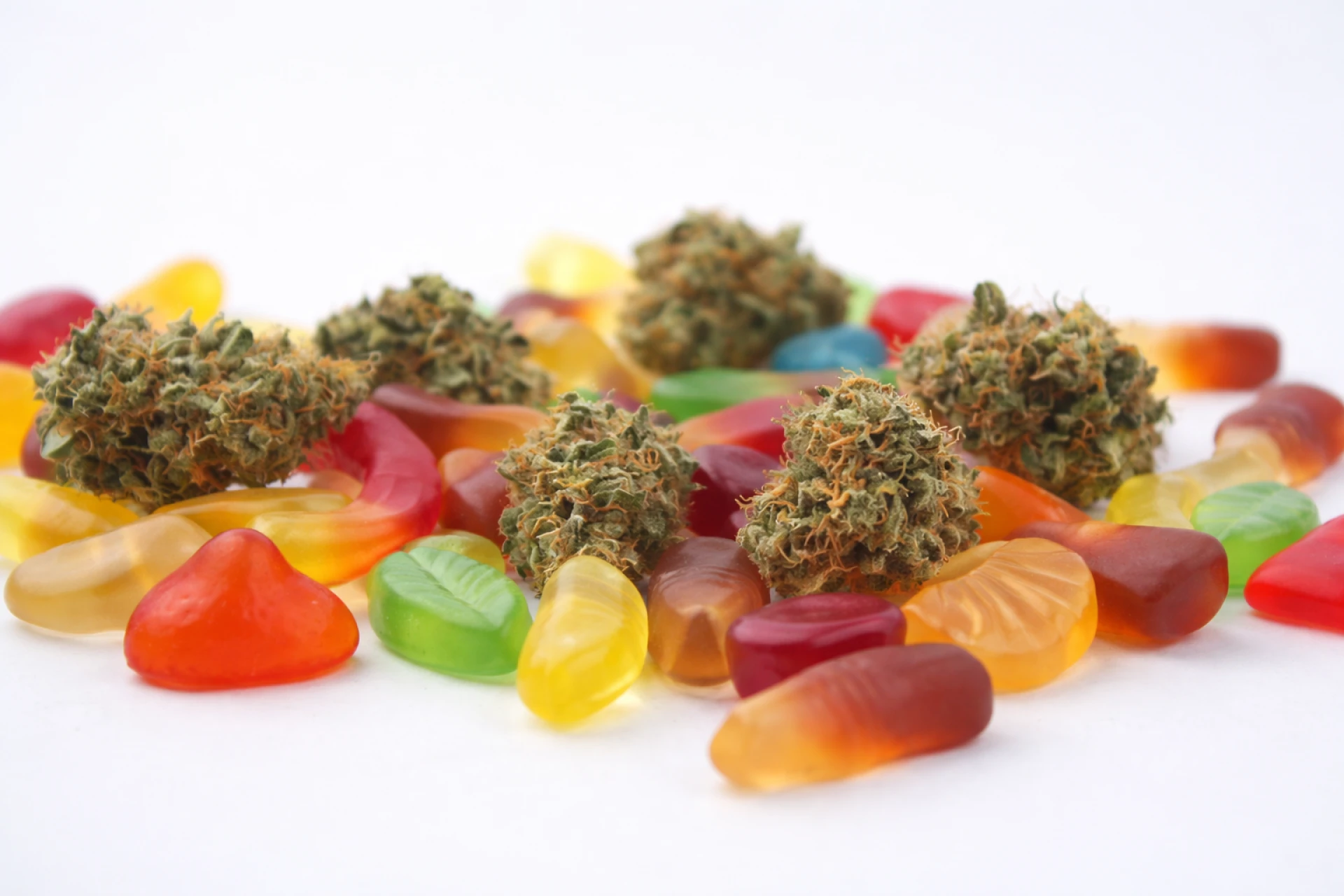

Edibles have become a preferred option for many consumers seeking longer-lasting cannabinoid effects. Yet confusion persists around delta 8 vs delta 9 edibles, particularly for those aiming for predictable, repeatable experiences. Differences in potency, metabolism, and user response often lead to mixed expectations. A closer, evidence-based perspective helps clarify what truly separates these two compounds.
This guide breaks down the practical differences, focusing on measurable effects, onset patterns, and factors that influence consistency.

Understanding the Core Chemical Differences
What Makes Delta 8 and Delta 9 Distinct?
Delta-8 THC and Delta-9 THC share a nearly identical molecular structure. The difference lies in the placement of a double bond, which subtly alters how each compound interacts with the body’s endocannabinoid receptors.
From a functional standpoint:
- Delta-9 THC binds more strongly to CB1 receptors
- Delta-8 THC exhibits weaker receptor affinity
- Binding strength influences perceived intensity
This small structural variation produces noticeably different psychoactive profiles.
Potency and Perceived Strength
Why Delta-9 Often Feels Stronger
Controlled observations and user reports consistently indicate higher psychoactive intensity with Delta-9 THC. The stronger receptor interaction leads to more pronounced effects at similar milligram doses.
Typical comparisons suggest:
- Delta-9 THC produces greater euphoria and sensory alteration
- Delta-8 THC delivers milder cognitive changes
- Many users describe Delta-8 as smoother or less overwhelming
These distinctions matter significantly when dosing edibles.
Onset Time and Duration
Edible Absorption Follows a Different Pathway
Unlike inhaled cannabinoids, edibles undergo liver metabolism. Both Delta-8 and Delta-9 convert into 11-hydroxy-THC, a metabolite known for its enhanced psychoactive impact.
However, real-world timing can vary:
- Onset Window: Commonly 30 to 120 minutes
- Peak Effects: Often between 2 and 4 hours
- Total Duration: Frequently 6 to 8 hours or longer
Variability is influenced more by digestion and metabolism than cannabinoid type alone.
Why Consistency Can Be Challenging
Key Variables That Affect Edible Experiences
Inconsistent results rarely stem from the compound itself. Instead, biological and situational factors introduce variability.
Major influences include:
- Body Composition: Fat percentage alters cannabinoid storage
- Metabolic Rate: Faster metabolism may shorten the effects
- Food Intake: Empty stomach increases absorption speed
- Tolerance Levels: Repeated use reduces sensitivity
- Product Formulation: Quality and uniformity matter
Understanding these variables helps set realistic expectations.
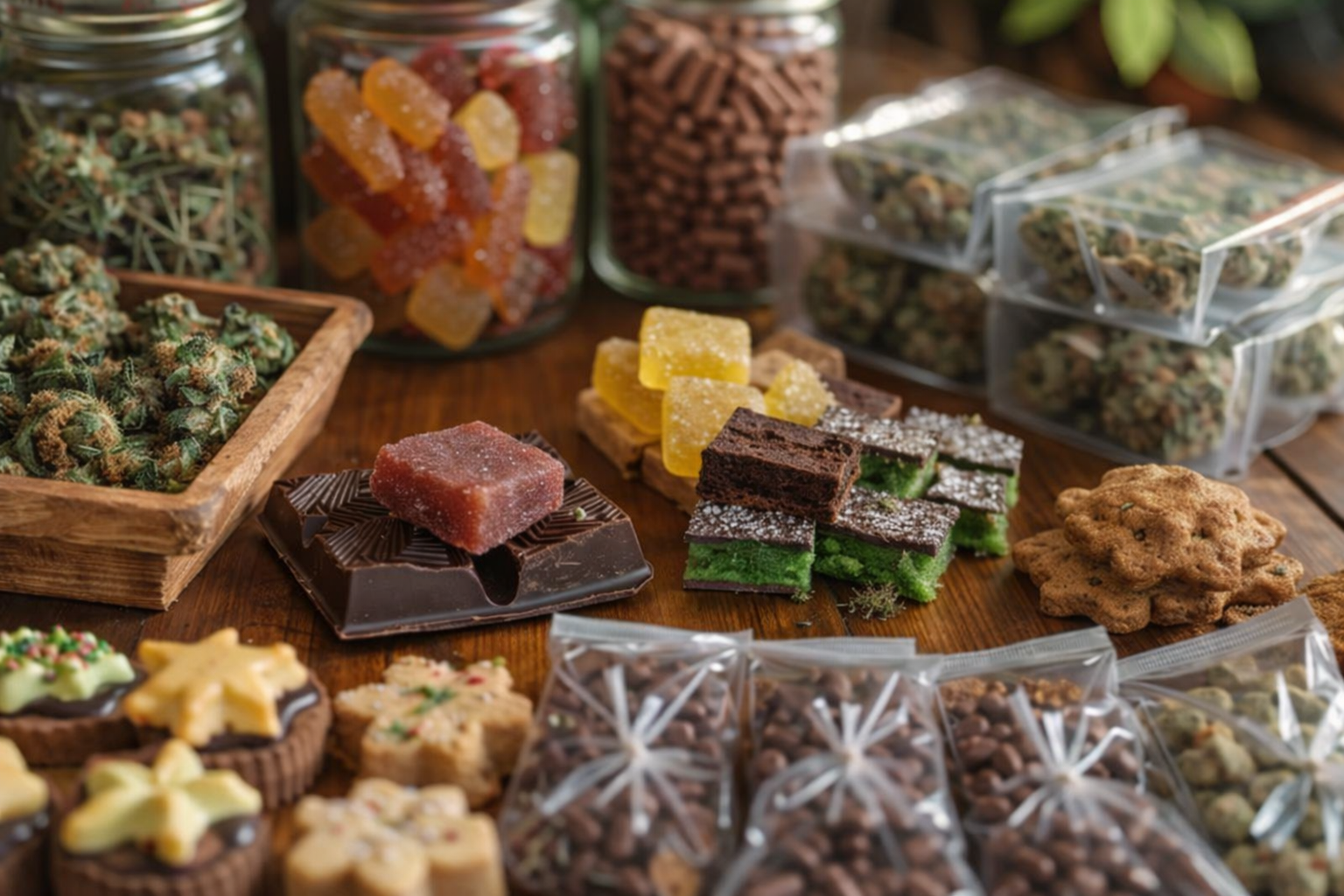
Comparing User Experience Profiles
Delta-8 THC Edibles
Delta-8 edibles are commonly associated with gentler psychoactive effects. Many consumers prefer them for situations requiring mental clarity or lower intensity.
Frequent observations include:
- Reduced anxiety compared to Delta-9
- Less cognitive fog for some users
- Moderate mood elevation
- Subtle body relaxation
These traits make Delta-8 attractive for cautious or new consumers.
Delta-9 THC Edibles
Delta-9 edibles typically produce stronger, more immersive effects. Even modest doses can deliver noticeable psych activity.
Common characteristics:
- Enhanced sensory perception
- Stronger euphoria
- Greater likelihood of impairment
- More pronounced time distortion
These effects suit experienced consumers but require careful dosing.
Practical Dosing Considerations
Evidence-Driven Guidelines for Better Predictability
Dosing remains the most critical factor for consistent outcomes. Starting low and adjusting gradually reduces unwanted experiences.
Widely accepted approaches recommend:
- Begin with the lowest effective dose
- Allow sufficient time before increasing
- Avoid mixing with alcohol
- Maintain consistent consumption conditions
Measured adjustments improve reliability over time.
Safety and Responsible Use
Minimizing Undesired Effects
Overconsumption remains the most common source of negative edible experiences. Because the onset is delayed, users may ingest more before the effects fully appear.
Helpful risk-reduction practices:
- Wait at least two hours before redosing
- Store edibles securely
- Avoid driving or operating machinery
- Monitor personal tolerance changes
Patience often prevents discomfort.
Quality Matters More Than Many Realize
Why Product Consistency Influences Results
Edible performance depends heavily on manufacturing precision. Uneven cannabinoid distribution can lead to unpredictable dosing.
At Get CannaBuzzed, high-quality products typically demonstrate:
- Accurate labeling
- Homogeneous infusion
- Verified third-party testing
- Transparent ingredient disclosure
Reliable sourcing plays a central role in repeatable experiences.
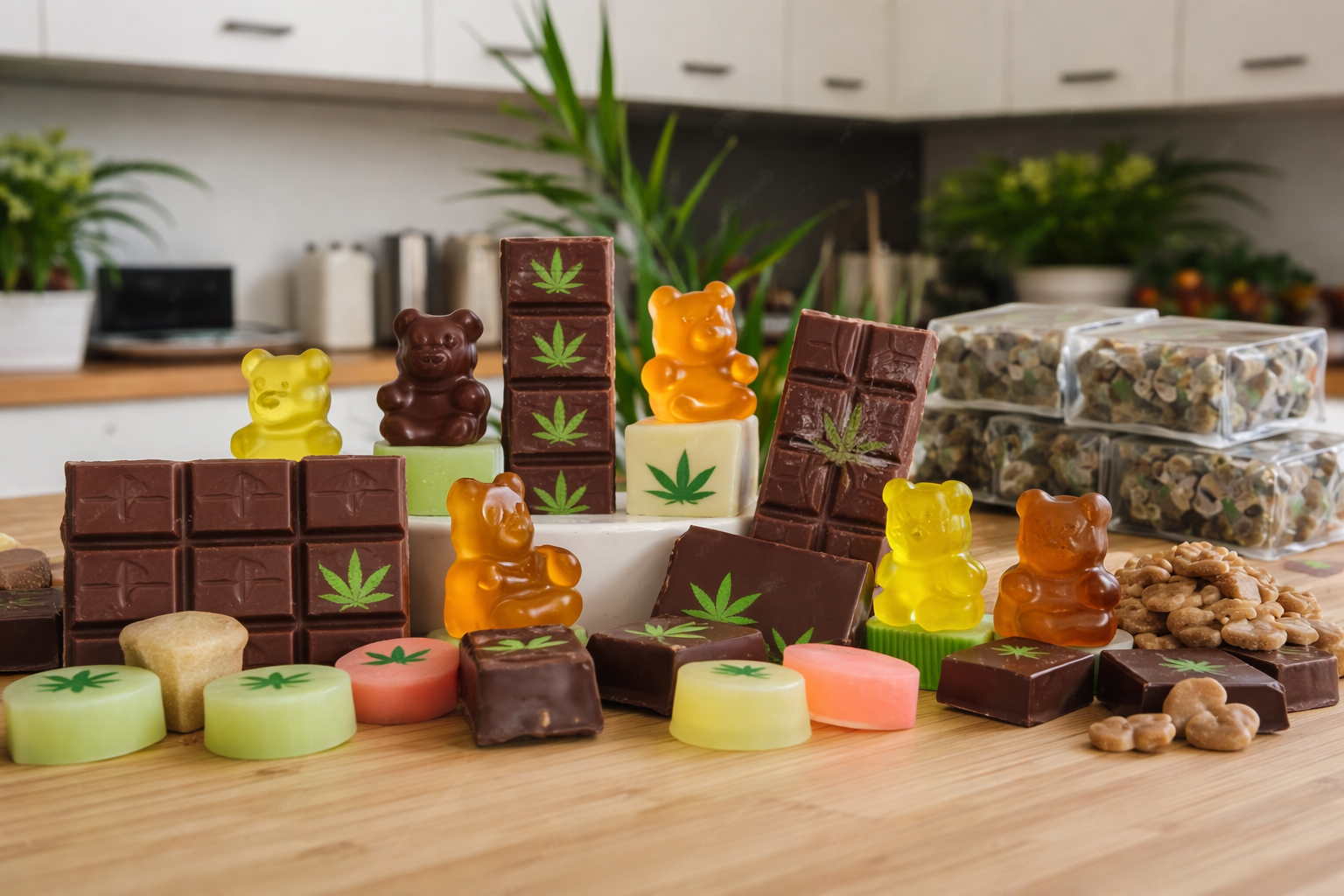
Consumer Decision Factors
Choosing Between Delta-8 and Delta-9 Edibles
Selection should align with desired intensity, tolerance, and comfort level rather than trends or assumptions.
Decision-making often revolves around:
- Sensitivity to THC effects
- Desired psychoactive strength
- Functional versus recreational goals
- Prior experience with cannabinoids
There is no universal “better” option.
Key Takeaways for Consistent Results
Understanding delta 8 vs delta 9 edibles requires moving beyond simple potency comparisons. Biological variability, dosage discipline, and product quality exert greater influence on outcomes than many consumers expect.
For those prioritizing predictable experiences:
- Start conservatively
- Track dosage and response
- Maintain consistent conditions
- Choose reputable products
Informed decisions improve both safety and satisfaction.
For deeper cannabinoid education, product guidance, and consumer-focused insights, resources like Get CannaBuzzed offer practical perspectives grounded in real-world usage patterns.
Consistency is rarely accidental. It is built through awareness, moderation, and careful selection.




























Sign in to leave a comment.