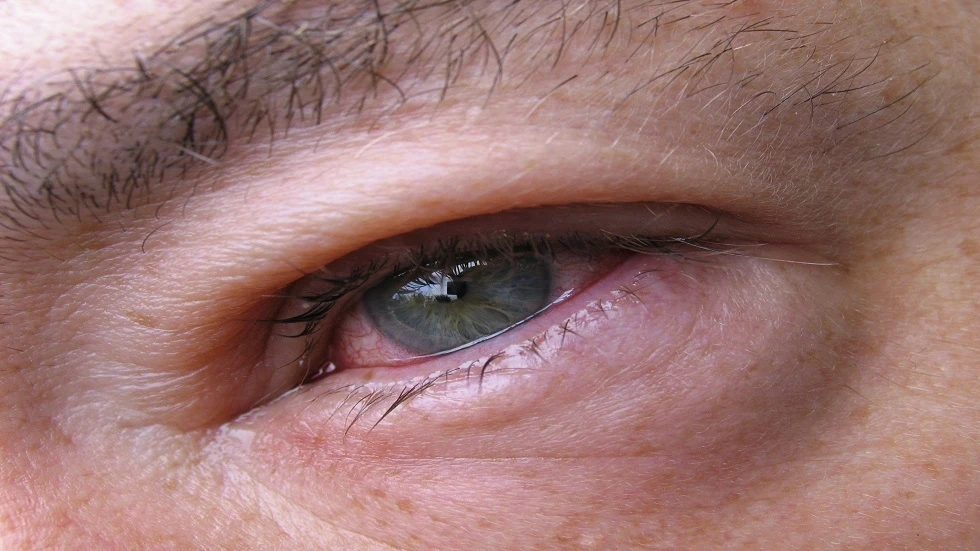

Demodex Blepharitis Disease Overview:
Demodex Blepharitis Disease is a common yet often overlooked eye condition caused by infestation of the eyelash follicles with tiny parasitic mites called Demodex. This article will explore the service architecture, symptoms, diagnostic techniques, treatment options, regulatory framework, clinical trial assessment, market trends, and provide a conclusion to shed light on this prevalent eye disorder.
The Market Competitors Listed Below are Revolutionizing Healthcare with Innovative Inventions:
Eyelid Examination-
TearScience Inc.Optovue Inc.Heidelberg Engineering Inc.Tomey CorporationKonan Medical USA Inc.Keeler Ltd.Epilation and Microscopic Examination-
Haag-Streit AGEnova IlluminationE-EyeNIDEK CO., LTD.In vivo Confocal Microscopy (IVCM)-
Heidelberg EngineeringHaag-Streit AGmOptovue Inc.Carl Zeiss Meditec AGHuvitz Co., Ltd.The Service Architecture for Demodex Blepharitis:
Demodex blepharitis primarily occurs when the Demodex mites multiply in excessive numbers on the eyelids. This infestation can lead to various ocular complications, including inflammation, redness, and discomfort. It's crucial to understand the underlying causes and the service architecture to effectively manage this condition.
Symptoms of Demodex Blepharitis:
Itchy or burning sensations in the eyes.Red, swollen, or crusty eyelids.Frequent tearing or dry eyes.Sensitivity to light.Blurred vision.Eyelash loss or misdirection.Uncomfortable foreign body sensation.Diagnostic Techniques: Demodex Blepharitis:
Accurate diagnosis is vital for the successful management of Demodex blepharitis. Several diagnostic techniques are employed, including:
Clinical Examination: Eye care professionals use a slit-lamp microscope to observe the eyelids and eyelashes for signs of Demodex infestation.Eyelash Sampling: A few eyelashes are plucked and examined under a microscope to identify the presence of Demodex mites.Scrape Cytology: A scraping of the eyelid margin is analyzed to detect mite-related inflammation.Browse More Report:
https://www.diseaselandscape.com/environmental/demodex-blepharitis
Treatment Techniques: Demodex Blepharitis:
Managing Demodex blepharitis involves eradicating mites and addressing any associated symptoms. Common treatment techniques include:
Eyelid Hygiene: Regular lid hygiene with warm compresses and gentle scrubbing can help remove mites and alleviate symptoms.Topical Medications: Eye drops or ointments containing tea tree oil or other anti-mite agents may be prescribed.Oral Medications: In severe cases, oral antibiotics or anti-parasitic medications may be necessary.Steroid Eye Drops: To reduce inflammation and symptoms.Regulatory Framework:
In the United States, the regulatory framework for treatments related to Demodex blepharitis typically falls under the Food and Drug Administration (FDA). Depending on the type of medication or treatment, it may be classified as over the counter (OTC) or prescription-only. The FDA ensures that these products are safe and effective for their intended use.
Clinical Trial Assessment:
Clinical trials play a significant role in evaluating new treatments and technologies for Demodex blepharitis. Researchers and pharmaceutical companies conduct trials to assess the safety and efficacy of innovative medications and therapies. These trials help advance our understanding of the condition and contribute to the development of more effective treatments.
Market Trends Analysis:
The market for Demodex blepharitis treatments has seen a growing interest in recent years due to an increased awareness of the condition. The market trends include:
New Product Development: Companies are continually researching and developing innovative products for the management of Demodex blepharitis, such as novel medications and devices.Rising Demand: As more people become aware of the condition, there is a growing demand for effective treatments, leading to a more significant market share.Integration of Technology: Advanced diagnostic and treatment technologies are making their way into the market, providing more efficient and convenient solutions.Conclusion:
Demodex blepharitis is a common condition that can cause discomfort and vision-related issues if left untreated. Early diagnosis and proper management are key to alleviating symptoms and preventing complications. The regulatory framework, clinical trials, and market trends suggest a positive outlook for the development of more effective treatments in the future, ultimately improving the quality of life for those affected by Demodex blepharitis. If you suspect you have this condition, it's essential to consult with an eye care professional for diagnosis and appropriate treatment.
Browse Through More Environmental Diseases Research Reports.
Related Reports:
Confronting Solid Tumors: Understanding the Challenges and Solutions
Duchenne Muscular Dystrophy: The Battle for Strength and Hope
Bleeding Disorders Unveiled: Navigating the Challenges of Hemophilia
Spinal Muscular Atrophy (SMA): Unveiling the Road to Hope and Treatment
Understanding Cystic Fibrosis: Diagnosis, Treatment, Market Trends, and Future Prospects
Contact Us:
Disease Landscape Insights LLP
6th Floor, Sr No.207, Office A H 6070 Phase 1
Solitaire Business Hub, Viman Nagar
Pune, Maharashtra, 411014.
Sales Contact: +44-2038074155
Asia Office Contact: +917447409162
Email: [email protected]
Email: [email protected]
Blog: https://www.diseaselandscape.com/blogs
Case Study: https://www.diseaselandscape.com/casestudies





























Sign in to leave a comment.