
In the bustling world of modern technology, our cities are becoming more connected than ever before. But how does this connectivity happen? Enter metropolitan area network (MANs), the digital arteries that link businesses, institutions, and communities within urban areas. In this blog, we'll unravel the mysteries of MANs, exploring what they are, why they matter, their advantages, and key characteristics, and concluding with insights into their pivotal role in shaping our digital landscape.
What is a Metropolitan Area Network (MAN)?
A Metropolitan Area Network, or MAN, is a high-speed network that spans a metropolitan area, connecting multiple locations such as office buildings, schools, hospitals, and government agencies. Essentially, it's a large-scale network infrastructure that covers a city or a town, providing seamless communication and data exchange between various entities within the urban landscape.
Why Do Metropolitan Area Networks Matter?
1. Enhanced Connectivity: MANs play a crucial role in fostering connectivity within urban areas, enabling businesses, organizations, and individuals to communicate and collaborate effectively.
2. Efficient Data Transfer: By providing high-speed data transfer capabilities, MANs facilitate the swift exchange of information, supporting activities like video conferencing, file sharing, and real-time data processing.
3. Support for Critical Services: MANs underpin essential services such as internet access, telecommunication, public safety communications, and utility management, ensuring the smooth functioning of urban infrastructure.
4. Economic Growth: A robust MAN infrastructure attracts businesses and investment to urban areas, fueling economic growth and development. It creates opportunities for innovation, entrepreneurship, and job creation within the local community.
5. Digital Inclusion: MANs contribute to bridging the digital divide by making reliable internet access and digital services more accessible to residents, businesses, and institutions across diverse socio-economic backgrounds.
Advantages of Metropolitan Area Networks:
1. High Bandwidth: MANs offer high-speed connectivity, capable of supporting large volumes of data transmission, which is essential for bandwidth-intensive applications and services.
2. Scalability: MANs are designed to scale with the growing needs of urban areas, accommodating increasing numbers of users, devices, and applications without compromising performance.
3. Reliability: With redundant infrastructure and backup systems in place, MANs ensure reliable connectivity, minimizing downtime and disruptions to critical services.
4. Flexibility: MANs support a variety of network technologies and topologies, allowing for customized solutions tailored to the specific requirements of different users and applications.
5. Cost-Effectiveness: By leveraging shared resources and infrastructure, MANs offer cost-effective connectivity solutions compared to individualized network deployments for each organization or entity.
Characteristics of Metropolitan Area Networks:
1. Geographical Scope: MANs cover a larger area than Local Area Networks (LANs) but are smaller in scale compared to Wide Area Networks (WANs), typically spanning a city or a metropolitan region.
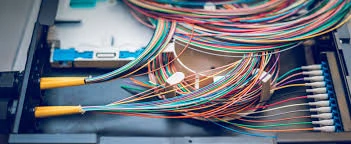
2. Diverse Connectivity: MANs integrate various networking technologies such as Ethernet, fiber optics, wireless, and microwave links to establish connections between different locations and entities.
3. Centralized Management: MANs are often managed and maintained by local authorities, telecommunications companies, or consortiums responsible for overseeing network operations, maintenance, and upgrades.
4. Security Measures: MANs implement robust security measures such as encryption, authentication, and access control to protect sensitive data and prevent unauthorized access or cyber threats.
5. Interconnectivity: MANs enable seamless interconnection with other networks, including LANs, WANs, and the Internet, facilitating global connectivity and communication.
Conclusion:
The metro area network (MANs) are the backbone of urban connectivity, empowering cities with the digital infrastructure needed to thrive in the digital age. From enabling businesses to collaborate seamlessly to providing essential services to residents, MANs play a pivotal role in shaping the socio-economic landscape of modern urban environments. With their high-speed connectivity, scalability, and reliability, MANs lay the foundation for innovation, growth, and inclusivity, driving progress and prosperity in our interconnected world. As cities continue to evolve and expand, the importance of robust MAN infrastructure will only grow, ushering in a new era of connectivity and opportunity for urban communities worldwide.





















Sign in to leave a comment.