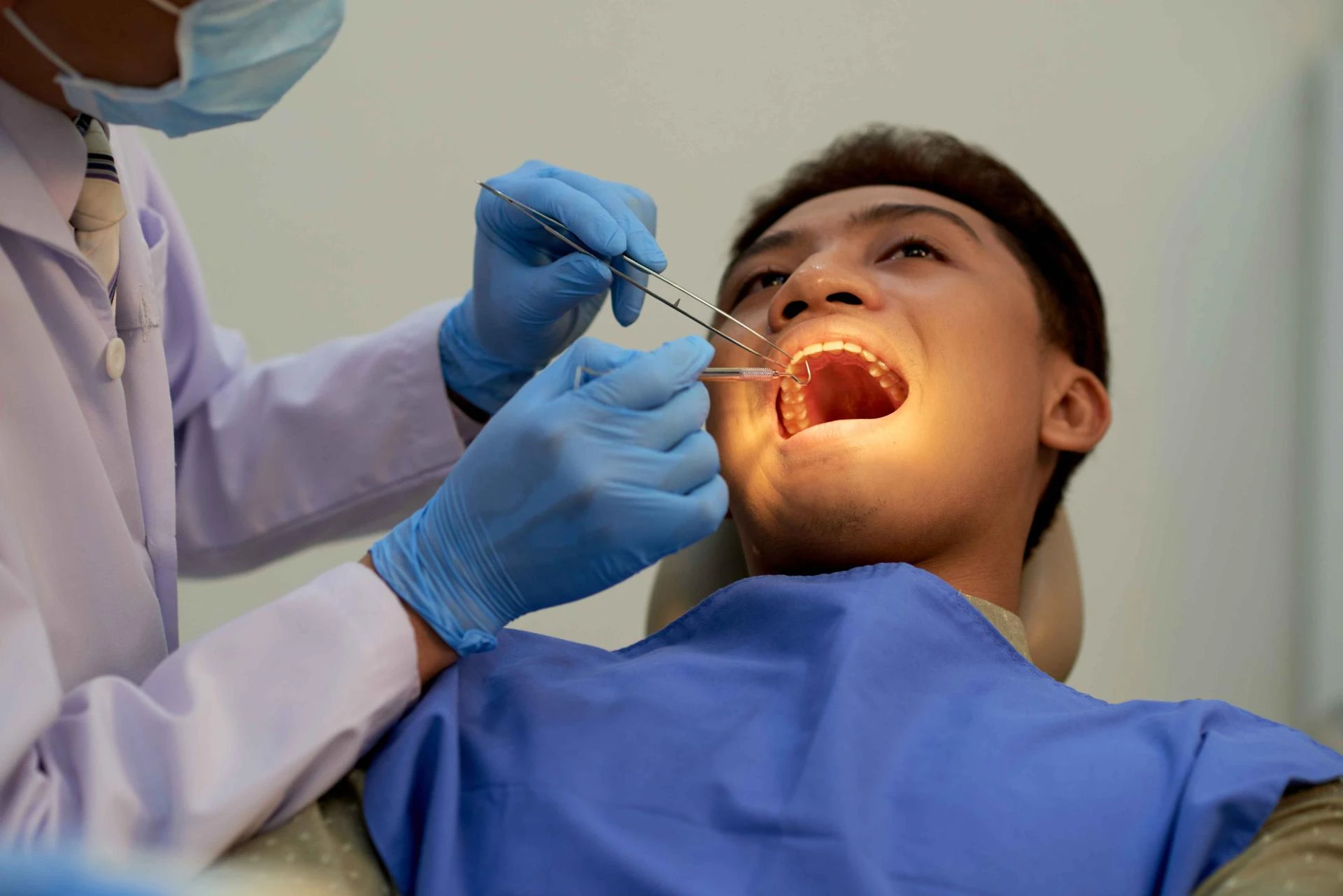
When a tooth is severely damaged due to decay, infection, or trauma, simple fillings are often not enough to restore its strength and function. In such cases, post and core dental treatment becomes a critical restorative solution. This procedure is commonly recommended after extensive tooth structure loss, especially following root canal therapy. Understanding the dental diseases and conditions that require post and core restoration can help patients make informed decisions about preserving their natural teeth instead of opting for extraction.
Severe Tooth Decay (Advanced Dental Caries)
One of the most common reasons for post and core restoration is severe tooth decay. When cavities are left untreated for a long time, they penetrate deep into the tooth, destroying a significant portion of the enamel and dentin. Once the decay reaches the pulp, root canal treatment is usually required. However, after removing the infected pulp, the remaining tooth structure may be too weak to support a crown on its own. In such cases, a post is placed inside the root canal, and a core buildup is created to rebuild the tooth, providing a stable foundation for a dental crown.
Teeth After Root Canal Infection
Teeth that have undergone root canal treatment are more fragile than healthy teeth because the pulp, which supplies nutrients and moisture, is removed. Over time, these teeth can become brittle and prone to fracture. If a large portion of the tooth was already damaged by infection or decay before the root canal, post and core restoration becomes essential. The post reinforces the tooth from within, while the core restores its shape, allowing it to function normally during chewing and biting.
Fractured or Broken Teeth
Dental trauma from accidents, falls, or sports injuries can cause teeth to crack or break severely. When the fracture extends deep into the tooth but the root remains healthy, post and core treatment can help save the tooth. This approach is often preferred over extraction, as preserving the natural tooth helps maintain proper alignment and jaw health. Post and core restoration strengthens the damaged tooth internally and prepares it to hold a crown securely.
Cracked Tooth Syndrome
Cracked tooth syndrome is a condition where small cracks develop in the tooth, often due to long-term teeth grinding, biting hard foods, or aging dental restorations. These cracks may worsen over time, leading to pain, sensitivity, and structural weakness. In advanced cases where a significant portion of the tooth structure is compromised, post and core restoration is recommended to stabilize the tooth and prevent further damage. This treatment helps distribute biting forces evenly and reduces the risk of complete tooth fracture.
Teeth with Extensive Structural Loss
Some teeth lose structure not only due to decay or trauma but also because of repeated dental procedures. Multiple fillings, large restorations, or previous crowns can weaken a tooth over time. When there is insufficient natural tooth left to support a new crown, post and core restoration is necessary. The post anchors the restoration inside the root, while the core rebuilds the missing tooth structure, ensuring long-term durability.
Teeth Affected by Deep Pulp Infections
Deep pulp infections can cause significant internal damage to a tooth. Even after successful infection control through root canal treatment, the internal structure may be compromised. Post and core restoration helps reinforce such teeth, reducing the chances of reinfection or fracture. This is particularly important for molars and premolars, which experience higher chewing pressure.
Dental Wear Due to Bruxism
Bruxism, or chronic teeth grinding, can lead to severe tooth wear over time. In extreme cases, teeth become flattened, cracked, or structurally weak. When restorative treatment involves root canal therapy followed by crown placement, post and core may be required to rebuild and support the damaged tooth. Addressing bruxism alongside restorative care is crucial for long-term success.
Why Post and Core Restoration Matters
Post and core restoration plays a vital role in modern restorative dentistry by helping preserve natural teeth that would otherwise require extraction. It restores strength, improves functionality, and prepares the tooth for a crown that looks and feels natural. Most importantly, it allows patients to maintain their natural bite and smile without resorting to more invasive solutions like dental implants or bridges.
Conclusion
Dental diseases such as severe decay, root canal infections, fractures, and structural tooth loss often require more than basic restorative treatments. Post and core restoration provides a reliable way to strengthen damaged teeth and extend their lifespan. If you are experiencing tooth pain, fractures, or have been advised to get a crown after root canal treatment, consulting a qualified dentist close to me can help determine whether post and core restoration is the right solution for your dental health.



























Sign in to leave a comment.