
A toothache is often brushed off as a minor issue—something that will go away with time or a painkiller. However, not all tooth pain is harmless. In many cases, a persistent or worsening toothache can be a warning sign of a dental infection that needs immediate attention. If you’ve ever searched for a dentist close to me due to sudden dental pain, chances are your body was signaling that something more serious was happening beneath the surface.
Dental infections can progress quickly if ignored, affecting not just your teeth but your overall health. Understanding the causes, symptoms, and risks of dental infections can help you take timely action and avoid complications.
What Is a Dental Infection?
A dental infection occurs when harmful bacteria enter the tooth or surrounding gum tissue. This usually happens through untreated cavities, cracked teeth, or gum disease. Once bacteria reach the inner pulp of the tooth—where nerves and blood vessels are located—they can multiply and form an abscess, a pocket of pus caused by infection.
Unlike mild tooth sensitivity, dental infections do not resolve on their own. Without professional treatment, the infection can spread to the jawbone, face, neck, or even the bloodstream.
Common Causes of Dental Infections
Dental infections are often the result of delayed or neglected oral care. Some of the most common causes include:
- Untreated tooth decay that allows bacteria to penetrate deep into the tooth
- Cracked or broken teeth that expose the inner pulp
- Gum disease, which creates pockets where bacteria can thrive
- Poor oral hygiene, leading to plaque and bacterial buildup
- Previous dental work complications, such as failing fillings or crowns
Regular dental checkups and timely treatment can prevent most of these issues before they escalate.
Warning Signs That a Toothache Is Serious
Not every toothache indicates an infection, but certain symptoms should never be ignored. You may be dealing with a dental infection if you experience:
- Persistent or throbbing tooth pain
- Swelling in the gums, face, or jaw
- Sensitivity to hot or cold that lingers
- Fever or general feeling of illness
- Bad taste in the mouth or foul-smelling breath
- Difficulty chewing or opening your mouth
These symptoms suggest that the infection may be spreading and requires urgent dental care.
Why Dental Infections Are Dangerous
One of the biggest risks of a dental infection is how easily it can spread. The mouth is closely connected to other parts of the body, and bacteria can travel through blood vessels and soft tissues. In severe cases, untreated dental infections can lead to:
- Jawbone damage
- Sinus infections
- Facial cellulitis (skin infection)
- Sepsis, a life-threatening bloodstream infection
This is why ignoring tooth pain or relying only on home remedies can be extremely risky.
How Dental Infections Are Treated
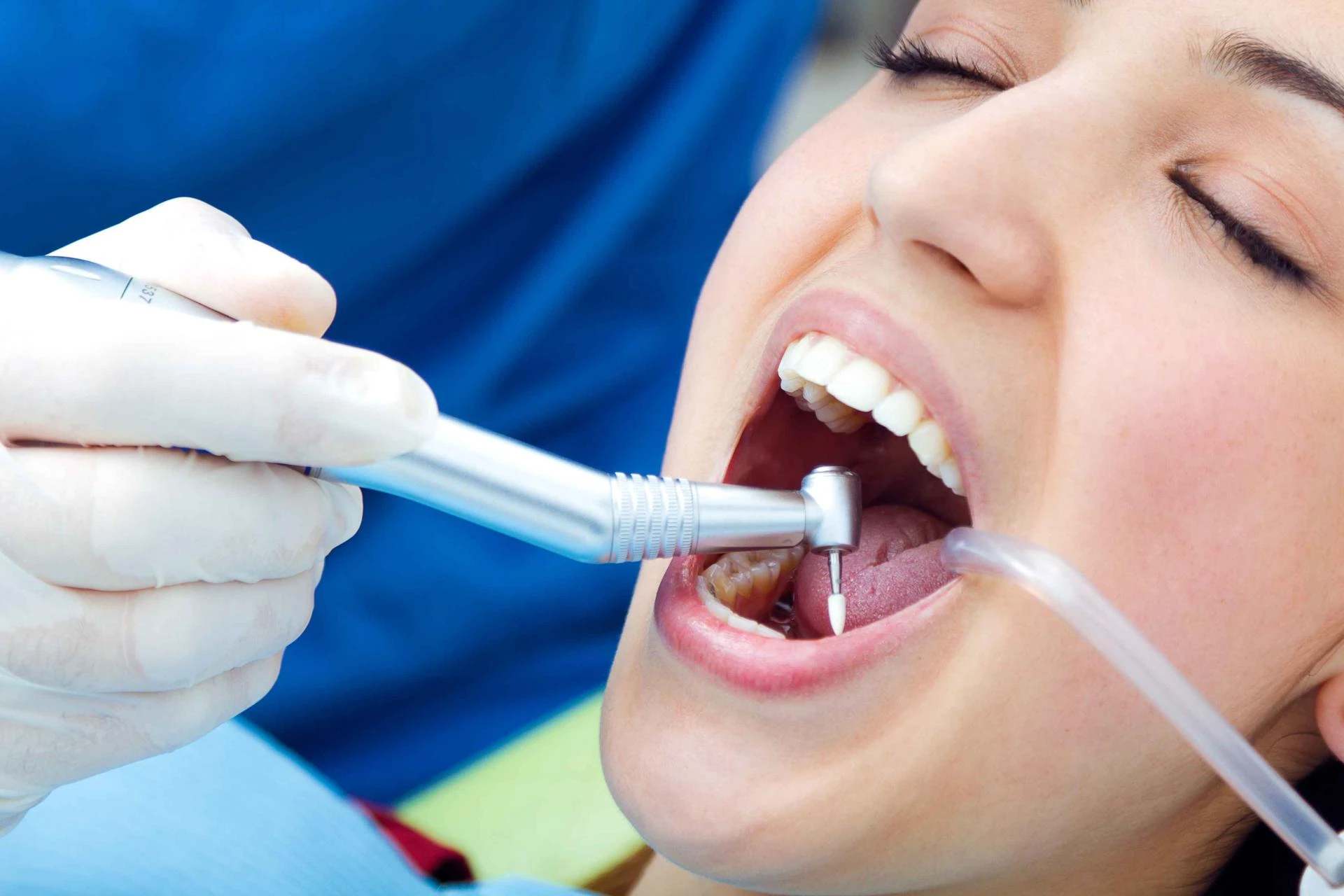
Treatment for a dental infection depends on its severity and location. A dentist will first examine the tooth and may take X-rays to assess how far the infection has spread. Common treatment options include:
- Antibiotics to control bacterial spread
- Root canal treatment to remove infected pulp and save the tooth
- Drainage of abscess to relieve pressure and pain
- Tooth extraction if the tooth cannot be saved
Early treatment not only relieves pain but also prevents the need for more invasive procedures.
Can Dental Infections Be Prevented?
The good news is that most dental infections are preventable with proper oral care and regular dental visits. Simple habits can make a significant difference:
- Brush twice daily with fluoride toothpaste
- Floss daily to remove plaque between teeth
- Avoid excessive sugary foods and drinks
- Visit your dentist regularly for cleanings and checkups
- Address cavities, gum issues, or cracked teeth promptly
Prevention is always easier, less painful, and more affordable than treating advanced infections.
When Should You See a Dentist?
If a toothache lasts more than a day, worsens over time, or is accompanied by swelling or fever, it’s time to seek professional care. Waiting too long can turn a manageable issue into a serious health concern. Searching for a reliable dentist near me at the right time can protect not only your smile but your overall well-being.
Final Thoughts
A toothache is your body’s way of asking for help. While mild discomfort may seem manageable, dental infections are not something to take lightly. Early diagnosis and treatment can stop the infection in its tracks and save you from unnecessary pain and complications. Prioritizing your oral health today can prevent serious problems tomorrow—because when it comes to dental infections, acting early truly makes all the difference.






















Sign in to leave a comment.