Post and core dental treatment is a widely used restorative procedure to rebuild teeth that have suffered extensive damage due to decay, trauma, or root canal treatment. When a tooth loses a significant portion of its natural structure, post and core dental restoration provides internal support, allowing a crown to be placed securely. While this treatment is highly effective and long-lasting, like any dental procedure, it may come with certain complications if not planned or executed properly. Understanding these potential issues and knowing how to prevent them can help ensure successful outcomes and long-term oral health.
What Is Post and Core Treatment?
Post and core treatment involves placing a dental post inside the root canal of a treated tooth and building a core structure over it. The post helps anchor the core material, which replaces missing tooth structure and supports a dental crown. This procedure is especially useful for teeth that have undergone root canal treatment and are too weak to hold a crown on their own.
Common Complications of Post and Core Treatment
1. Root Fracture
One of the most serious complications of post and core treatment is root fracture. This can occur when excessive force is applied during post placement or when an oversized or rigid post is used. Root fractures often lead to tooth loss, as they cannot always be repaired.
How to avoid it:
Dentists must carefully assess root length, thickness, and strength before selecting a post. Using flexible fiber posts instead of metal posts and avoiding excessive drilling can significantly reduce the risk.
2. Post Loosening or Dislodgement
A loose or dislodged post can compromise the stability of the crown and cause discomfort while chewing. This usually happens due to inadequate cementation, improper post length, or excessive biting forces.
How to avoid it:
Proper bonding techniques, correct post selection, and ensuring adequate post length inside the root canal are essential. Patients should also avoid chewing hard foods immediately after treatment.
3. Crown Failure
If the post and core are not properly aligned, the crown placed over them may crack, loosen, or fail prematurely. Poor fit or uneven bite forces often contribute to this problem.
How to avoid it:
Accurate impression-taking, proper bite adjustment, and high-quality crown materials help ensure long-term success. Regular follow-ups allow early detection of crown-related issues.
4. Secondary Tooth Decay
Even after post and core treatment, the remaining tooth structure can still be susceptible to decay, especially around the crown margins. Poor oral hygiene significantly increases this risk.
How to avoid it:
Maintaining good oral hygiene, brushing twice daily, flossing, and attending regular dental check-ups are essential. Dentists should ensure a tight crown seal to prevent bacterial entry.
5. Perforation of the Root Canal
Accidental perforation of the root canal wall during post space preparation is a technical complication that can weaken the tooth and affect its prognosis.
How to avoid it:
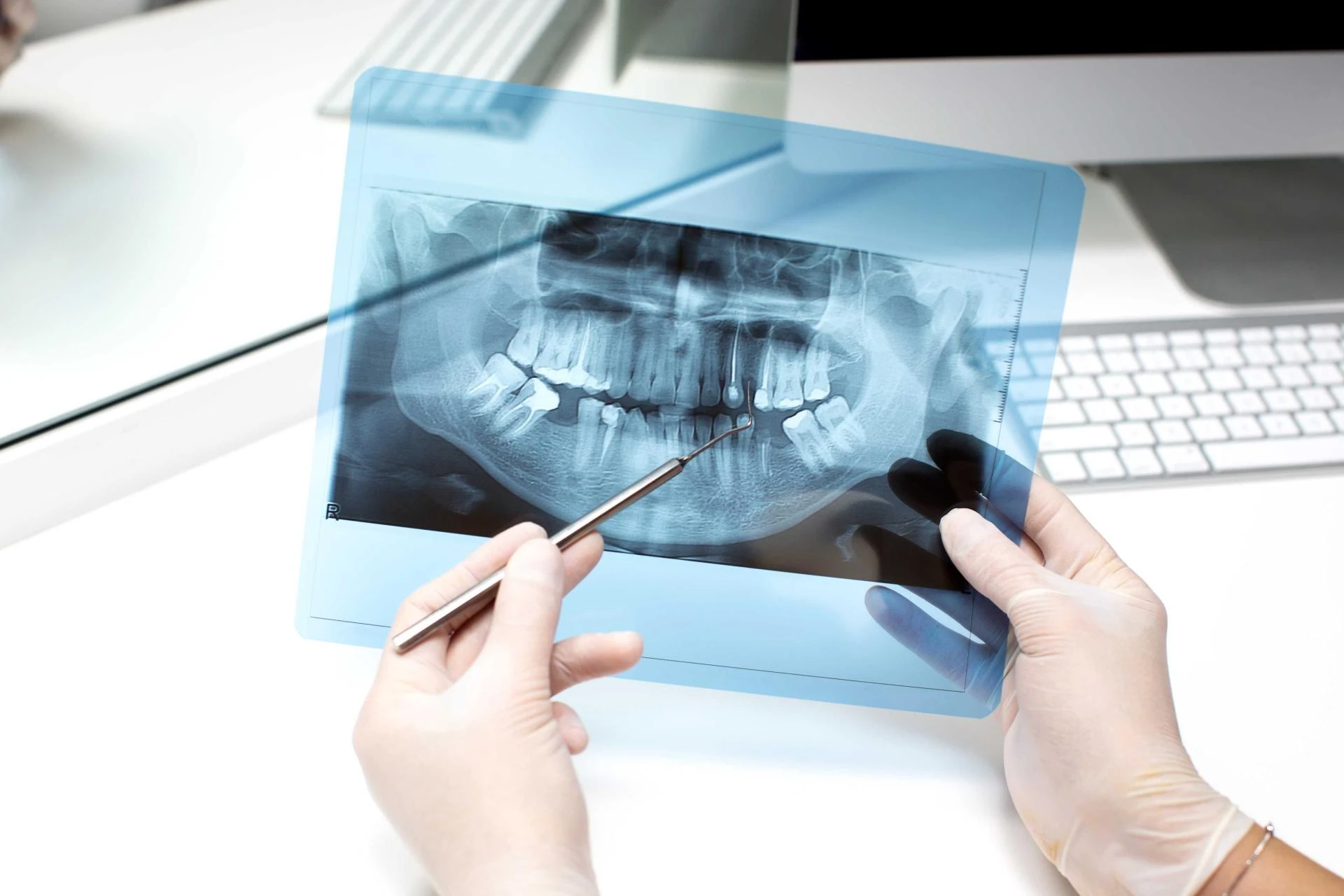
This complication can be prevented through precise imaging, careful drilling, and experienced clinical handling. Advanced diagnostic tools like digital X-rays improve accuracy during the procedure.
6. Infection or Inflammation
If bacteria enter the root canal or surrounding tissues, it can lead to infection, swelling, or pain. In some cases, retreatment or extraction may be required.
How to avoid it:
Strict sterilization protocols, proper sealing of the post, and ensuring the root canal treatment is completely successful before placing the post are critical steps.
7. Aesthetic Issues
In front teeth, metal posts can sometimes show through the crown, causing discoloration or an unnatural appearance.
How to avoid it:
Using tooth-colored fiber posts and aesthetic crown materials ensures better cosmetic results, especially for visible teeth.
Importance of Proper Case Selection
Not every tooth is suitable for post and core treatment. Teeth with very short roots, severe fractures, or advanced gum disease may not benefit from this procedure. A thorough examination and diagnostic assessment are crucial to determine whether post and core treatment is the best option or if alternative solutions like implants should be considered.
Post-Treatment Care Tips for Patients
Patients play a vital role in the success of post and core treatment. Avoid chewing extremely hard foods, do not use teeth as tools, and wear a night guard if you grind your teeth. Consistent dental visits allow early identification of minor problems before they become serious.
Conclusion
Post and core treatment is a reliable and effective way to restore severely damaged teeth, but its success depends on proper planning, skilled execution, and good patient care. By understanding common complications such as root fractures, post loosening, crown failure, and infections, patients can take proactive steps to protect their restored teeth. Choosing an experienced dental professional and following recommended oral hygiene practices greatly reduces risks. If you experience discomfort or notice changes in your restored tooth, consult a dentist close to me promptly to ensure timely care and long-lasting results.





























Sign in to leave a comment.