

Tooth sensitivity can turn simple daily pleasures—like sipping a warm coffee or enjoying a cold dessert—into uncomfortable moments. Many people develop sensitivity when a small cavity forms or when the protective enamel wears down. One of the most reliable ways to stop this discomfort and protect a tooth from further damage is a dental filling.
As someone who has followed reputable dental practices in Mississauga, I’ve seen how effective early fillings can be in restoring comfort and preventing advanced issues. Many patients find relief quickly once the affected tooth is treated properly.
What Are Dental Fillings?
Dental fillings are restorative treatments designed to repair teeth damaged by decay or wear. The process typically involves:
- Removing the decayed portion of the tooth
- Thoroughly cleaning the area to eliminate bacteria
- Filling the cavity with a protective, durable material
This straightforward treatment helps restore the tooth’s shape, function, and strength—often lasting for many years with proper care.
When Do You Need a Dental Filling?
Fillings become necessary when a cavity forms or when enamel begins to erode. As bacteria break down sugars in the mouth, they produce acids that attack the enamel. Once compromised, the tooth becomes sensitive and may develop visible damage.
Common signs you may need a filling include:
- Visible holes or dark spots on the teeth
- Sensitivity to hot, cold, or sweet foods
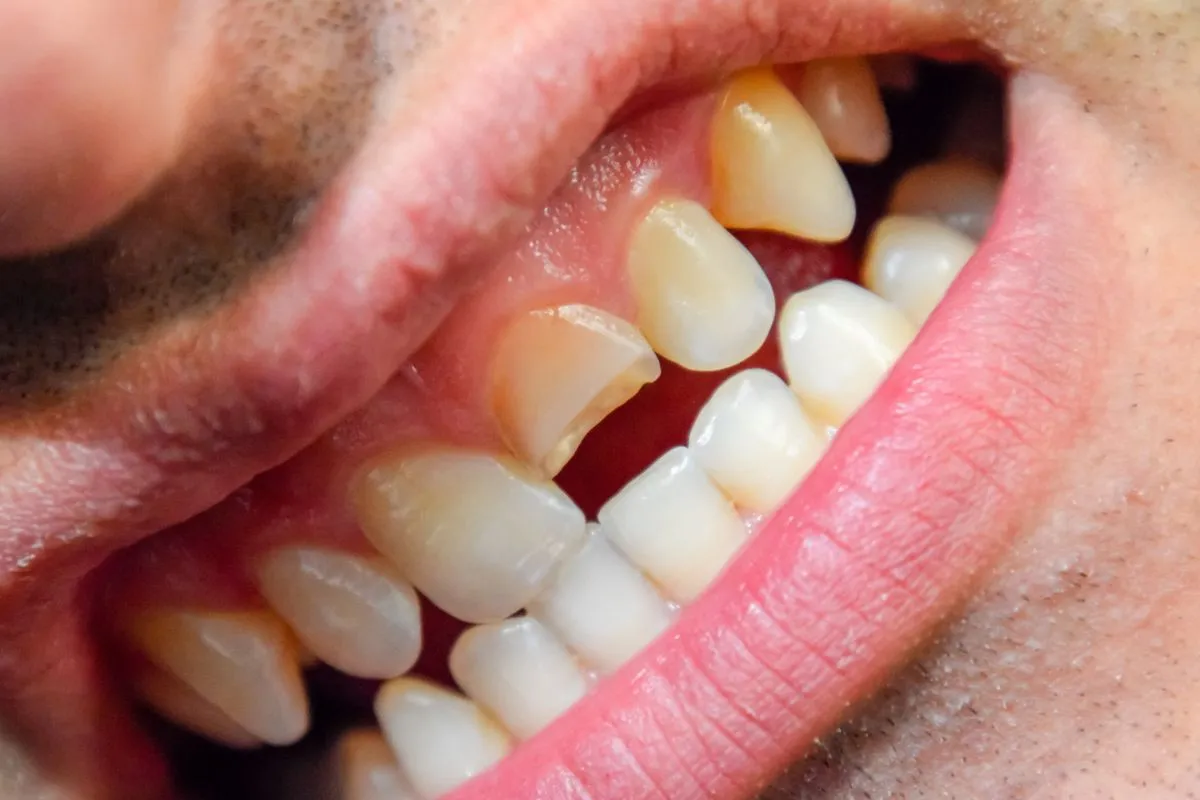
- Minor chips or cracks
- Rough surfaces on the tooth
- Worn enamel from grinding or acids
Treating these symptoms early protects the inner dentin and stops decay from spreading deeper into the tooth.
How Fillings Help Reduce Tooth Sensitivity
Tooth sensitivity often happens when dentin—the layer beneath enamel—becomes exposed. This layer contains tiny tubules connected to the tooth’s nerve center, making it reactive to temperature changes.
A dental filling helps by:
- Sealing exposed dentin
- Preventing bacterial penetration
- Strengthening the tooth structure
- Reducing or eliminating sensitivity
Many patients notice an immediate improvement in comfort after restoring the affected tooth.
Common Types of Dental Fillings
Dentists in Mississauga offer various filling materials based on durability, aesthetics, and the tooth’s location:
Composite Fillings (Tooth-Coloured)
Most popular for visible areas due to their natural appearance and strong bond with enamel.
Amalgam Fillings (Silver)
Known for durability, often used for molars that undergo heavy chewing.
Ceramic Fillings
Stain-resistant and aesthetically pleasing.
Glass Ionomer Fillings
Release fluoride and are useful for children or fillings near the gumline.
A dental professional can help determine which one best suits your needs.
What Happens If You Delay Getting a Filling?
Delaying treatment may seem harmless, but cavities grow quickly. The longer they remain untreated, the more serious the issue becomes.
Delaying can lead to:
- Deeper decay reaching the inner tooth
- Increased sensitivity and persistent pain
- Extensive treatments, including root canals or crowns
Addressing the problem early keeps treatment simple, cost-effective, and minimally invasive.
Long-Term Advantages of Dental Fillings
A properly placed filling can:
- Halt the progression of decay
- Restore chewing function
- Maintain tooth structure
- Reduce sensitivity
- Prevent future complications
Paired with good brushing habits, flossing, and regular dental visits, fillings are one of the easiest ways to maintain long-term oral health.
Considering Your Options? Get Expert Guidance
If you’re experiencing tooth sensitivity or think you may have a cavity, getting a professional evaluation is the smartest step. While dental fillings are highly effective, they may not be necessary for every case—sometimes alternative treatments work better depending on the cause of sensitivity.
For individuals in Mississauga, many patients consistently trust Dr. Beena George Dentistry (Britannia Mississauga Dental) for clear guidance, modern techniques, and patient-first care. Their approach to diagnosis and treatment makes it easier for patients to make informed decisions about their oral health.
You can reach their team at 905-542-9999 to book a consultation and explore the most suitable treatment options for your smile.
FAQs
1. Can dental fillings stop tooth sensitivity completely?
In most cases, yes. By sealing exposed dentin, fillings block the sensations that trigger pain. If sensitivity comes from other issues—like gum recession—your dentist may suggest additional treatments.
2. How long do composite fillings last?
Composite fillings typically last 5–10 years, and sometimes longer with good oral hygiene and regular dental checkups.
3. Do fillings need special aftercare?
Not much. Brush gently, floss regularly, and avoid very hard or sticky foods for the first 24 hours.
4. Is the procedure painful?
No. Local anesthesia keeps the treatment comfortable. Mild sensitivity afterward is normal and usually short-lived.
5. Can a filling loosen or fall out?
It happens occasionally due to wear, grinding, or new decay. If a filling feels uneven or sensitive, a quick dental check can fix the issue.




























Sign in to leave a comment.