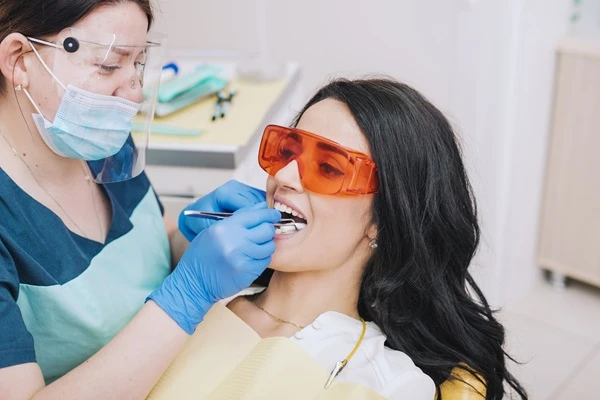

Many people with sensitive teeth assume whitening is not an option for them. The concern is understandable—sensitivity can already make daily activities like drinking cold water uncomfortable. However, with proper assessment and controlled techniques, Teeth Whitening in Mississauga can be performed safely and effectively, even for patients prone to discomfort.
The key lies in customization. Whitening is not a one-size-fits-all procedure, especially when enamel wear, gum recession, or exposed dentin are involved.
Why Teeth Become Sensitive During Whitening
To understand safe whitening, it helps to understand why sensitivity happens.
Beneath the enamel lies dentin, which contains microscopic tubules connected to nerve endings. Whitening agents—typically peroxide-based—temporarily increase fluid movement within these tubules. That movement can trigger short-term sensitivity.
Clinical research shows that higher peroxide concentrations increase the likelihood of discomfort, while lower concentrations and controlled exposure significantly reduce it.
For individuals with existing sensitivity, treatment must be tailored to protect enamel integrity while still delivering visible shade improvement.
Safe Whitening Options for Sensitive Teeth
Patients exploring Teeth Whitening in Mississauga have several clinically supported options designed specifically to minimize irritation.
1. In-Office Whitening with Protective Measures
Professional in-office whitening allows for direct supervision. Dentists apply protective barriers to shield the gums and select modified gel concentrations based on sensitivity levels.
Because the procedure is monitored, adjustments can be made immediately if discomfort occurs. This controlled environment reduces risk while delivering noticeable brightness.
2. Custom Take-Home Whitening Trays
Custom trays fabricated by a dental professional offer a gradual whitening approach. These systems often use lower concentrations of carbamide peroxide and are worn for shorter daily intervals over a period of days or weeks.
The slower pace helps minimize sensitivity while still producing measurable shade changes. Precise tray fit also prevents gel from irritating gum tissue.
3. Whitening Systems with Desensitizing Agents
Some professional whitening formulations include potassium nitrate or fluoride. These ingredients help calm nerve response and support enamel strength during treatment.
For patients with known sensitivity, these systems provide an added layer of comfort without compromising effectiveness.
4. Low-Peroxide Whitening Formulas
Lower-peroxide systems reduce irritation risk while still delivering gradual whitening results. Although the brightness may develop more slowly compared to high-concentration treatments, many patients prefer this balanced approach.
A dental evaluation helps determine which system aligns best with enamel thickness, gum health, and existing restorations.
Maintaining Results Without Triggering Sensitivity
After whitening, enamel temporarily becomes more permeable. To maintain results comfortably:
- Use toothpaste formulated for sensitive teeth
- Brush with a soft-bristle toothbrush
- Avoid extremely hot or cold foods for 24–48 hours
- Rinse after consuming staining foods and beverages
- Maintain regular professional cleanings
Gradual touch-ups are often gentler than repeating full whitening sessions.
Why Professional Whitening Is Recommended for Sensitive Teeth
Over-the-counter whitening products do not assess enamel health, gum recession, or underlying decay. Without proper evaluation, irritation risk increases.
Professional Teeth Whitening in Mississauga ensures:
- Assessment of enamel and gum condition
- Selection of appropriate gel concentration
- Monitoring during treatment
- Compatibility with fillings or crowns (which do not whiten)
Clinics such as Britannia Mississauga Dental, led by Dr. Beena George, are known for starting whitening treatment with a detailed clinical evaluation. This individualized approach helps balance effectiveness with patient comfort.
When Whitening Should Be Delayed
Whitening may need to be postponed if a patient has:
- Active gum disease
- Untreated cavities
- Cracked enamel
- Severe gum recession
Addressing these issues first improves both safety and long-term results.
A Measured Approach Makes the Difference
Teeth whitening for sensitive teeth is not about using stronger products—it is about using smarter protocols. When enamel condition, gum health, and peroxide concentration are carefully evaluated, patients can achieve noticeable brightness without unnecessary discomfort.
Those considering Teeth Whitening in Mississauga benefit most from professional assessment rather than self-directed treatment.



























Sign in to leave a comment.