

Losing a tooth — or several — is more than a cosmetic concern. It affects how you chew, how you speak, and over time, the structure of your jaw. The good news is that modern dentistry offers highly effective solutions for tooth replacement. The two most common options are dental implants and dentures, and choosing between them is a decision worth making carefully.
Both have their advantages. Both have their limitations. Understanding the differences clearly will help you have a more informed conversation with your dentist and arrive at a choice that fits your health, lifestyle, and long-term goals.
What Are Dental Implants?
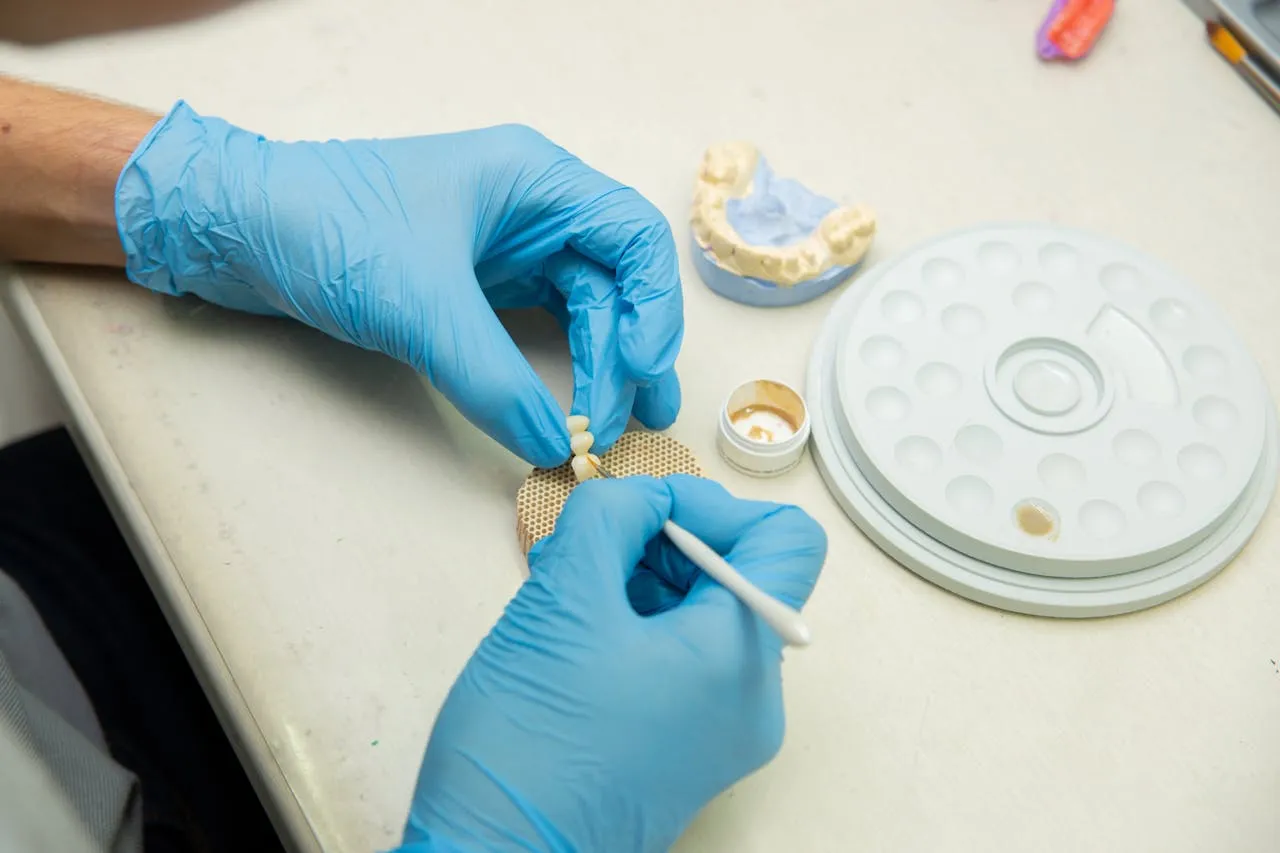
A dental implant is a titanium post surgically placed into the jawbone, designed to function as an artificial tooth root. Once the post integrates with the bone — a process that typically takes a few months — a crown is attached on top. The result is a replacement tooth that looks, feels, and functions almost identically to a natural one. Implants are permanent, do not slip, and do not require removal for cleaning. They also help preserve jawbone density, which naturally begins to deteriorate after tooth loss.
What Are Dentures?
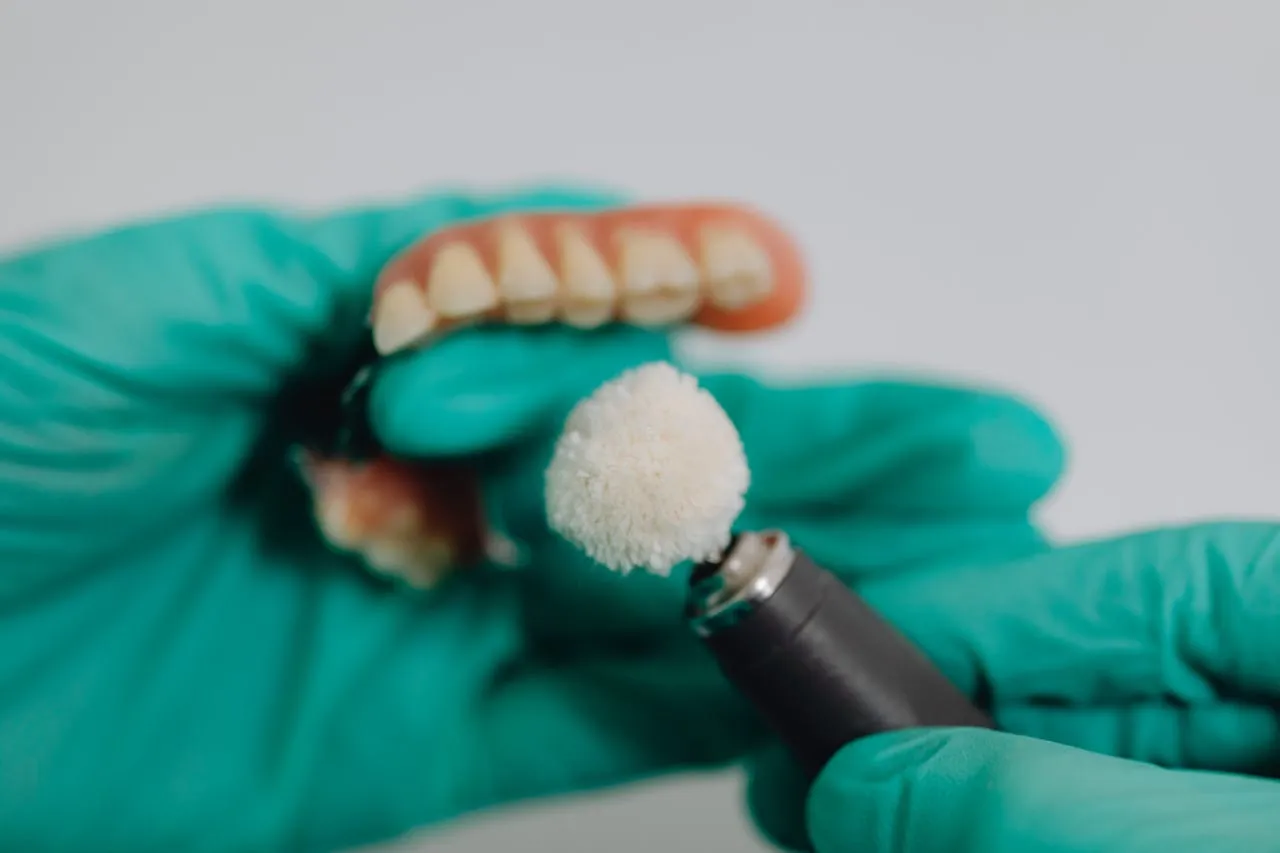
Dentures are removable appliances — either full (replacing all teeth on an arch) or partial (filling gaps between remaining natural teeth). Modern dentures are far more comfortable and natural-looking than older generations of them. They are a faster solution than implants and generally less expensive upfront. However, they require daily removal and cleaning, may shift during eating or speaking, and do not prevent the jawbone loss that follows tooth extraction.
Which Option Is Better for You?
The right choice depends on several personal factors. Implants are typically the stronger long-term investment for patients who are in good general health, have adequate jawbone density, and want a permanent, low-maintenance solution. They are particularly well-suited for replacing one or a few missing teeth.
Dentures may be the more practical choice for patients who need to replace an entire arch of teeth, have significant bone loss that makes implant placement more complex, or prefer a non-surgical option. Some patients also opt for implant-supported dentures — a hybrid approach that anchors a denture to implants for greater stability without full implant replacement of every tooth.
Many patients exploring tooth replacement also have questions about overall smile alignment. Consulting with an Invisalign Dentist Tarzana can help address crowding or spacing concerns alongside your restoration plan, particularly if surrounding teeth have shifted due to gaps.
Cost and Time Considerations
Implants cost more upfront than dentures, but their durability often makes them more economical over a lifetime. A well-placed implant can last decades with proper care. Dentures, by contrast, typically need adjustment or replacement every five to ten years as the shape of the jaw changes. Many dental offices also offer financing options that make implants more accessible than the sticker price suggests.
The timeline differs significantly too. Dentures can often be placed in a matter of weeks. Implants require several months from placement to final restoration to allow for proper healing and integration.
Bone Health: A Critical Factor
One of the strongest arguments for implants is bone preservation. The jawbone requires stimulation from tooth roots to maintain its density. When a tooth is lost and not replaced with an implant, bone resorption begins within months. Dentures sit on top of the gum and do not provide this stimulation. Over years, this can change the shape of the face and make denture fit increasingly difficult.
Taking the Next Step
If you are weighing these options, the most productive first step is a thorough consultation with a dentist experienced in both treatments. A proper evaluation — including imaging of your jaw — will clarify which option your anatomy and health history support.
































Sign in to leave a comment.