
Missing teeth rarely stay “just cosmetic” for long. A gap can change how you chew, how you speak, and how the rest of your bite fits together. Over time, nearby teeth may drift, food may pack into awkward spaces, and certain meals become a careful, one-sided exercise. For many people around Sydney, the bigger frustration is subtle: you stop smiling freely, avoid photos, or unconsciously cover your mouth when you laugh.
Implant dentistry is often discussed as the “most natural” replacement option, and for patients exploring Sydney’s trusted dental professionals, it’s a commonly recommended solution — but it’s not the right answer for everyone, and it’s rarely a single, one-visit procedure. If you’re weighing implants against bridges or dentures, the most useful starting point is understanding what each option does well, what it can’t do, and what your mouth needs before any replacement is likely to last.
Why replacing missing teeth matters
A missing tooth can set off a chain reaction:
- Chewing load shifts. You may overload the other side of your mouth, which can contribute to wear, sensitivity, or jaw discomfort.
- Teeth can move. Adjacent teeth can tip into the space and the opposing tooth can “over-erupt,” changing your bite and making cleaning harder.
- Confidence changes. Even when you adapt to eating, many people find speech and social comfort don’t fully rebound without a stable replacement.
These aren’t guaranteed outcomes — plenty of people manage for years — but they explain why dentists often recommend a plan sooner rather than later, especially when the gap is visible or affects chewing.
The main options for missing teeth
Most missing-tooth treatment plans in general practice fall into three buckets.
Removable dentures (partial or full)
Dentures can be a practical choice when multiple teeth are missing, when surgery isn’t suitable, or when you need an interim solution while other work is planned. The trade-off is that removable options can feel bulky, may shift slightly, and generally rely on the gums (and sometimes remaining teeth) for support.
Fixed bridges
A bridge can replace a tooth by anchoring to neighbouring teeth. The appeal is that it’s fixed in place and can look very natural. The main consideration is that it typically involves preparing the adjacent teeth, which may be healthy otherwise.
Dental implants
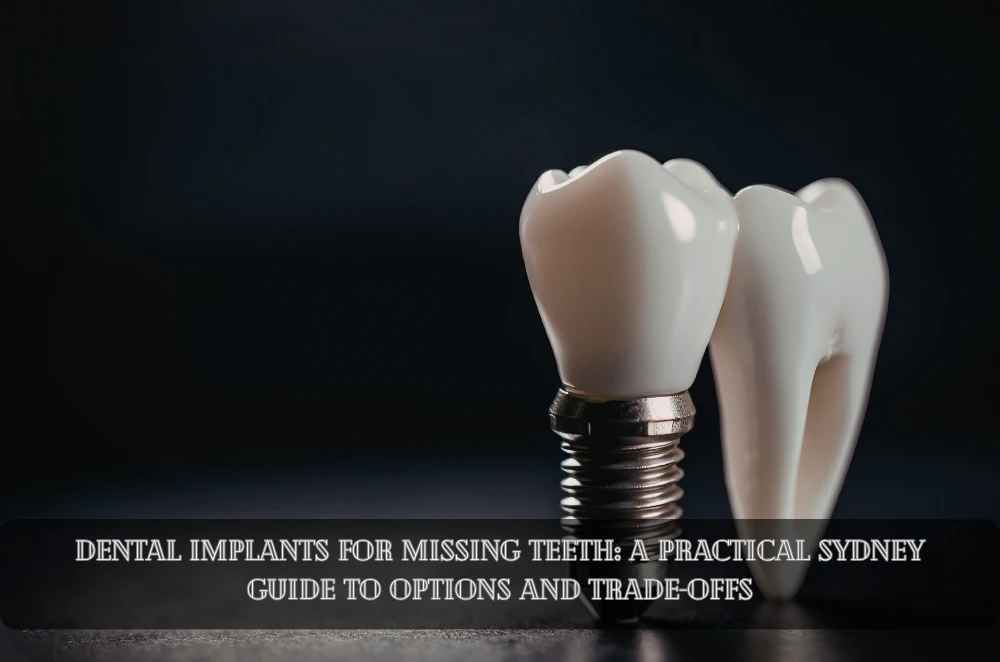
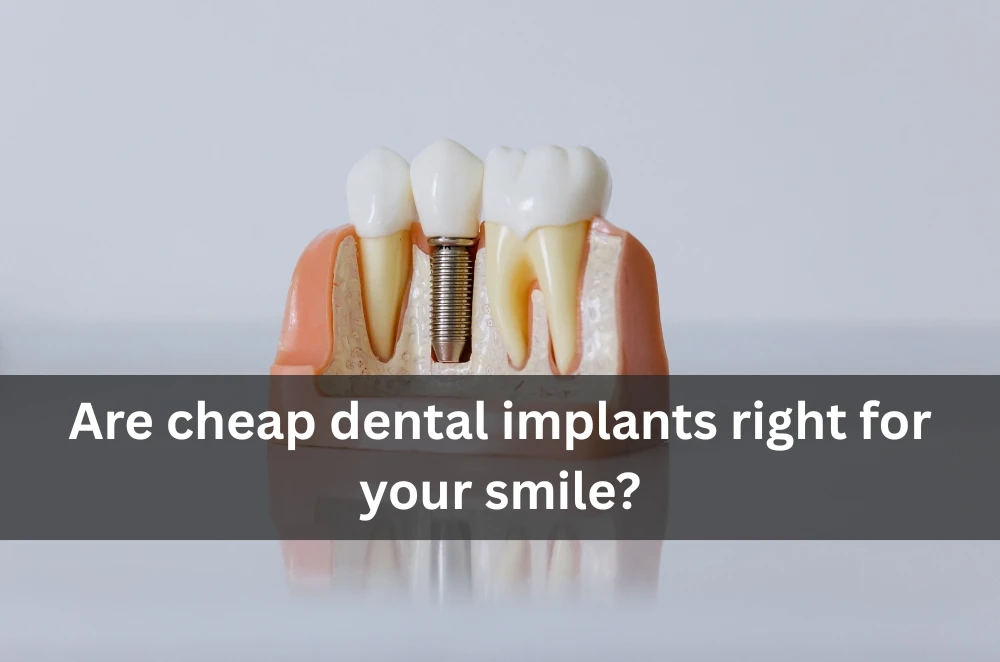
Implants replace the “root” as well as the visible tooth. A small post (commonly titanium) is placed into the jawbone, and once integrated, it supports a crown, bridge, or denture-style prosthesis. In many cases, implants can restore strong chewing function without relying on neighbouring teeth.
What an implant actually does (and why that matters)
The simplest way to think about an implant is as foundation work. A denture or bridge can replace the look of a tooth, but an implant also replaces the support that a natural root provides.
That support can matter for two reasons:
- Stability for chewing and speaking. People often describe implant teeth as “more like real teeth” because they don’t need to be removed and they don’t rock under pressure the way some removable options can.
- A more independent solution. Because the implant sits in bone, it can support a replacement tooth without leaning on adjacent teeth.
This is also why implants aren’t a universal quick fix. The foundation has to be solid — meaning the gum health, bone quality, and bite forces all need to be considered.
Who may be a good candidate — and who needs extra planning
Suitability is individual, but there are a few recurring factors that dentists look at.
Gum and bone health
Implants need healthy gums and adequate bone to support them. If you’ve had gum disease in the past, it doesn’t automatically rule implants out, but it often means you’ll need stabilisation and careful maintenance.
Medical history and lifestyle factors
Some health conditions and medications can affect healing. Smoking and vaping can also increase the risk of complications. In practice, this isn’t about judgement — it’s about tailoring expectations and reducing avoidable risks.
Bite forces and habits
If you clench or grind, your implant plan may need extra protection (for example, a night guard) and a design that distributes forces more evenly.
What the process often looks like
Implant timelines vary, but many cases follow a similar rhythm: assessment → planning → surgical placement → healing → final tooth.
1) Assessment and planning
A thorough consult typically includes examining your bite, gum health, and the space available for a replacement tooth. Imaging helps confirm bone volume and identify structures that influence safe placement.
2) Placement of the implant
The implant is placed into the jawbone. Some cases allow for immediate steps toward a temporary tooth; others need a quiet healing period first.
3) Healing and integration
Bone integrates with the implant over time. This is one reason implants can be highly stable — but it’s also why patience is part of the deal.
4) The visible restoration (crown/bridge/denture)
Once the foundation is ready, the replacement tooth is designed to match your smile and bite. Fit and bite balance matter here as much as appearance; a tooth that looks great but hits “too hard” can cause problems.
If you want a more detailed overview of how implant options are described in a Sydney-area practice setting, you can read this explainer on dental implants for replacing missing teeth.
Single tooth vs multiple teeth: why “implants” can mean different things
Implant dentistry isn’t one treatment — it’s a set of building blocks.
Single missing tooth
A single implant with a crown can be a clean solution when the neighbouring teeth are otherwise healthy. It avoids preparing adjacent teeth, which is sometimes a deciding factor.
Several missing teeth in a row
Instead of one implant per missing tooth, dentists may use two implants to support a small bridge, depending on spacing and bite forces. This can reduce surgery while still providing a fixed replacement.
Full arch replacement
For people missing most or all teeth, implants can anchor a denture-style prosthesis or a fixed arch. These plans are more complex and require careful attention to bite, hygiene access, and long-term maintenance.
Risks, trade-offs, and what “success” really depends on
Implants have a strong track record, but they’re still a medical procedure. Common risks discussed in consults include infection, healing complications, gum inflammation around implants, and — less commonly — implant failure. Many of the best risk reducers are unglamorous: good planning, controlled gum health, and consistent home care.
It’s also worth being realistic about maintenance. Implants don’t get decay the way natural teeth can, but the gums around implants still need daily cleaning and professional monitoring. If you’ve struggled to keep gums healthy in the past, that’s a reason for a more supportive maintenance plan — not a reason to avoid the conversation.
How to compare options without getting overwhelmed
If you’re deciding between dentures, bridges, and implants, a few practical questions can help:
- What’s the long-term goal — comfort, appearance, chewing power, or all of the above?
- How important is a fixed solution versus removable?
- What will happen to the neighbouring teeth with a bridge plan?
- Is there enough bone and healthy gum support for implants right now, or would preparatory treatment be needed?
- What ongoing maintenance will I realistically do?
A good treatment plan should make these trade-offs explicit, not gloss over them.
Key Takeaways
- Missing teeth can affect chewing, speech, and the stability of nearby teeth over time.
- Bridges and dentures can work well, but they rely on different types of support than implants.
- Dental implants replace the “root” support as well as the visible tooth, which can improve stability.
- Suitability depends on gum health, bone support, medical factors, and bite forces — not just the size of the gap.
- The best outcomes typically come from careful planning, realistic timelines, and consistent long-term maintenance.























Sign in to leave a comment.